Appearance
How to Make Solventless Cannabis Extracts
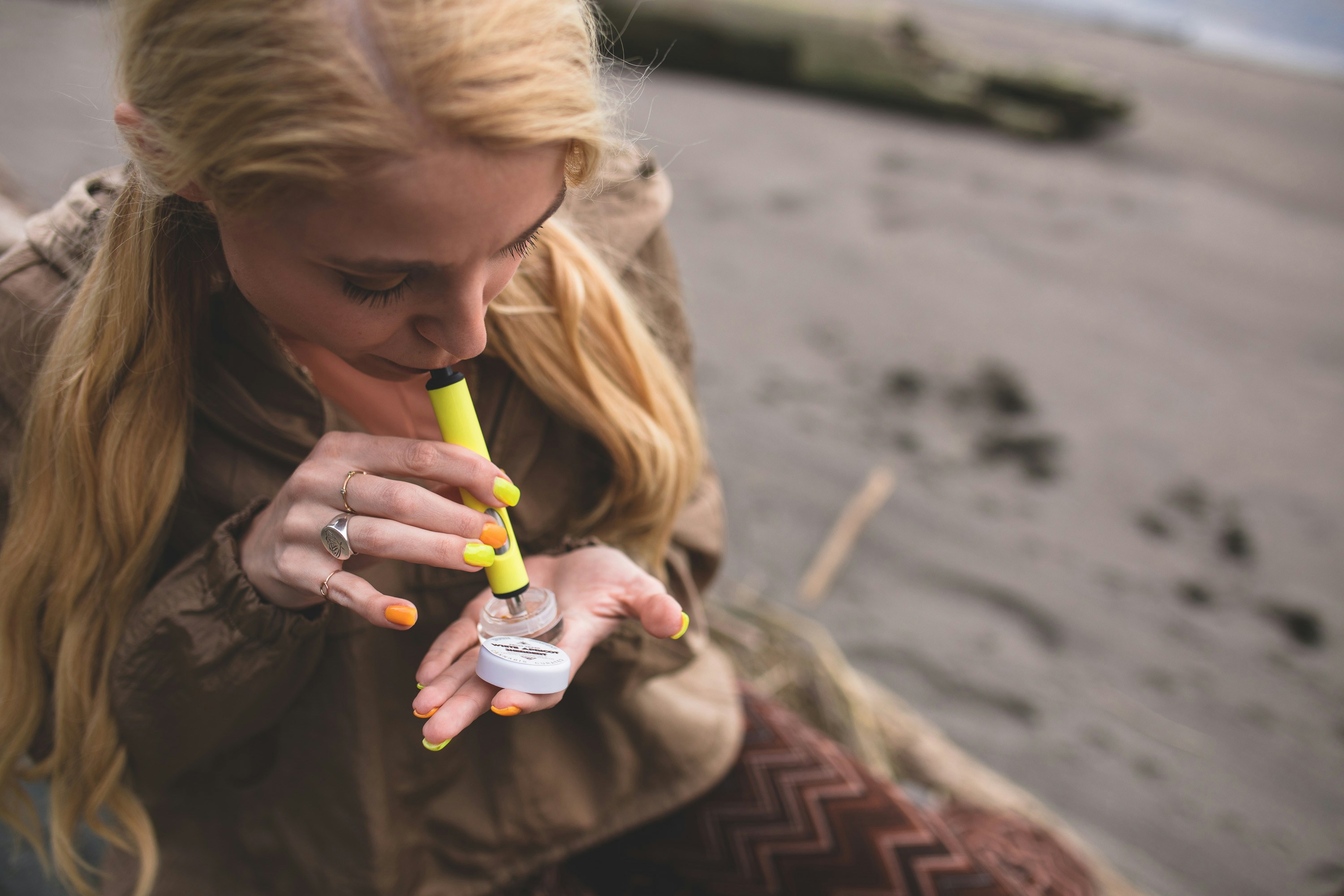
Solventless cannabis extracts appeal to home growers and concentrate-curious consumers because they skip hydrocarbon solvents and rely on mechanical separation instead. Instead of using butane, propane, or other chemical solvents, these methods use heat, pressure, agitation, ice water, screens, or a combination of those tools to separate resin-rich trichomes from cannabis flower.
That does not make every homemade extract automatically clean, tested, or lower-risk. The quality of the starting material still matters, and so do temperature, cleanliness, storage, and local laws. Solventless simply means the extraction process does not use a chemical solvent. It does not mean the final product is free of pesticides, mold, residual moisture, or unusually high THC potency.
For home purposes, the three most approachable solventless options are rosin, bubble hash, and dry sift. Each has a different learning curve, texture, and equipment list.
What “solventless” actually means
A cannabis plant’s trichomes contain many of the cannabinoids and terpenes that consumers associate with potency, aroma, and flavor. Solventless extraction focuses on separating or pressing those trichomes without dissolving them in a chemical solvent.
The simplest example is dry sift: flower is gently worked over fine screens so trichome heads fall through. Bubble hash uses cold water, ice, agitation, and filter bags to separate trichomes by size. Rosin uses heat and pressure to squeeze resin from flower, sift, or hash.
Solventless extraction is often described as a more natural approach, but a better way to frame it is more precise: it avoids solvent-based extraction. That matters because homemade solvent extraction can be dangerous and should not be attempted with flammable chemicals. Solventless methods still require care, patience, and clean handling.
The main types of solventless cannabis extracts
Rosin
Rosin is made by pressing cannabis flower, dry sift, or hash between parchment under heat and pressure. The resin that squeezes out can be collected and used as a concentrate.
Flower rosin is the easiest version to try because it starts with whole flower and does not require making hash first. Hash rosin usually produces a cleaner, more refined result, but it requires additional steps and better control over moisture, temperature, and handling.
Rosin quality depends on the starting material. Fresh, resinous flower usually presses better than old, dry flower. Too much heat can darken the rosin and flatten aroma, while too little heat or pressure can reduce yield.
Bubble hash
Bubble hash is made by agitating cannabis in ice water, then filtering the mixture through mesh bags. The cold temperature helps trichomes become brittle and separate from the plant material. Different micron bags collect different grades of hash.
This method can produce excellent material, but it is more involved than a quick press. The biggest home challenge is drying. Hash that stays damp can develop mold, so careful drying is not optional. Small batches, clean tools, and patience make bubble hash more manageable for beginners.
Dry sift
Dry sift is the most basic solventless method. Cannabis flower is gently moved across one or more screens so loose trichomes fall through. The collected kief can be used as-is, sprinkled onto flower, pressed into hash, or used as starting material for rosin.
Dry sift is simple, but it is easy to overwork the flower. Too much pressure or agitation pushes plant material through the screen, which can make the sift greener, harsher, and less refined.
How to make rosin at home
Rosin is the most practical entry point for many people because it can be made in small batches with limited equipment. A dedicated rosin press gives more control, but some beginners experiment with a hair straightener. If you do, use caution: improvised tools can apply uneven heat, create burn hazards, and produce inconsistent results.
Start with dry, cured cannabis flower that has been stored well. Flower that is extremely dry may absorb rosin instead of releasing it cleanly, while flower that is too moist can steam and affect texture.
A basic flower rosin process looks like this:
- Break the flower into small pieces without grinding it into powder.
- Place the flower in folded parchment paper. Use parchment made for heat, not wax paper.
- Press with controlled heat and firm pressure. Many home rosin makers work somewhere around 180–220°F, adjusting based on the flower and desired texture.
- Press briefly rather than cooking the material for a long time. Overheating can reduce aroma and darken the result.
- Let the parchment cool slightly, then collect the rosin with a clean tool.
- Store the rosin in a small, clean, airtight container away from heat and light.
Lower temperatures often preserve more aroma but may reduce yield. Higher temperatures may produce more rosin faster, but the result can be darker and less terpene-forward. There is no universal perfect setting because cannabis moisture, trichome maturity, flower structure, and press pressure all matter.
How to make bubble hash at home
Bubble hash requires more setup than rosin, but the concept is straightforward: keep everything cold, separate trichomes gently, then dry the collected hash thoroughly.
You will typically need ice, cold water, clean buckets, bubble bags in several micron sizes, a stirring tool, and a drying surface. The cannabis can be flower or trim, but quality still matters. Low-quality starting material rarely turns into high-quality hash.
A basic process is:
- Chill the cannabis, water, and tools before starting.
- Layer bubble bags in a clean bucket, usually from smallest micron bag at the bottom to larger micron bags above.
- Add cannabis, ice, and cold water.
- Agitate gently. The goal is to separate trichomes, not shred plant material.
- Drain through the bags and collect the resin from each screen.
- Repeat short washes if desired, keeping the material cold.
- Dry the collected hash carefully before storage.
Drying is the step beginners are most likely to underestimate. Wet hash can trap moisture, and trapped moisture can lead to mold. Spread collected hash thinly, keep the drying environment clean, and do not rush storage. Hash should be fully dry before it goes into an airtight container.
How to make dry sift kief
Dry sift is the lowest-tech option. It works best with dry, well-cured flower or trim and a clean screen. Some people use a single screen, while others use multiple screens to separate finer material from plant debris.
The key is gentle movement. Lightly rub or shake the cannabis across the screen and stop before the material becomes too broken down. The first pass is often the cleanest. Later passes may increase yield but usually bring more plant material with them.
Dry sift can be stored as kief, pressed into hash, or used as rosin starting material. Keep it away from heat, humidity, and light to help preserve texture and aroma.
Safety and quality tips before you start
The main safety advantage of solventless extraction is that it avoids flammable solvents. Still, home extraction has real risks.
Do not use butane, propane, alcohol, or other flammable solvents for homemade extraction. Those processes require specialized equipment, ventilation, and compliance controls that are not realistic for a typical kitchen or home workspace.
Keep tools clean and dry. Any plant material used for extraction should be free from visible mold and stored properly before processing. Solventless extraction can concentrate desirable compounds, but it can also concentrate problems from contaminated starting material.
Potency is another important consideration. Concentrates can be much stronger than flower, and homemade extracts usually do not come with a certificate of analysis. Without lab testing, you will not know the exact cannabinoid content, terpene profile, or contaminant status.
Store finished extracts in clearly labeled, child-resistant containers. Keep them locked away from children, pets, and anyone who could mistake them for food or another household item.
Which method should beginners choose?
Rosin is usually the best place to start if you want a small, fast experiment and have access to decent flower. It gives immediate feedback and does not require drying wet hash.
Dry sift is the simplest if you want minimal equipment and do not mind a less refined result. It is also useful if you have trim from home cultivation and want to collect kief instead of wasting resin-rich material.
Bubble hash is best if you want a more hands-on project and are willing to take drying seriously. It can produce beautiful solventless material, but it rewards patience and clean technique.
Practical takeaways
Solventless cannabis extracts are made through physical separation rather than chemical solvent extraction. Rosin uses heat and pressure, bubble hash uses ice water and filtration, and dry sift uses screens to collect trichomes.
For beginners, rosin and dry sift are usually more approachable than bubble hash. Bubble hash can be rewarding, but drying and moisture control matter.
The biggest editorial correction is simple: solventless does not mean risk-free. It means no extraction solvent was used. Clean starting material, careful storage, responsible consumption, and secure labeling still matter.
Frequently asked questions
Q: Is rosin stronger than traditional hash?
A: It can be, but potency depends on the starting material, extraction method, and final product. Without lab testing, homemade rosin potency is an estimate, not a confirmed number.
Q: Can I make bubble hash without bubble bags?
A: You can separate some trichomes with improvised tools, but bubble bags make the process cleaner and more consistent because they filter material by micron size.
Q: Is solventless extraction safer than making butane hash oil at home?
A: Solventless methods avoid the major fire and explosion risks associated with flammable solvent extraction. They still require safe handling, clean tools, and careful storage.
Q: Does solventless mean chemical-free?
A: No. Solventless means the extraction process did not use a chemical solvent. It does not prove that the starting flower was free from pesticides, mold, heavy metals, or other contaminants.
Q: How should homemade extracts be stored?
A: Store them in a clean, airtight, clearly labeled container away from heat, light, children, and pets. Refrigeration may help preserve texture for some extracts, but the container should be sealed to limit moisture exposure.
Sources
- CDC, “Cannabis Frequently Asked Questions”
- CDC, “Cannabis Health Effects”
- FDA, “FDA Warns Consumers About the Accidental Ingestion by Children of Food Products Containing THC”
- NCCIH, “Cannabis and Cannabinoids: What You Need To Know”