Appearance
The Entourage Effect Explained
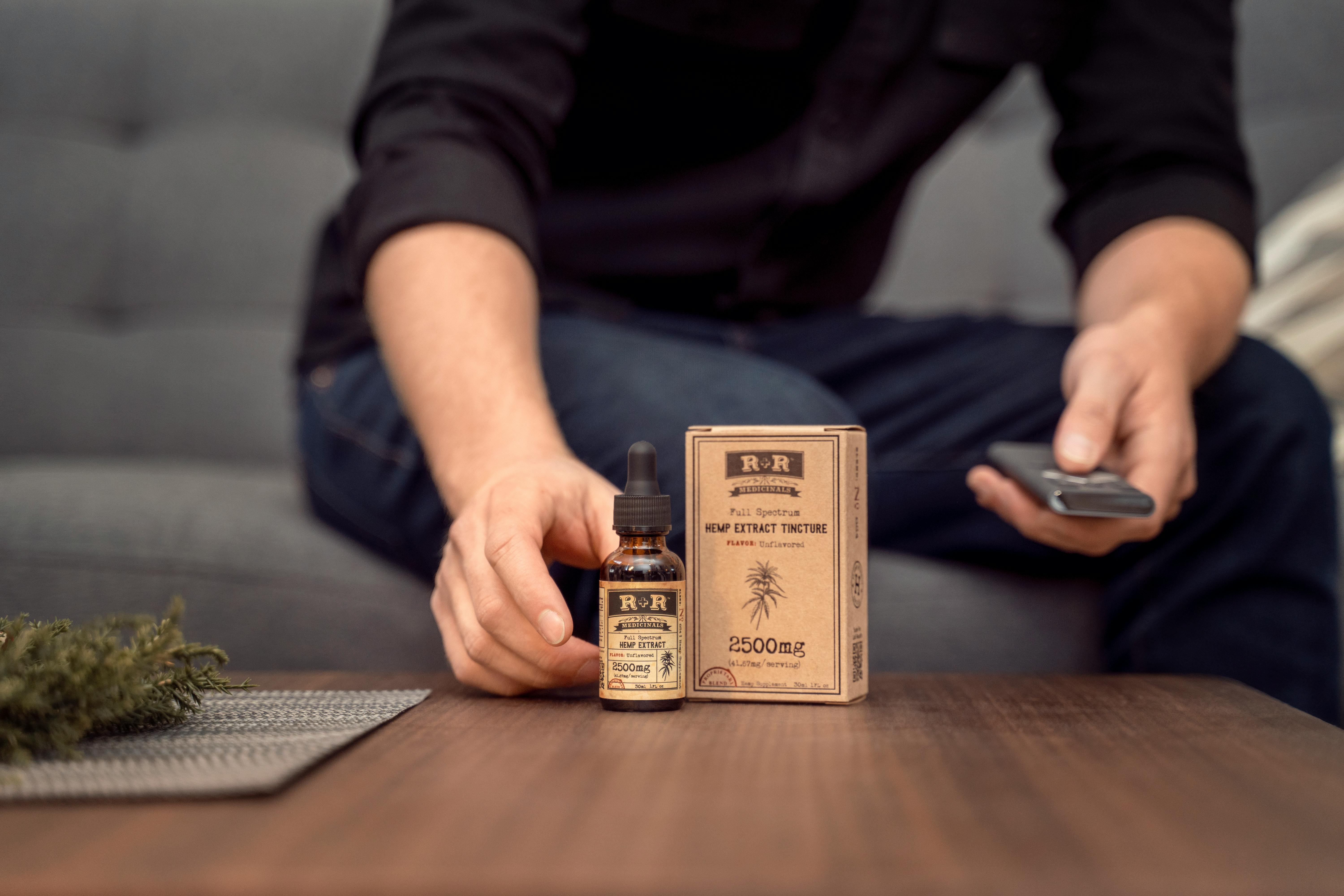
The entourage effect is one of the most common ideas in cannabis science, but it is also one of the easiest to oversimplify. The basic claim is that cannabis compounds may work differently together than they do alone. In other words, THC, CBD, minor cannabinoids, terpenes, flavonoids, and other plant compounds may shape the overall experience as a group.
That does not mean every full-spectrum product is automatically better, stronger, or more therapeutic. It also does not mean terpenes can predict effects with perfect accuracy. The better way to understand the entourage effect is as a working theory: cannabis is chemically complex, and the balance of compounds in a product may influence how it feels, how intense it is, and how well it fits a person’s goals.
For consumers, the practical question is not whether the entourage effect is “real” in a simple yes-or-no way. It is how much the product’s full chemical profile matters when choosing flower, extracts, edibles, tinctures, or other cannabis products.
What is the entourage effect?
The entourage effect refers to the idea that compounds in cannabis may interact in ways that change the plant’s overall effects. THC may be the best-known intoxicating cannabinoid, and CBD may be the best-known non-intoxicating cannabinoid, but cannabis contains many other active and aromatic compounds.
Cannabinoids interact with the body’s endocannabinoid system, a signaling network involved in many normal functions. Terpenes contribute aroma and flavor, and they may also play a role in how cannabis feels, although the strength and consistency of those effects are still being studied. Flavonoids and other plant compounds add another layer of chemical complexity.
A helpful comparison is coffee. Caffeine is the headline compound, but coffee’s aroma, acidity, roast level, and other chemistry all affect the final experience. Cannabis works differently, but the same general idea applies: one compound does not tell the whole story.
The entourage effect is often used to explain why two products with similar THC percentages can feel different. One cultivar may feel brighter or more mentally active to a consumer, while another may feel heavier or more body-centered. THC potency can matter, but it is not the only variable.
THC and CBD: the best-known cannabinoid pairing
THC and CBD are often discussed together because they can interact in meaningful ways. THC is responsible for many of cannabis’s intoxicating effects. CBD does not produce THC-like intoxication, but it can influence how cannabinoids are processed and experienced.
A common claim is that CBD always reduces THC-related anxiety. The reality is more complicated. Some research suggests CBD may reduce certain unwanted THC effects under some conditions, but other evidence shows that when THC and CBD are taken orally together, CBD may increase THC exposure by affecting metabolism. That means a THC-and-CBD edible may feel stronger for some people than THC alone at the same THC amount.
This is why ratio products can be useful but should not be treated as predictable formulas. A 1:1 THC-to-CBD product, for example, may feel more balanced to one person and unexpectedly strong to another, especially in edible form. Product type, serving size, tolerance, metabolism, and timing all matter.
For readers comparing products, the main takeaway is simple: CBD can change a THC experience, but it does not guarantee a gentler one in every setting.
What about CBG, CBN, and other minor cannabinoids?
Minor cannabinoids are another reason the entourage effect interests researchers and consumers. CBG, CBN, CBC, THCV, and other cannabinoids appear in smaller amounts than THC or CBD in many cannabis products, though some extracts are formulated to highlight them.
The original version of this article described CBD and CBG as enhancing anti-inflammatory and neuroprotective effects, and THC with CBN as ideal for sleep aids. Those claims need more careful framing. Early research is exploring minor cannabinoids for a range of possible effects, but consumer products often move faster than the evidence.
CBN, for example, is frequently marketed for sleep. Some consumers report that CBN-heavy products feel relaxing or sedating, especially when paired with THC, but strong clinical evidence is still limited. The sleepy reputation may also come from the fact that CBN can appear as THC ages and oxidizes, and older cannabis products may contain a different mix of compounds overall.
CBG is often described as “the mother cannabinoid” because its acidic precursor is involved in the plant’s production of other cannabinoids. That nickname is useful as a plant-science shortcut, not proof that CBG products deliver specific health outcomes.
How terpenes may shape the cannabis experience
Terpenes are aromatic compounds found in cannabis and many other plants. They help create the scent of citrus peel, pine needles, lavender, mango, pepper, and other familiar aromas. In cannabis, terpenes help explain why one flower smells sharp and bright while another smells earthy, floral, or fuel-like.
The role of terpenes in the entourage effect is still being studied. Some lab and animal research suggests terpenes may interact with cannabinoid pathways or other biological systems, but that does not always translate neatly into predictable consumer effects. A terpene listed on a label is not a guarantee of a specific mood, medical outcome, or level of intoxication.
Still, terpene profiles can be useful for comparison. Myrcene is often associated with earthy aromas and heavier consumer-reported effects. Limonene is associated with citrus aromas and is commonly described as bright or uplifting. Pinene contributes pine-like aromas and is often discussed in relation to alertness, though product-level effects are not guaranteed.
Instead of treating terpenes as a promise, use them as clues. If a product with a certain terpene profile consistently works well for you, that pattern may be more useful than choosing by THC percentage alone.
Full-spectrum, broad-spectrum, and isolate products
The entourage effect is one reason many people compare full-spectrum products with isolates. A full-spectrum cannabis extract generally preserves a wider range of cannabinoids, terpenes, and other plant compounds. A broad-spectrum product usually contains multiple cannabis compounds but is formulated to exclude THC or keep it below a stated threshold. An isolate is a purified single compound, such as CBD isolate.
Full-spectrum products may offer a more complete plant profile, but that does not automatically make them better for every consumer. Someone who wants to avoid intoxication, needs to manage workplace drug testing risk, or is sensitive to THC may prefer an isolate or a carefully labeled broad-spectrum product. Someone seeking a product closer to the original plant profile may prefer full-spectrum options.
The strongest choice depends on the goal. For flavor and cultivar expression, full-spectrum extracts or flower may be appealing. For consistency and simplicity, isolates can be useful. For people trying to avoid THC, product labels and certificates of analysis matter more than marketing terms.
Why THC percentage does not tell the whole story
Many shoppers still choose cannabis products by THC percentage first. Potency is important, especially for people who are sensitive to intoxication, but it is a limited measurement. Two products with the same THC percentage can differ in terpene profile, minor cannabinoid content, freshness, moisture, extraction method, and serving format.
This is where the entourage effect becomes practical. Instead of asking only, “How much THC does this have?” consider asking:
- What cannabinoids are listed besides THC?
- Does the product include CBD, CBG, CBN, or other minor cannabinoids?
- What are the dominant terpenes?
- Is the product full-spectrum, broad-spectrum, or isolate-based?
- Is there a current certificate of analysis?
- Have you tried a similar profile before, and how did it feel?
Those questions do not make cannabis effects perfectly predictable, but they give you a better framework than potency alone.
Common misconceptions about the entourage effect
One misconception is that full-spectrum always means stronger. A full-spectrum product may feel more complex, but strength depends on potency, serving size, route of consumption, individual tolerance, and other factors.
Another misconception is that terpenes work like simple mood switches. Limonene does not guarantee energy, myrcene does not guarantee sleep, and pinene does not guarantee focus. Terpenes can be part of the product profile, but they are not one-word effect labels.
It is also easy to assume that “natural plant complexity” means lower risk. Cannabis products can still produce unwanted effects, including anxiety, dizziness, impaired coordination, or uncomfortable intoxication. Full-spectrum products that contain THC can still impair driving and decision-making.
The most accurate view is balanced: the entourage effect is a useful concept, but it should be handled as an evolving area of research rather than a finished rulebook.
Practical takeaways
The entourage effect helps explain why cannabis is more than THC percentage. Cannabinoids, terpenes, flavonoids, product format, and individual biology can all shape the final experience.
For consumers, the best use of the concept is comparison. Track which product profiles work well for you, not just which potency levels. Pay attention to THC-to-CBD ratio, dominant terpenes, minor cannabinoids, and whether the product is full-spectrum or isolate-based.
For health-related goals, talk with a qualified clinician, especially if you take prescription medications, have a mental health condition, are pregnant, or are trying to avoid THC exposure. Cannabis research is growing, but many claims around specific cannabinoid and terpene combinations still need stronger evidence.
The entourage effect is not a magic guarantee. It is a reminder that cannabis is a whole plant with many moving parts, and those parts may matter more together than they do alone.
Frequently asked questions
Q: Is the entourage effect proven?
A: Research supports the idea that cannabis compounds can interact, but many specific claims about exact cannabinoid and terpene combinations are still being studied. It is better described as an evolving scientific theory than a settled consumer rule.
Q: Does CBD always reduce THC’s intensity?
A: Not always. CBD may change how THC feels, but the result depends on the product, route of consumption, amount consumed, and individual biology. In some oral products, CBD may increase THC exposure.
Q: Are full-spectrum cannabis products better than isolates?
A: Not for everyone. Full-spectrum products may offer a broader plant profile, while isolates may be useful for people who want a single compound or need more control over THC exposure.
Q: Can terpenes tell me exactly how a product will feel?
A: No. Terpenes can offer clues about aroma and possible consumer-reported effects, but they do not guarantee a specific experience.
Sources
- NCCIH, “Cannabis (Marijuana) and Cannabinoids: What You Need To Know”
- NCCIH, “When Taken Orally, Δ9-Tetrahydrocannabinol With Cannabidiol Can Result in Stronger Drug Effects Than Δ9-Tetrahydrocannabinol Alone”
- Ferber et al., “The ‘Entourage Effect’: Terpenes Coupled with Cannabinoids for the Treatment of Mood Disorders and Anxiety Disorders”
- André et al., “The Entourage Effect in Cannabis Medicinal Products”
- National Academies Press, “The Health Effects of Cannabis and Cannabinoids”
Further Reading
- How THC and CBD Interact with the Endocannabinoid System
- The Benefits of Full-Spectrum Cannabis vs. Isolates
- The Role of Terpenes in Cannabis: More Than Just Smell
- Understanding Cannabinoids Beyond THC and CBD