Appearance
Medical vs. Recreational Cannabis
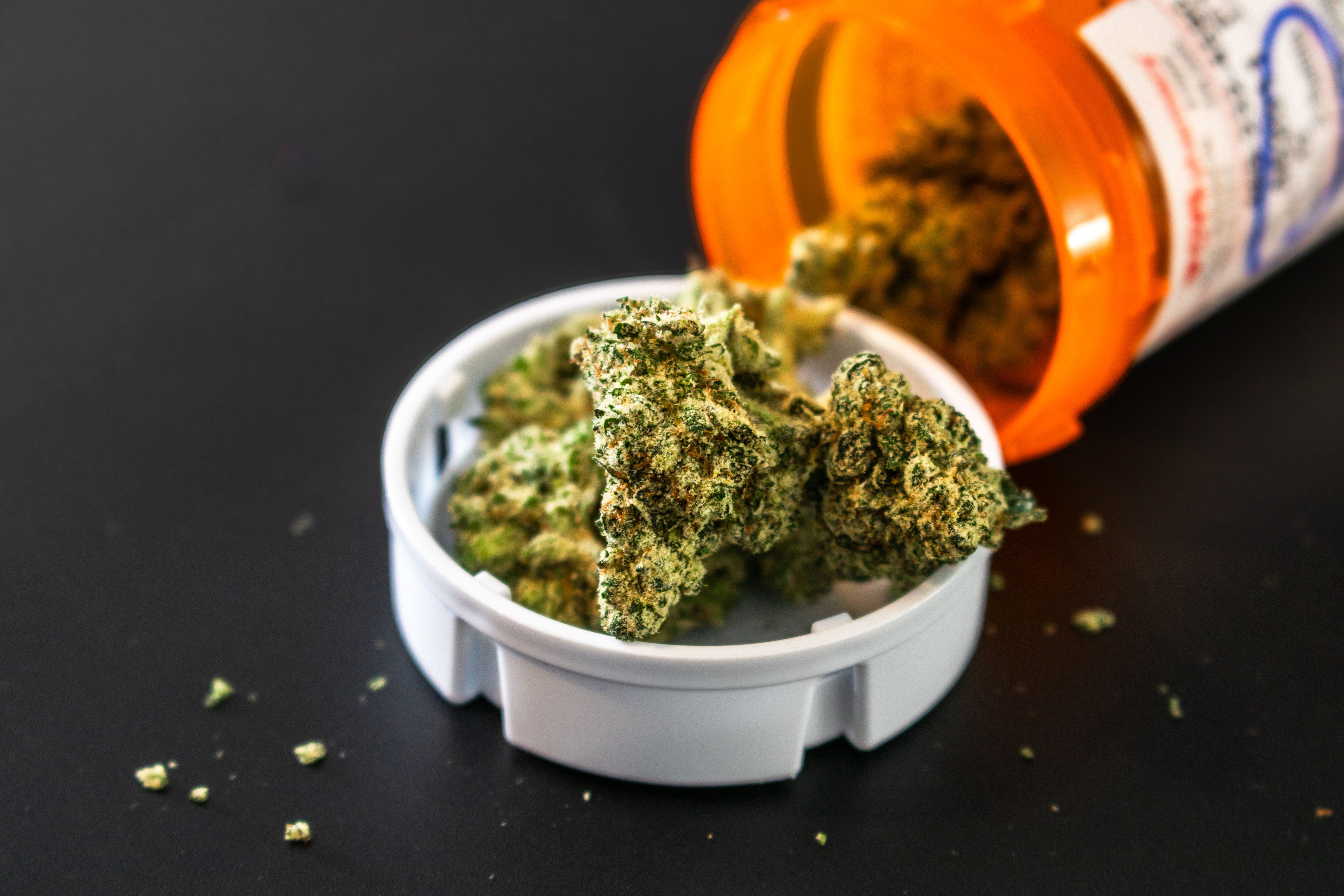
Medical cannabis and adult-use cannabis can look similar on a dispensary menu, but they are not always treated the same way. The difference is less about the plant itself and more about why someone is buying it, how they access it, what products are available, and what protections or limits apply under state law.
For many readers, the practical question is simple: should you apply for a medical cannabis card, or is adult-use cannabis enough? The answer depends on your location, your health needs, your age, the products you want, and whether a medical program offers meaningful benefits where you live.
This guide explains the main differences without overstating them. Cannabis laws vary by state, medical programs are not identical, and product quality depends on the rules in a specific market.
What medical cannabis means
Medical cannabis refers to cannabis products accessed through a state medical program. In most programs, a patient needs a qualifying health condition and documentation from a licensed healthcare professional. Some states require a formal certification, while others use a recommendation or physician authorization.
The key point is that medical cannabis is tied to patient access. A person is not simply buying cannabis because they are old enough; they are participating in a program designed for people with approved medical needs.
Medical programs often have their own rules for:
- who qualifies
- how patients register
- whether caregivers can assist patients
- what products patients can buy
- how much cannabis a patient may purchase or possess
- whether taxes or fees are reduced
- whether patients receive extra protections under state law
Those benefits are not universal. Some states offer broad medical access and lower taxes. Others have more limited programs or rules that overlap closely with adult-use sales.
Medical cannabis also does not mean the cannabis plant itself is federally approved as a treatment. In the United States, the FDA has approved specific cannabinoid-based medications for certain uses, but it has not approved the cannabis plant as a general medical treatment.
What adult-use cannabis means
Adult-use cannabis refers to cannabis sold legally to adults under state law, usually through licensed retailers. It is often described casually as recreational cannabis, but adult-use is the cleaner term for legal, policy, and industry contexts.
In most adult-use markets, consumers must be at least 21 years old and show a valid ID. They do not need a medical certification or qualifying condition. The focus is adult access within a regulated market.
Adult-use consumers may be shopping for many reasons: relaxation, social enjoyment, creativity, sleep support, curiosity, or a preferred alternative to alcohol. Those motivations can overlap with wellness goals, but adult-use cannabis is not the same as medical care.
The biggest advantage of adult-use cannabis is simplicity. If adult-use sales are legal where you live, access is usually more straightforward than applying for a medical card. The tradeoff is that adult-use consumers may face higher taxes, lower purchase limits, fewer patient protections, or less access to certain products, depending on state rules.
Medical and adult-use cannabis compared
| Factor | Medical cannabis | Adult-use cannabis |
|---|---|---|
| Main purpose | Patient access through a state medical program | Adult access through a regulated retail market |
| Typical access | Requires a qualifying condition and healthcare professional certification or recommendation | Usually available to adults 21 and older where legal |
| Product selection | May include patient-focused products, CBD-rich options, specific ratios, tinctures, capsules, topicals, or higher purchase limits | Often emphasizes broad consumer choice, including flower, edibles, vapes, concentrates, and infused products |
| THC and CBD | Not automatically lower in THC; products may be selected for symptom goals, cannabinoid ratio, or route of consumption | May include a wide range of THC potencies and product formats |
| Taxes and fees | May have reduced taxes or program-specific fees | Often subject to adult-use excise taxes and local taxes |
| Legal protections | May offer patient-specific protections under state law | Protections are usually limited to adult possession and purchase rules |
| Quality and testing | Testing depends on state regulations and product type | Testing also depends on state regulations and product type |
The most important correction is that medical cannabis is not always “weaker,” and adult-use cannabis is not always “stronger.” Both markets can include low-THC, high-THC, CBD-dominant, and balanced products. The difference is usually the access pathway and the way products are regulated or positioned.
Potency, THC, and CBD: what actually changes?
THC is the main intoxicating cannabinoid in cannabis. CBD is generally considered non-intoxicating, though it can still affect the body and interact with some medications. Both medical and adult-use products may contain THC, CBD, minor cannabinoids, terpenes, or a combination of these compounds.
Medical cannabis shoppers may be more likely to look for products with consistent ratios, lower starting potency, CBD-dominant formulas, tinctures, capsules, or topicals. That does not mean every medical product is low in THC. Some patients use higher-potency products under medical guidance or because their state program allows different purchase limits.
Adult-use shoppers may see more products marketed around flavor, format, strain type, potency, convenience, or experience. A dispensary menu might include flower, pre-rolls, edibles, vapes, beverages, concentrates, tinctures, and topicals. Some of those products can be low-dose or CBD-forward; others may be highly intoxicating.
For beginners, the label matters more than the legal category. Check the THC amount, CBD amount, serving size, product type, and onset expectations. A low-potency edible and a high-potency concentrate are very different experiences, even if both are sold in the same dispensary.
Access and eligibility
Medical cannabis access usually starts with a qualifying condition. Common qualifying conditions vary by state and may include conditions such as chronic pain, cancer-related symptoms, epilepsy or seizure disorders, PTSD, multiple sclerosis, or other state-approved diagnoses.
A healthcare professional’s role also varies. Some states require an in-person visit. Others allow telehealth certification. Some programs require annual renewal, while others allow longer registration periods.
Adult-use cannabis access is more direct. In legal adult-use markets, adults who meet the age requirement can purchase from licensed retailers without proving a medical need. That convenience is one reason some people skip medical registration even when they might qualify.
However, medical access may still matter for people who need specific products, higher purchase limits, caregiver support, lower taxes, or legal recognition as a registered patient.
Product quality and lab testing
A common assumption is that medical cannabis is automatically “medical grade” and adult-use cannabis is less reliable. That is too simple.
In regulated markets, both medical and adult-use products may be subject to testing rules for potency and contaminants. The exact requirements depend on the state, the product type, and the regulatory program. A product can be tested and still carry risks, especially if it is high in THC, mislabeled, used with other substances, or consumed by someone with a health condition or medication interaction risk.
The better question is not “medical or adult-use?” It is: does the product have a certificate of analysis, clear cannabinoid labeling, batch information, and transparent serving guidance?
When comparing products, look for:
- total THC and CBD per serving or package
- batch or lot number
- contaminant testing information
- serving size
- product type and onset expectations
- whether the product comes from a licensed source
This is especially important for edibles and concentrates, where potency can be easy to underestimate.
Taxes, pricing, and purchase limits
Medical cannabis may cost less in some states because patients may qualify for reduced taxes or exemptions. But the math is not always straightforward. A medical card may come with registration fees, renewal costs, clinician visit costs, or other program expenses.
Adult-use cannabis may be easier to access but more heavily taxed. In some markets, adult-use taxes can make the same or similar product more expensive than a medical purchase.
Purchase limits can also differ. Some medical programs allow patients to buy or possess more cannabis than adult-use consumers. Other states keep limits similar. These rules can change, so consumers should check their state cannabis regulator’s current guidance before relying on any limit.
Who might consider medical cannabis?
Medical cannabis may be worth exploring for people who have a qualifying condition and want cannabis to be part of a health-related care plan. It may also make sense for people who need access to specific product types, caregiver assistance, or patient protections.
People considering medical cannabis should talk with a qualified healthcare professional, especially if they:
- take prescription medications
- have a heart, liver, mental health, or substance use history
- are pregnant, trying to become pregnant, or breastfeeding
- are older adults or are new to intoxicating cannabis
- need cannabis for a serious or chronic condition
Medical cannabis should not be framed as a cure-all. Some patients report benefits for certain symptoms, and some cannabinoid medicines have FDA-approved uses, but cannabis products sold through dispensaries are not the same as FDA-approved medications.
Who might choose adult-use cannabis?
Adult-use cannabis may be the simpler option for adults who live in a legal market and do not need patient-specific access. It may be enough for people who want occasional cannabis for relaxation, social settings, creativity, or general enjoyment.
That does not mean adult-use cannabis should be approached casually. THC can impair coordination, attention, reaction time, and decision-making. Edible effects can be delayed and longer-lasting than inhaled cannabis. High-potency products may increase the chance of unpleasant effects such as anxiety, dizziness, confusion, or overconsumption.
A lower-potency product, a small serving, and a calm setting can make a big difference for newer consumers. So can asking a licensed dispensary staff member direct questions about potency, onset, duration, and product format.
How to decide which option fits you
The easiest way to compare medical and adult-use cannabis is to focus on your actual needs.
Choose medical cannabis to explore further if you have a qualifying condition, want clinician guidance, need patient protections, may benefit from lower taxes, or need access to products or purchase limits that are only available through the medical program.
Choose adult-use cannabis if you are an eligible adult in a legal market, do not need a medical certification, and want straightforward access through a licensed retailer.
In either case, avoid buying untested products from unlicensed sources. Regulated products are not risk-free, but licensed markets usually provide more transparency around potency, labeling, and testing than unregulated products.
Frequently asked questions
Q: Is medical cannabis always lower in THC?
A: No. Medical cannabis can include low-THC, balanced, CBD-dominant, or high-THC products depending on the state program and patient needs.
Q: Is adult-use cannabis only for people who want euphoric effects?
A: Not necessarily. Some adult-use consumers choose low-potency, CBD-forward, or wellness-oriented products. The difference is that adult-use access does not require a medical certification.
Q: Do medical cannabis patients pay less?
A: Sometimes. Some states offer lower taxes or exemptions for medical cannabis, but patients may also pay registration, renewal, or healthcare visit costs.
Q: Are medical cannabis products safer than adult-use products?
A: Not automatically. Testing and labeling standards depend on state rules. The best practice is to buy from licensed sources and review potency, serving size, and certificate of analysis information when available.
Q: Can a healthcare professional prescribe cannabis?
A: In most state medical cannabis programs, healthcare professionals certify or recommend patients rather than prescribing dispensary cannabis like a traditional FDA-approved medication. FDA-approved cannabinoid medicines are separate prescription products.
Key takeaways
Medical cannabis and adult-use cannabis often come from the same plant, but they operate through different legal and retail pathways. Medical cannabis is built around patient access and qualifying conditions. Adult-use cannabis is built around regulated access for adults.
The better choice depends on your state, health needs, budget, desired products, and comfort level. For some people, a medical card offers meaningful benefits. For others, adult-use access is simpler and sufficient.
Whichever route you choose, read labels carefully, start with lower-potency products if you are new or returning after a long break, avoid driving while impaired, and treat cannabis as a substance that deserves informed, thoughtful use.
Sources
- NCCIH, “Cannabis and Cannabinoids: What You Need To Know”
- FDA, “FDA Regulation of Cannabis and Cannabis-Derived Products, Including Cannabidiol (CBD)”
- NCSL, “State Medical Cannabis Laws”
- NCSL, “Cannabis Overview”
- CDC, “State Medical Cannabis Laws”
Further Reading
- How THC and CBD Interact with the Endocannabinoid System
- How to Read a Cannabis Lab Test: Understanding COAs
- How to Choose the Best Cannabis Strains for Your Needs
- What is the Difference Between Delta-9, Delta-8, and Delta-10 THC?