Appearance
How CBD Works
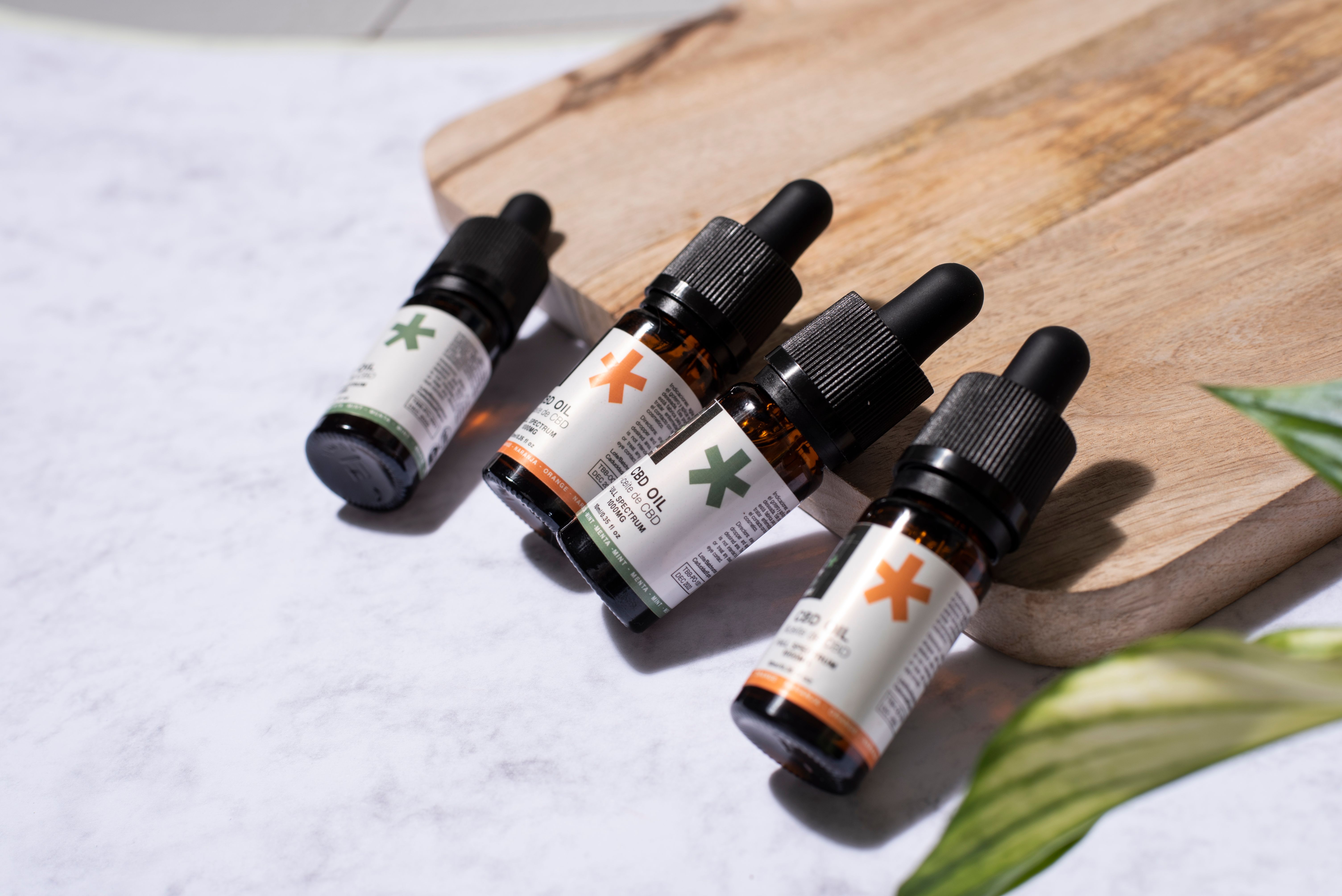
CBD is one of the best-known cannabinoids in cannabis, but it is often described in ways that are too simple. It is not “just THC without the euphoria,” and it is not a cure-all wellness ingredient. CBD has its own complex relationship with the body, including the endocannabinoid system, several non-cannabinoid receptor systems, and the way the body processes other substances.
The most important distinction for most readers is this: CBD is generally considered non-intoxicating. Unlike THC, it does not typically produce the euphoric effects associated with cannabis. That does not mean CBD has no effects on the brain or body. It means CBD works differently from THC and should be understood on its own terms.
This guide explains what CBD appears to do, where the evidence is strongest, where claims need caution, and how to compare CBD products without getting lost in marketing language.
What is CBD?
CBD, short for cannabidiol, is a cannabinoid found in cannabis and hemp plants. Cannabinoids are compounds that can interact with systems involved in mood, pain signaling, inflammation, appetite, sleep, and other body processes.
THC is the cannabinoid most associated with cannabis intoxication. CBD is different. It has low affinity for the main cannabinoid receptors that THC strongly activates, especially CB1 receptors in the brain. That difference helps explain why CBD does not usually cause euphoria or the same type of intoxication associated with THC.
CBD products can come in many forms, including oils, tinctures, capsules, edibles, topicals, beverages, and prescription medication. The form matters because CBD absorbed through the digestive system, held under the tongue, applied to the skin, or taken as a prescription oral solution may behave differently in the body.
How CBD interacts with the endocannabinoid system
The endocannabinoid system, or ECS, helps the body maintain balance across several functions. It includes endocannabinoids the body makes naturally, receptors such as CB1 and CB2, and enzymes that build or break down those signaling molecules.
THC works partly by directly activating CB1 receptors. CBD does not behave the same way. Instead, researchers describe CBD as having indirect and multi-target activity. In plain language, CBD appears to influence several signaling pathways rather than flipping one simple switch.
One commonly discussed example is anandamide, an endocannabinoid sometimes nicknamed the “bliss molecule.” CBD may influence how anandamide is broken down, though the exact importance of that mechanism can depend on context, dose, product type, and the condition being studied. CBD is also being studied for activity involving serotonin receptors, inflammatory pathways, and other receptor systems outside the ECS.
That broad activity is part of why CBD is interesting to researchers, but it is also why consumer claims can outrun the evidence. CBD’s effects are not one-size-fits-all, and the presence of a possible biological mechanism does not automatically prove a health benefit.
How CBD differs from THC
CBD and THC can come from the same plant family, but they often feel very different to consumers because they interact with the body differently.
THC can produce intoxicating effects by activating CB1 receptors in the brain. CBD does not typically activate CB1 receptors in the same way, which is why it is commonly described as non-intoxicating. Some people still report noticeable effects from CBD, such as feeling calmer or sleepier, especially at higher amounts or when CBD is combined with other substances.
CBD can also appear in products that contain small amounts of THC. A full-spectrum hemp product may legally contain trace delta-9 THC under federal hemp rules, but “trace” does not always mean irrelevant for every person. Product concentration, serving size, frequency of use, individual metabolism, and drug-testing sensitivity can all matter.
For readers who want to avoid THC, broad-spectrum CBD or CBD isolate may be more appealing than full-spectrum CBD. Even then, product quality and testing matter because labels are not always enough on their own.
What CBD may help with
CBD is widely marketed for pain, anxiety, sleep, inflammation, stress, and general wellness. Some of those claims are based on early research, consumer reports, or preclinical studies. Others are stronger in specific medical contexts.
The clearest medical evidence is for prescription cannabidiol. The FDA has approved Epidiolex, a purified CBD medication, for seizures associated with Lennox-Gastaut syndrome, Dravet syndrome, and tuberous sclerosis complex. That approval applies to a specific prescription drug, dose range, manufacturing standard, and set of conditions. It should not be treated as proof that over-the-counter CBD products work the same way.
For anxiety, sleep, pain, and inflammation, the picture is more cautious. Research is ongoing, and some studies suggest CBD may have potential in certain settings. But commercial CBD products vary widely, and results from a clinical trial or lab study do not automatically translate to every tincture, gummy, beverage, or topical on the shelf.
A more accurate way to frame CBD is this: CBD is a promising cannabinoid with specific approved medical use in prescription form, active research in several areas, and many consumer-reported wellness uses that still need stronger evidence.
Safety, side effects, and medication interactions
CBD is often marketed as gentle, but “non-intoxicating” does not mean risk-free. CBD can cause side effects, including drowsiness, digestive upset, appetite changes, and changes in alertness. The FDA has also raised concerns about liver injury, medication interactions, and possible risks for certain groups.
Medication interactions deserve special attention. CBD can affect how the body processes some medications, including certain seizure medications and other drugs metabolized by liver enzymes. Combining CBD with alcohol, sleep aids, anxiety medications, or other substances that cause sedation may increase drowsiness or impairment.
People who are pregnant, trying to become pregnant, nursing, managing liver conditions, taking prescription medications, or using CBD for a serious health condition should talk with a qualified healthcare professional before using CBD. That guidance is not meant to make CBD sound scary. It is meant to keep the risk in proportion to how the product is being used.
Full-spectrum, broad-spectrum, and isolate CBD
CBD labels often use three product terms: full-spectrum, broad-spectrum, and isolate. These terms can help, but they are not a complete quality check.
Full-spectrum CBD contains CBD along with other cannabis compounds, which may include minor cannabinoids, terpenes, and legally limited amounts of THC when the product is hemp-derived. Some consumers choose full-spectrum products because they are interested in the “entourage effect,” the idea that cannabis compounds may work together in ways that differ from isolated compounds. The idea is plausible and widely discussed, but product-specific benefits should not be assumed.
Broad-spectrum CBD is usually marketed as containing CBD plus other cannabis compounds, but without detectable THC. This may appeal to people who want a more complex extract while trying to avoid THC. However, “THC-free” claims should be checked against a current certificate of analysis.
CBD isolate is purified CBD without the broader mix of cannabinoids and terpenes. It may be useful for people who want the simplest cannabinoid profile, though it does not offer the same compound diversity as full-spectrum or broad-spectrum products.
How to compare CBD products
A CBD label can tell you part of the story, but it cannot tell you everything. Before choosing a product, look for a current certificate of analysis, or COA, from a third-party lab. A useful COA should match the product batch and show cannabinoid potency. Stronger testing may also include screening for contaminants such as heavy metals, pesticides, residual solvents, and microbes.
Pay attention to the amount of CBD per serving, not just the total amount in the package. A bottle with a large total CBD number may still have a modest amount per serving, while a small package may be more concentrated than it looks.
It also helps to match the product type to the goal. A topical CBD product is different from an ingestible CBD oil. A gummy is different from a tincture. A full-spectrum product is different from isolate. None of these categories is automatically “best.” The better question is what you are trying to avoid, what you want to feel, how important THC avoidance is, and whether the product has credible testing.
Is CBD federally legal?
In the United States, federal hemp rules created a legal category for hemp: cannabis and cannabis derivatives with no more than 0.3% delta-9 THC on a dry-weight basis. That is why many hemp-derived CBD products are widely sold.
But CBD legality is not as simple as “CBD is federally legal.” The FDA still regulates cannabis-derived products under food, drug, and supplement rules, and states can have their own restrictions. Product type also matters. A hemp-derived CBD topical, edible, tincture, and prescription medication may be treated differently depending on jurisdiction and intended use.
For consumers, the practical takeaway is simple: hemp-derived CBD is widely available, but laws and product rules vary by location. Check current state rules and buy from companies that provide transparent testing.
Key takeaways
CBD is a non-intoxicating cannabinoid that works differently from THC. Instead of strongly activating CB1 receptors, it appears to influence multiple signaling systems, including parts of the endocannabinoid system.
The strongest medical evidence for CBD is prescription cannabidiol for specific seizure disorders. Other uses, including anxiety, sleep, pain, and inflammation, are still being studied and should be framed with caution.
CBD products are not all the same. Full-spectrum, broad-spectrum, and isolate products differ in cannabinoid profile, THC content, and testing needs. A current COA is one of the best tools consumers have for checking what is actually in a product.
CBD may be approachable, but it is still biologically active. People taking medications, managing medical conditions, or shopping for CBD for a specific health reason should treat it as more than a casual wellness trend.
Frequently asked questions
Q: Does CBD cause intoxicating effects?
A: CBD is generally considered non-intoxicating and does not typically produce the euphoric effects associated with THC. Some people may still feel drowsy, relaxed, or otherwise affected, especially depending on product type and amount consumed.
Q: Is CBD the same as hemp oil?
A: Not always. CBD oil usually refers to a product containing cannabidiol. Hemp seed oil is made from hemp seeds and does not naturally contain meaningful amounts of CBD unless CBD has been added.
Q: Can CBD show up on a drug test?
A: Pure CBD is not usually the target of standard THC drug tests. However, full-spectrum products may contain trace THC, and mislabeled or contaminated products can create risk. People subject to drug testing should be especially cautious.
Q: Is full-spectrum CBD better than isolate?
A: Not automatically. Full-spectrum CBD contains a wider range of cannabis compounds, while isolate contains CBD alone. The better choice depends on whether someone wants to avoid THC, prefers a simpler formula, or values a broader cannabinoid profile.
Q: Can CBD interact with medications?
A: Yes. CBD can interact with some medications and may affect sedation or liver enzyme activity. People taking prescription medications should ask a healthcare professional before using CBD.
Sources
- FDA, “FDA Regulation of Cannabis and Cannabis-Derived Products, Including Cannabidiol (CBD)”
- FDA, “What You Need to Know About Products Containing Cannabis or Cannabis-Derived Compounds, Including CBD”
- FDA, “Hemp Production and the 2018 Farm Bill”
- USDA Agricultural Marketing Service, “Hemp and Farm Bill Programs”
- Epidiolex, “What Is Epidiolex?”
Further Reading
- How THC and CBD Interact with the Endocannabinoid System
- The Entourage Effect: How Cannabinoids Work Together
- The Benefits of Full-Spectrum Cannabis vs. Isolates
- THC vs. CBD for Pain Management: Which Works Best?