Appearance
Cannabis Cafés and the New Social Scene
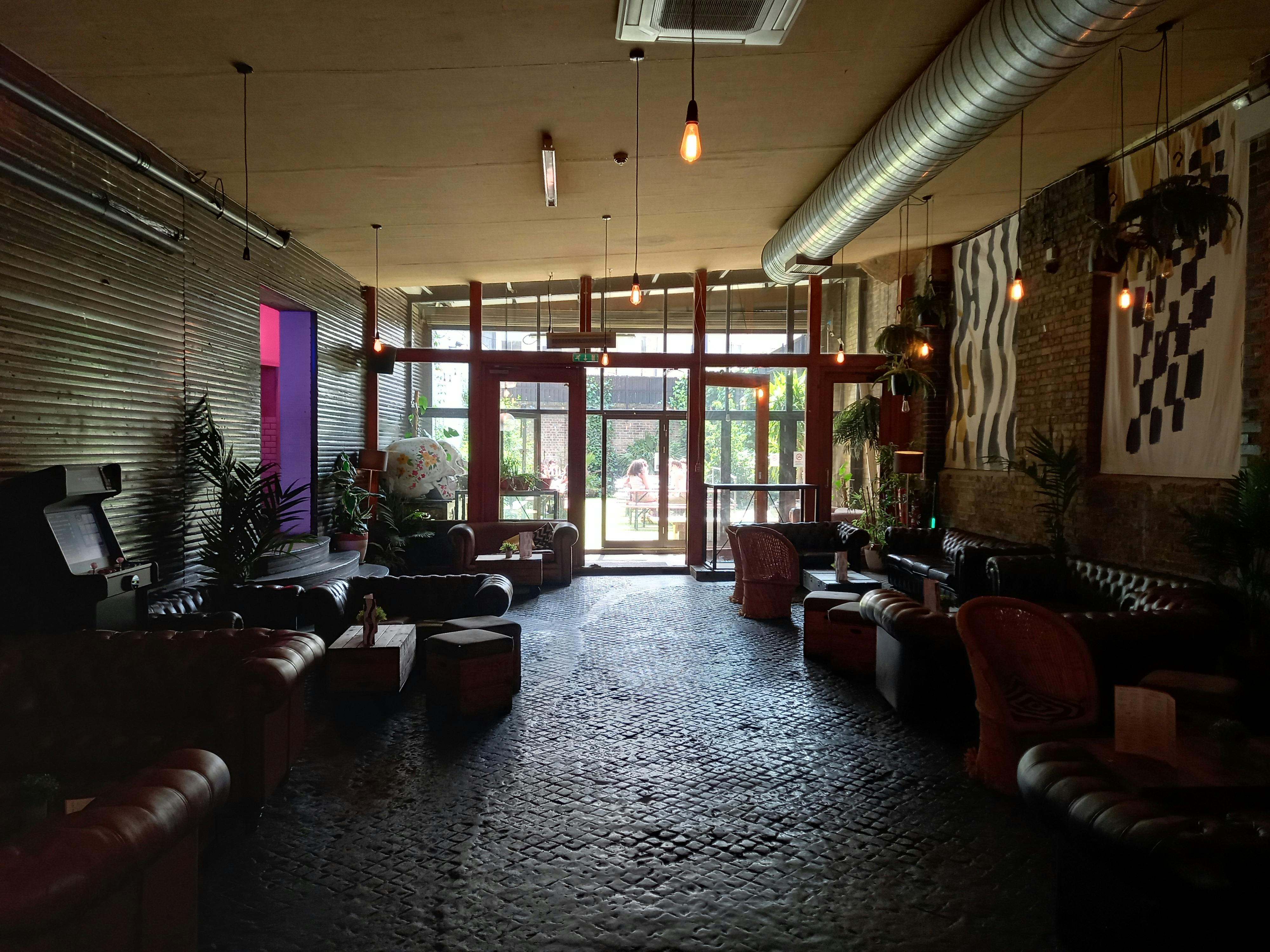
Cannabis cafés and consumption lounges are changing one of the most awkward parts of adult-use legalization: where adults are actually allowed to consume.
In many legal markets, licensed dispensaries can sell cannabis, but hotels, rental housing, parks, sidewalks, workplaces, and entertainment venues may prohibit consumption. That leaves many cannabis consumers with few practical options, especially renters, travelers, and people who do not want to consume at home. Cannabis cafés and lounges are emerging as one answer: regulated spaces where adults can consume cannabis socially, often with hospitality, education, events, and food or nonalcoholic beverage service depending on local rules.
The idea sounds simple, but the business model is not. A cannabis lounge is not just a bar with cannabis instead of alcohol. Operators have to navigate licensing, ventilation, employee safety, impaired driving concerns, product controls, local zoning, age restrictions, and state-by-state differences. The result is a new hospitality category that sits somewhere between dispensary retail, nightlife, wellness culture, and tourism.
What is a cannabis café?
A cannabis café is a licensed or locally permitted venue where adults can consume cannabis on-site. Depending on the jurisdiction, it may be attached to a dispensary, operated as a separate consumption lounge, or allowed only through a specific local license or endorsement.
The experience can vary widely. Some lounges feel like quiet tasting rooms where staff help customers understand product formats, potency, and onset. Others lean into entertainment, with music, comedy, art shows, game nights, or cannabis tourism packages. Some allow smoking or vaping in designated areas. Others may limit consumption to edibles, beverages, tinctures, or other non-smoked formats because of indoor air rules.
That variation matters. “Cannabis café” is often used casually, but the legal category is usually more specific. A city might allow on-site consumption but not food preparation. A state might allow lounges but prohibit alcohol, tobacco, or bringing in cannabis purchased elsewhere. A dispensary might be approved for limited on-site consumption but not for live entertainment. For consumers, the practical lesson is simple: do not assume every cannabis café works the same way.
Why lounges are filling a real gap
Legal sales do not automatically create legal places to consume. This is one reason cannabis cafés are gaining attention from operators, cities, and travelers.
Renters may live in buildings that ban smoking, vaping, or cannabis consumption of any kind. Tourists may buy cannabis legally but have no compliant place to consume it. Hotels may prohibit cannabis on the property. Public consumption is often restricted or prohibited, even in adult-use markets. For those consumers, a regulated lounge can reduce the guesswork.
Lounges also create a different kind of retail relationship. In a standard dispensary, the purchase usually happens quickly: a customer asks a question, chooses a product, pays, and leaves. In a lounge, the business has more time to educate customers, encourage lower-potency options, explain delayed onset, and help people pace consumption. That is especially useful for newer consumers, visitors, and people trying unfamiliar product types.
For cities, the pitch is more complicated but still important. A licensed consumption venue can bring adult-use cannabis into a more controlled setting than sidewalks, parking lots, or private parties. But that only works if the rules are enforced, staff are trained, ventilation is taken seriously, and operators are not encouraged to over-serve.
A new lane for cannabis hospitality
Cannabis cafés are part of a broader shift in how the cannabis industry thinks about experience. For years, legal cannabis retail focused on access: opening dispensaries, building menus, and getting products to customers. Lounges move the focus toward hospitality.
That can include:
- Guided product education before consumption
- Pairings with nonalcoholic drinks or non-infused food where allowed
- Events designed around music, art, comedy, wellness, or gaming
- Tourism-friendly spaces for visitors who cannot consume at hotels
- Brand activations that do not rely only on shelf placement
For operators, this creates new revenue possibilities, but not necessarily easy ones. Lounges can be expensive to build and operate. Ventilation, security, compliance staff, insurance, cleaning, and employee training all add cost. Some venues may draw strong attention at launch and still struggle with repeat traffic, neighborhood concerns, or thin margins.
The strongest lounge concepts are likely to treat cannabis as one part of the experience, not the whole experience. A room where people can consume may attract curiosity. A well-run hospitality venue with good service, responsible policies, and a reason to return has a better chance of lasting.
Food, drinks, and entertainment are still rule-dependent
One of the biggest misconceptions about cannabis cafés is that they all operate like restaurants. In reality, food and beverage rules depend heavily on location.
California is one example of how quickly the category is evolving. State law has allowed local jurisdictions to permit on-site consumption at licensed retailers or microbusinesses, but local approval remains central. California’s AB 1775, approved in 2024, created a path for local jurisdictions to allow certain cannabis consumption spaces to prepare or sell noncannabis food and nonalcoholic beverages and to host live performances, subject to conditions. That does not mean every California city allows cannabis cafés, and it does not remove the need for local approval.
Nevada shows a different regulatory approach. Its cannabis consumption lounge rules include product controls, low-dose option requirements, limits on what can leave the lounge, and restrictions on alcohol and tobacco-related products. Those details show how regulators are treating lounges as a distinct business model with its own public-health and consumer-protection concerns.
New York has also built on-site consumption into its adult-use cannabis framework, but the rules include municipal notification, distance restrictions, local rulemaking limits, and operational requirements. In other words, even when state law creates a license category, actual rollout can still depend on local zoning, community boards, timing, and agency approvals.
For consumers, the best expectation is flexibility. A “café” in one city may serve food, nonalcoholic drinks, and live music. A lounge in another market may be closer to a controlled consumption room with limited product options and no restaurant-style service.
Why alcohol is usually kept separate
Many cannabis café rules keep alcohol and cannabis separate. That is not just a branding choice. It is a public-safety and liability issue.
Alcohol and cannabis can both impair judgment, coordination, and reaction time. Combining them can make it harder for consumers to understand how impaired they are, especially when edibles or beverages are involved and effects are delayed. For operators, that raises questions similar to bar service, but with less established training, fewer standardized impairment cues, and more variation by product type.
This is why many jurisdictions either prohibit alcohol sales in cannabis lounges or require cannabis consumption to occur on separate premises from alcohol service. The separation also helps regulators draw clearer lines around licensing, enforcement, and insurance.
From a consumer perspective, the practical takeaway is simple: do not expect a cannabis lounge to be a cannabis-and-cocktail bar. In most regulated models, the social replacement is not alcohol plus cannabis. It is cannabis in a hospitality setting designed around nonalcoholic service, pacing, and controlled access.
The biggest challenges for operators
The opportunity is real, but cannabis cafés face several barriers.
First, licensing is uneven. Some states allow on-site consumption. Some leave most decisions to local governments. Some allow limited models but not full hospitality. Others have no practical legal pathway for adult-use lounges. Operators cannot simply copy a successful model from one city and open it somewhere else.
Second, indoor air and employee safety are major issues. Venues that allow smoking or vaping have to address ventilation, smoke exposure, odor, and worker protections. Even when a lounge is legal, local health officials, neighbors, landlords, and insurers may have concerns.
Third, the business has to manage impairment without pretending cannabis works like alcohol. A customer who consumes an edible may not feel the full effects immediately. A person with low tolerance may be strongly affected by a product that another consumer considers mild. Responsible operators need staff training, clear serving policies, lower-potency options, and plans for helping guests get home without driving impaired.
Fourth, the economics can be difficult. Lounges may face higher buildout costs than standard retail, limited product formats, restrictions on food or entertainment, and slower customer turnover. The venues that survive will likely be the ones that combine compliance discipline with a clear hospitality reason to visit.
What cannabis cafés mean for the social scene
Cannabis cafés are helping move adult-use cannabis from private consumption into more visible, regulated social settings. That shift matters culturally. It gives adults a place to gather without making cannabis consumption feel hidden or improvised. It also gives the industry a chance to build norms around pacing, product education, and respectful public behavior.
At their best, lounges can serve several audiences at once. Travelers get a legal place to consume. Newer consumers get guidance. Experienced consumers get a social setting. Cities get a more controlled alternative to public consumption. Operators get a new way to build community around a brand.
At their worst, lounges can become overhyped, expensive, or poorly regulated spaces that invite backlash. The difference will come down to local rules, business execution, staff training, and whether operators treat consumption as hospitality rather than novelty.
Key takeaways
Cannabis cafés and lounges are not legal everywhere, and the rules vary widely by state, city, and license type. Before visiting one, check whether the venue is licensed, what forms of consumption are allowed, whether products must be purchased on-site, and whether food, drinks, or entertainment are part of the permitted model.
For the cannabis industry, lounges represent a new category of social retail. They can support tourism, education, events, and brand loyalty, but they also bring higher compliance and safety responsibilities than standard dispensary sales.
For consumers, the biggest benefit is practical: a regulated place to consume cannabis socially without relying on public spaces, hotel rooms, or private housing that may prohibit it. As more jurisdictions test the model, cannabis cafés may become one of the clearest signs that legalization is moving beyond sales and into everyday hospitality.
Frequently asked questions
Q: Can cannabis cafés serve alcohol too?
A: Usually no. Many regulated models keep alcohol and cannabis separate because of impairment, licensing, and liability concerns. Rules vary by location, but consumers should not expect a cannabis lounge to operate like a bar.
Q: Are cannabis cafés legal everywhere cannabis is legal?
A: No. Some adult-use markets allow cannabis sales but do not allow on-site consumption lounges. Others allow lounges only in certain cities or under specific license types. Local rules matter.
Q: Can I bring my own cannabis to a lounge?
A: It depends on the jurisdiction and the venue. Some rules require cannabis consumed on-site to be purchased at the licensed location or from approved sources. Always check the venue’s policy before visiting.
Q: Are cannabis cafés only for smoking?
A: No. Some lounges may allow smoking or vaping in designated areas, while others may focus on edibles, beverages, tinctures, or other non-smoked formats. Indoor air rules and local licensing often shape what is allowed.
Q: Why are cannabis lounges important for tourism?
A: Tourists may be able to buy cannabis legally but still have limited places to consume it, especially when hotels and public spaces prohibit consumption. Licensed lounges can give visitors a clearer, more regulated option.
Sources
- California Legislative Information, AB 1775 bill history
- California AB 1775 enrolled text via LegiScan
- Nevada Cannabis Compliance Board, Regulation 15: Cannabis Consumption Lounges
- New York Office of Cannabis Management, Revised Adult-Use Regulations
- Lake County Cannabis Alliance, State Law regarding Onsite Consumption
Further Reading
- The Role of Cannabis in Social Gatherings: Enhancing or Hindering Connection?
- The Future of Cannabis Tourism: How the Industry is Expanding
- The Rise of Cannabis Tourism: Best 420-Friendly Destinations
- The Rise of Cannabis Startups: Where the Market is Heading
- Cannabis Branding Strategies: How Companies Stand Out in a Crowded Market