Appearance
Driving After Cannabis: Laws, Risk, and Impairment
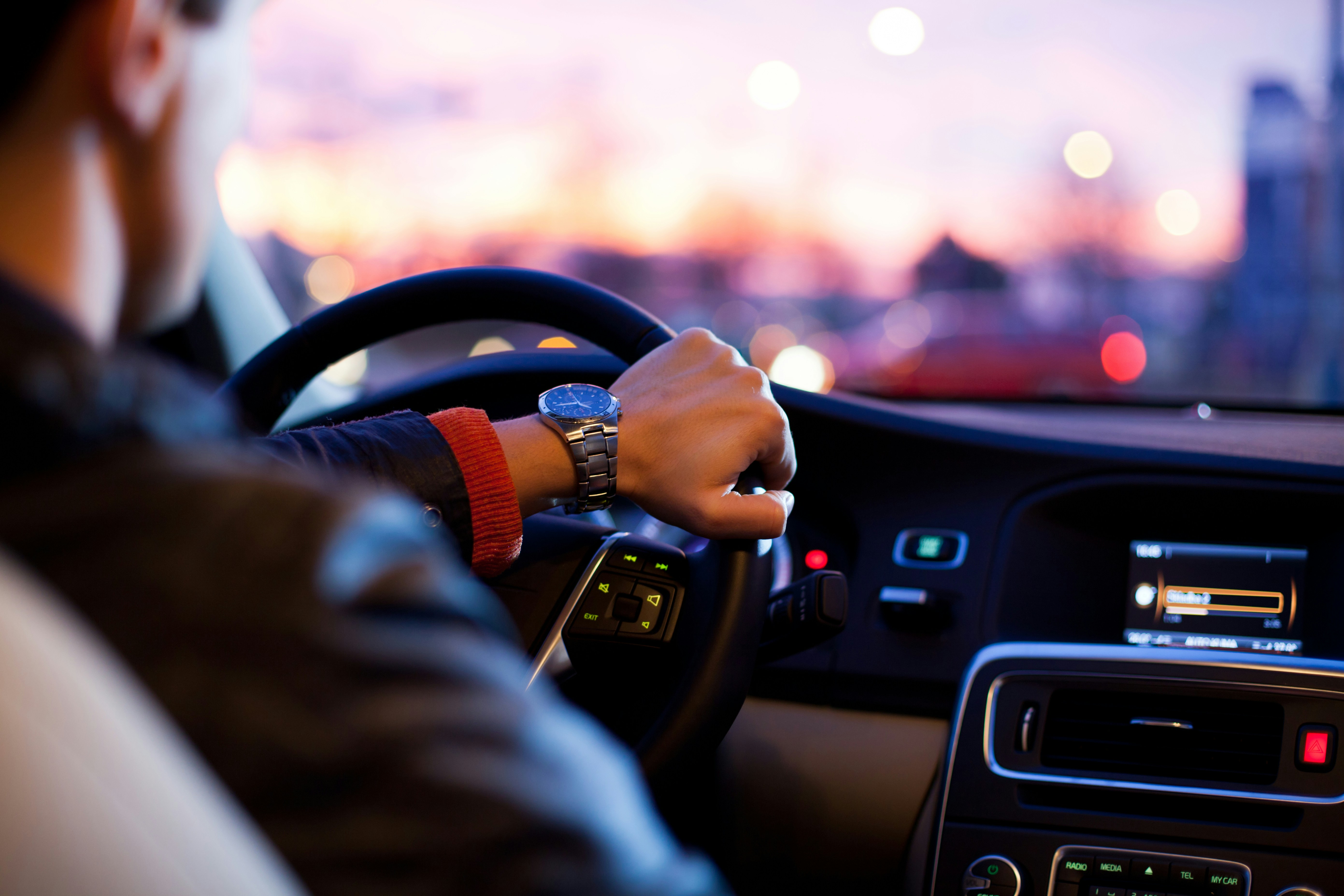
Cannabis may be legal for medical or adult-use consumption in many places, but that does not make it legal to drive while impaired. Driving under the influence laws apply to cannabis just as they apply to alcohol, prescription medications, and other substances that can affect judgment or motor control.
The difficult part is that cannabis impairment is not always easy to measure. Alcohol laws often rely on a widely recognized blood alcohol limit. THC does not work the same way. A person may feel impaired before a test shows much, or test positive after the strongest effects have faded. That mismatch is one reason cannabis DUI laws can feel confusing.
The practical takeaway is simpler: if you have consumed THC and plan to drive, build in a safer transportation plan before you consume.
How cannabis can affect driving
THC is the main intoxicating compound in cannabis. It can affect the skills drivers rely on every second: reaction time, coordination, attention, judgment, distance perception, and the ability to make quick decisions.
That matters because driving is not one skill. It is a constant mix of small tasks: tracking lanes, checking mirrors, judging speed, responding to traffic signals, watching pedestrians, and adjusting to other drivers. A delay of even a second can matter when a car stops suddenly or a person steps into the road.
Cannabis can also change how a person evaluates their own impairment. Someone may feel relaxed or confident while still reacting more slowly than usual. Regular cannabis consumers may also feel familiar with THC’s effects, but familiarity is not the same as being unimpaired behind the wheel.
Impairment can be stronger when cannabis is combined with alcohol, sedating medications, sleep loss, or other substances. Even if each substance feels manageable on its own, the combination can make driving riskier and harder to judge.
Why THC testing is complicated
Cannabis DUI enforcement is more complicated than alcohol enforcement because THC levels do not line up neatly with impairment for every person.
THC is processed differently from alcohol. It can remain detectable after the most noticeable intoxicating effects have faded, especially for frequent consumers. That means a positive THC test may show exposure, but it does not always tell the full story of driving performance at that moment.
This does not mean THC testing is irrelevant. In some states, a specific THC level can trigger a DUI charge or create a legal presumption of impairment. In other places, officers focus more heavily on observed driving behavior, field sobriety testing, drug recognition evaluations, blood or oral-fluid testing, or a combination of evidence.
For drivers, the important point is that “I felt fine” may not protect someone from a DUI investigation or charge. Cannabis can affect driving ability, and state laws give officers and prosecutors different tools for handling suspected impairment.
Cannabis DUI laws vary by state
Cannabis DUI laws are not the same across the United States. Before publishing or relying on a state-specific claim, readers should check the current rules in their jurisdiction.
Common legal approaches include:
- Zero-tolerance laws: A driver may be in violation if any prohibited amount of THC or THC metabolite is detected.
- Per se THC limits: A state sets a specific THC concentration threshold. If a driver tests at or above that level, the law may treat the driver as impaired.
- Impairment-based laws: The focus is whether the driver was actually impaired, based on behavior, driving patterns, officer observations, field testing, toxicology results, or other evidence.
- Permissible inference laws: A THC level may allow, but not automatically require, an inference that the driver was impaired.
This is where cannabis law can feel especially frustrating. A product may be legally purchased and legally consumed, but driving after consumption can still be illegal if the person is impaired or if the state’s testing rules are triggered.
Medical cannabis status also does not guarantee protection. A medical card may explain lawful possession or patient status, but it generally does not authorize impaired driving.
Possible consequences of a cannabis DUI
The consequences of a cannabis DUI depend on the state, the driver’s history, the facts of the stop, and whether anyone was injured. A first offense may still carry serious penalties.
Possible consequences can include fines, court costs, probation, license suspension, mandatory education programs, ignition interlock requirements in some jurisdictions, increased insurance costs, and a criminal record. In more serious cases, especially when there is a crash, injury, child passenger, high speed, or repeat offense, penalties can become more severe.
There are also practical consequences outside court. A DUI can affect employment, professional licensing, rideshare or delivery work, commercial driving eligibility, immigration matters, housing applications, and insurance rates. Those effects may last longer than the immediate fine or license suspension.
Because laws vary so much, anyone facing a cannabis DUI charge should speak with a qualified attorney in their state rather than relying on general online information.
How long should you wait before driving?
There is no universal waiting period that guarantees it is safe or legal to drive after consuming cannabis. The safer rule is: do not drive after consuming THC, and do not drive while you feel any intoxicating effects.
That said, timing matters. Inhaled cannabis usually produces effects more quickly than edibles, while edibles can take much longer to fully appear and may last much longer. A person who eats an edible and feels “nothing yet” may still become impaired later. Taking more before the first serving has fully taken effect can increase the chance of stronger, longer-lasting impairment.
Several factors can change how long impairment lasts:
- the amount of THC consumed
- product potency
- whether the product was smoked, vaped, eaten, or taken as a drink
- individual tolerance
- body size, metabolism, and recent food intake
- whether alcohol or other substances were used
- sleep, fatigue, and overall health
The old advice to wait a fixed number of hours can create a false sense of certainty. Four to six hours may not be enough for some people, especially after higher-THC products, edibles, concentrates, or mixed substance use. Edible effects can last 6 to 12 hours for some consumers, and some aftereffects, such as drowsiness, may last longer.
If you consumed cannabis and are unsure whether you are impaired, do not drive.
Safer transportation planning
The easiest DUI prevention plan happens before consumption, not after.
Before using cannabis, decide how you will get home. That may mean choosing a designated sober driver, using public transportation, calling a rideshare or taxi, walking only if the route is safe and legal, or staying where you are. If you are hosting, help guests plan transportation before products are opened.
If you consume cannabis for medical reasons, planning matters even more. Talk with a healthcare professional about timing, product type, and activities that require alertness, including driving. Do not assume that a familiar product or regular routine makes driving lower-risk.
Also be careful with next-day driving after heavy or late-night consumption. If you still feel drowsy, foggy, slowed down, or less alert, treat that as impairment.
Key takeaways
Cannabis can impair driving skills such as reaction time, coordination, decision-making, and perception. The effects are not always obvious to the person who consumed THC.
Cannabis DUI laws vary by state. Some laws focus on detectable THC, some use specific THC limits, and others focus on observed impairment. Legal cannabis access does not make impaired driving legal.
There is no guaranteed waiting period that works for everyone. Edibles, high-potency products, frequent consumption, alcohol, medications, and fatigue can all change how long impairment lasts.
The safest plan is to avoid driving after consuming THC and arrange transportation before you consume.
Sources
- CDC, “Cannabis and Driving”
- NHTSA, “Understanding How Marijuana Affects Driving”
- NHTSA, “Drug-Impaired Driving”
- NCSL, “Drugged Driving | Marijuana-Impaired Driving”
- Health Canada, “Cannabis Impairment”
- Health Canada, “Cannabis Health Warning Messages”
Further Reading
- Cannabis and Drug Testing: What You Need to Know
- How Long Does Cannabis Stay in Your System?
- Cannabis and Alcohol: Can You Mix Them?