Appearance
Cannabis and LGBTQ+ Activism
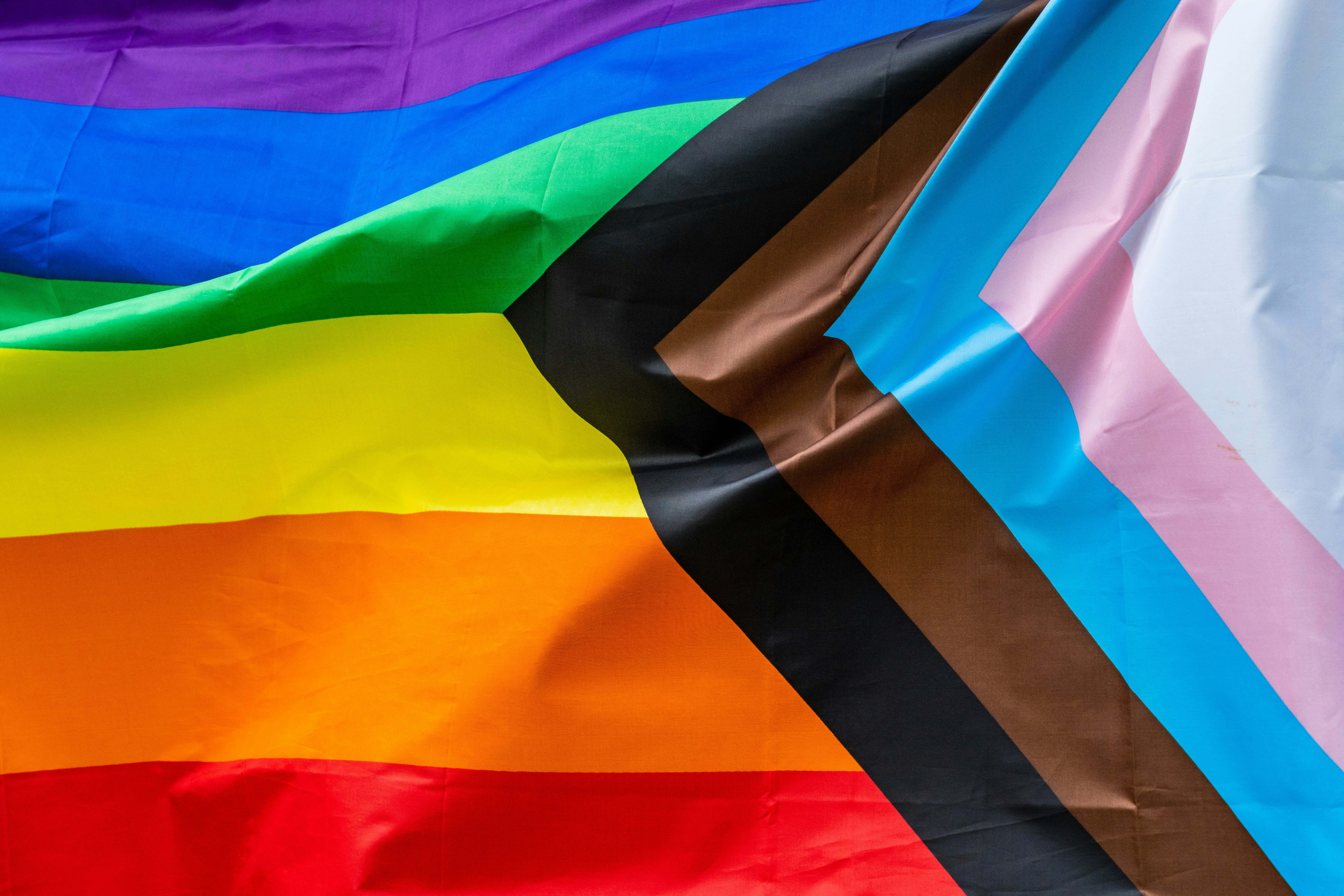
Cannabis legalization did not move from the margins to the mainstream because policymakers suddenly became generous. It moved because patients, caregivers, queer organizers, civil liberties advocates, and communities targeted by criminalization kept forcing the public to see the human cost of prohibition.
The connection between cannabis activism and LGBTQ+ rights is especially important because the modern medical cannabis movement was shaped in part by the AIDS crisis. In the 1980s and 1990s, many people living with HIV/AIDS were dealing not only with illness, grief, and inadequate care, but also with stigma from institutions that were slow to respond. For some patients, cannabis became part of symptom management conversations around appetite, nausea, pain, and quality of life. For activists, it became a matter of compassion, dignity, and patient access.
That history does not mean cannabis is a cure for HIV/AIDS, or that every modern cannabis brand that uses Pride imagery is carrying that legacy responsibly. It means the story of cannabis policy cannot be separated from the people who fought for care while facing stigma from more than one direction.
Why the AIDS crisis changed medical cannabis activism
Before medical cannabis was a regulated category in many states, access often depended on informal care networks, underground buyers’ clubs, and activists willing to risk arrest. In San Francisco and other communities heavily affected by AIDS, cannabis access became part of a larger survival politics: patients needed relief, caregivers needed options, and activists needed a way to challenge laws that treated sick people as criminals.
AIDS-related wasting, appetite loss, nausea, and pain were not abstract policy talking points. They were daily realities for people living through the crisis. Medical cannabis advocates argued that patients should not have to choose between symptom relief and criminal exposure. That argument helped shift public perception because it placed the patient, not the substance, at the center of the debate.
The science also requires careful framing. Cannabinoids have been studied for appetite, nausea, and other symptoms in people with HIV/AIDS, and synthetic THC medicine has been used for AIDS-related anorexia and weight loss. At the same time, research reviews have noted that evidence for broad cannabis use in HIV/AIDS has limits, including small studies and short-term data. A responsible article should hold both truths: cannabis access mattered deeply to many patients and activists, while medical claims still need careful evidence-based framing.
Dennis Peron and the politics of compassion
One of the best-known figures linking LGBTQ+ activism and medical cannabis reform is Dennis Peron, a gay activist in San Francisco whose advocacy was shaped by the AIDS crisis and by the illness of his partner, Jonathan West. Peron became a central figure in California’s medical cannabis movement and helped push patient access into the political arena.
California voters approved Proposition 215, the Compassionate Use Act, in 1996. That measure made California the first state to create broad legal protections for medical cannabis patients under state law. Its passage did not end federal prohibition, and it did not create the regulated cannabis systems that exist in many places today. But it changed the political conversation by showing that voters could support medical access when the issue was framed around patients, physicians, and compassion.
That matters for LGBTQ+ history because the campaign did not emerge from a neutral policy lab. It grew from communities already organizing around bodily autonomy, public health, police power, grief, and survival. The same organizing skills that powered LGBTQ+ rights work also shaped cannabis reform: mutual aid, public testimony, direct action, legal defense, media pressure, and coalition building.
Shared stigma, different forms of criminalization
The overlap between cannabis activism and LGBTQ+ activism is not only historical. Both movements have challenged the way stigma becomes policy.
For LGBTQ+ people, stigma has often appeared through discrimination in health care, housing, employment, family recognition, public safety, and basic civil rights. For cannabis consumers and patients, stigma has often appeared through criminalization, employment consequences, child custody fears, housing restrictions, and unequal enforcement. These are not identical experiences, and they should not be flattened into one story. But both movements reveal how law can be used to punish people for identity, care, association, or personal autonomy.
Cannabis criminalization has also been deeply unequal. Communities of color, low-income communities, and LGBTQ+ people of color have often faced overlapping systems of surveillance and exclusion. That is why a serious social justice lens cannot stop at “legalization happened.” Legal access does not automatically repair past harms, remove records, create ownership access, or protect patients and consumers from discrimination.
A stronger cannabis movement asks harder questions: Who was punished before legalization? Who gets licenses now? Who can afford to participate in the regulated market? Who is still excluded because of old convictions, immigration concerns, housing rules, or workplace policies?
Pride, cannabis brands, and the difference between support and marketing
Today, many cannabis companies acknowledge Pride Month, sponsor LGBTQ+ events, or use inclusive messaging. Some of that support can be meaningful, especially when it includes funding, hiring, vendor relationships, policy advocacy, and long-term partnerships with LGBTQ+ organizations.
But Pride branding can also become shallow if it is limited to rainbow packaging or seasonal posts. Cannabis companies that want to honor LGBTQ+ activism should understand the patient-access history behind the industry they operate in. The question is not only whether a brand says it supports LGBTQ+ people, but how that support shows up when Pride Month ends.
Meaningful support can include donating to LGBTQ+ health and legal organizations, buying from LGBTQ+-owned vendors, protecting queer and trans employees, training retail staff on inclusive customer service, supporting expungement and social equity efforts, and avoiding stereotypes in marketing. In cannabis, inclusion should not be treated as a campaign theme. It should be part of compliance, hiring, education, community investment, and product communication.
What this history means for cannabis consumers
For consumers, this history offers a more grounded way to think about cannabis culture. Buying from a brand with inclusive imagery is not the same as supporting justice, but consumers can still ask better questions.
Look for signs of real accountability. Does the company name the organizations it supports? Does it support LGBTQ+ communities outside Pride Month? Does it discuss medical cannabis history accurately, without overstating health claims? Does it support broader justice work, such as record clearing or ownership access for communities harmed by cannabis criminalization?
Consumers can also be careful with language. The words used around cannabis and LGBTQ+ communities matter because both have been shaped by stigma. People-first, current, and specific wording helps keep the focus on dignity rather than stereotypes.
Key takeaways
LGBTQ+ activists, AIDS activists, patients, and caregivers helped shape the modern medical cannabis movement by making patient access a public issue. Their work pushed cannabis policy away from abstract punishment and toward questions of care, autonomy, and compassion.
The AIDS crisis played a major role in changing how many people understood medical cannabis. Cannabis was not a cure, and medical claims should stay evidence-based, but patient experiences with appetite, nausea, pain, and quality of life helped fuel early access campaigns.
Today’s cannabis industry benefits from that activist history. Brands that want to participate in Pride or LGBTQ+ advocacy should do more than use inclusive visuals. Real support means funding, hiring, community partnership, policy advocacy, and respect for the people who helped build the movement.
Frequently asked questions
Q: Why was cannabis important during the AIDS crisis?
A: Some people living with HIV/AIDS used cannabis or cannabinoid medicines to help with symptoms such as appetite loss, nausea, and pain. Activists argued that patients should not face criminal punishment for seeking relief. The medical evidence should still be framed carefully, because research has limits and cannabis is not a cure for HIV/AIDS.
Q: Did LGBTQ+ activists help legalize medical cannabis?
A: Yes. LGBTQ+ activists and AIDS activists were part of the early medical cannabis access movement, especially in California. Dennis Peron is one of the best-known figures connected to both San Francisco’s LGBTQ+ community and the campaign that helped pass Proposition 215 in 1996.
Q: Are cannabis legalization and LGBTQ+ rights the same movement?
A: No. They are distinct movements with different goals, legal histories, and communities. Their overlap matters because both have challenged stigma, criminalization, and government control over personal autonomy and health-related decisions.
Q: How can cannabis brands support LGBTQ+ communities responsibly?
A: Responsible support goes beyond Pride marketing. Brands can build long-term partnerships with LGBTQ+ organizations, support inclusive workplaces, avoid stereotypes, fund community programs, and recognize the role LGBTQ+ and AIDS activists played in medical cannabis history.
Sources
- CDC, “About HIV”
- NCBI Bookshelf, “Marijuana and AIDS”
- Cochrane, “Medical use of cannabis in patients with HIV/AIDS”
- California Office of the Attorney General, “Medicinal Cannabis Guidelines”
- Ballotpedia, “Dennis Peron”