Appearance
A Beginner’s Guide to Cooking With Cannabis
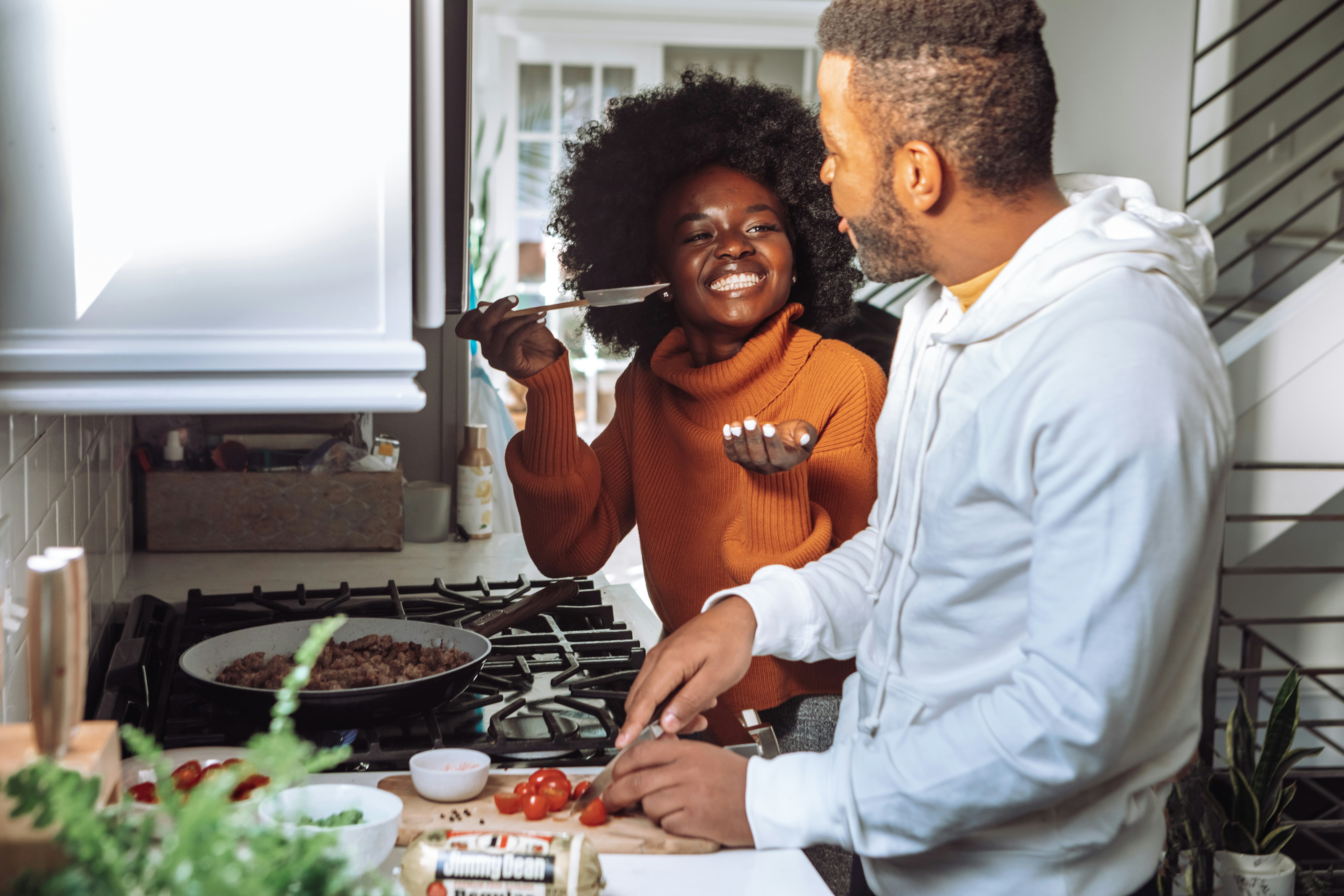
Cooking with cannabis is not difficult, but it does ask for more precision than a regular batch of brownies or a weeknight pasta sauce. Heat, fat, time, and serving size all matter. A little planning can be the difference between a balanced infused dish and one that is uneven, too strong, or hard to predict.
This beginner’s guide walks through the basic process: decarboxylating flower, making infused butter or oil, using that infusion in food, and approaching homemade edibles with patience. The goal is not to make the strongest edible possible. It is to make an infused ingredient you understand well enough to use carefully.
Start with the basics: what decarboxylation does
Raw cannabis flower contains cannabinoids in acidic forms, such as THCA and CBDA. Decarboxylation, often shortened to decarb, is the heating step that helps convert those acidic cannabinoids into THC and CBD. THC is the cannabinoid most associated with intoxicating effects, while CBD is generally considered non-intoxicating.
Skipping decarb usually means the finished infusion will not behave the way many edible recipes expect. Adding raw flower directly to butter or batter may still transfer some compounds, but it is less predictable and often less effective than gently heating the flower first.
For beginners, a simple oven method is usually enough:
- Preheat the oven to 220–240°F.
- Break cannabis flower into small, even pieces. Do not grind it into powder.
- Spread it in a thin layer on a parchment-lined baking sheet or oven-safe dish.
- Bake for about 30–40 minutes, stirring once or twice so the flower heats evenly.
- Let it cool before adding it to butter or oil.
Ovens can run hotter or cooler than the setting shows, so avoid pushing the temperature too high. Overheating can create harsh flavor and may degrade some cannabinoids and terpenes. The flower should look lightly toasted and dry, not burned.
Choose the right fat for your infusion
Cannabinoids are fat-soluble, which is why infused butter and infused oils are common starting points for homemade edibles. Butter works well for cookies, brownies, toast, sauces, and classic baked goods. Coconut oil is useful when you want a neutral-to-rich fat that works in both sweet and savory recipes. Olive oil can be a good choice for dressings, dips, roasted vegetables, or low-heat savory dishes.
The best fat depends on what you want to cook. Infused butter is familiar and easy to bake with, but it contains milk solids that can scorch if heated too aggressively. Oils are flexible and can be easier to measure, but their flavor matters. A strong olive oil may taste great in a dressing and distracting in a brownie.
For a first batch, keep the ratio modest and make a small amount. Homemade infusions are not lab-tested, so potency is an estimate, not a guarantee. Starting with a lower-strength infusion gives you more room to adjust serving size later.
How to make beginner-friendly cannabutter
This basic cannabutter method uses water to help regulate heat and reduce scorching. It is still important to keep the mixture low and slow. A hard boil is not the goal.
Ingredients
- 1 cup unsalted butter
- 1 cup water
- 7 grams decarboxylated cannabis flower
Instructions
- Add the butter and water to a small saucepan or slow cooker.
- Warm over low heat until the butter melts.
- Stir in the decarboxylated cannabis.
- Keep the mixture at a low simmer, ideally around 160–200°F, for 2–3 hours. Stir occasionally.
- Remove from heat and let it cool slightly.
- Strain through cheesecloth or a fine mesh strainer into a clean container. Do not squeeze aggressively, which can push more plant flavor into the butter.
- Refrigerate until solid. If water separates at the bottom, remove the solid butter and discard the water.
Label the container clearly before storing it. Include the date, the amount of flower used, and a clear note that it contains cannabis. Store it securely away from children, pets, and anyone who should not consume it.
How to use infused butter or oil in recipes
Once you have an infused fat, use it where the recipe already calls for butter or oil. Brownies and cookies are popular because the fat is built into the recipe, but infused ingredients can also work in savory foods.
Good beginner options include:
- cookies, brownies, or blondies
- garlic butter for bread or vegetables
- low-heat pasta sauces
- salad dressings
- dips and spreads
- tea, coffee, or hot chocolate with an added infused fat
Avoid high-heat cooking when possible. Frying with infused butter or blasting an infused oil in a very hot pan can damage flavor and make the infusion less predictable. For savory dishes, it is often better to add the infusion near the end of cooking or use it as a finishing ingredient.
Also think about distribution. If all the infused butter ends up in one corner of the batter, one serving may be much stronger than another. Mix thoroughly, portion evenly, and cut finished edibles into consistent serving sizes.
Dosing homemade edibles: why estimates are imperfect
Homemade edible potency is difficult to calculate precisely. The final amount of THC in each serving depends on the starting flower’s potency, decarb efficiency, infusion efficiency, straining loss, mixing, and portion size. Without lab testing, any number you calculate is only an estimate.
Still, estimating is better than guessing. A simple way to think about potency is:
- Check the flower’s THC percentage if you have it.
- Convert the starting amount of flower into milligrams.
- Multiply by the THC percentage.
- Remember that not all THC will transfer perfectly into the infusion.
- Divide the estimated total by the number of servings.
For example, 7 grams of flower equals 7,000 milligrams of plant material. If that flower is labeled 20% THC, the starting material may contain about 1,400 milligrams of THC before decarb, infusion loss, and portioning. That does not mean your butter will contain exactly 1,400 milligrams. It means the batch could be very strong if divided into only a few servings.
For beginners, the practical lesson is simple: make many small servings, try a small portion first, and wait before considering more. Public health guidance commonly recommends starting low and going slow with edibles because effects can be delayed. The CDC notes that cannabis edibles may take 30 minutes to 2 hours to produce intoxicating effects, and some guidance notes that full effects may take longer.
Edible safety tips before you cook
The most common mistake with edibles is impatience. Someone eats a serving, does not feel much right away, eats more, and then both servings arrive later. Because edible effects can be delayed and long-lasting, waiting is part of the recipe.
A lower-risk approach looks like this:
- Try homemade edibles on a day when you do not need to drive, work, or handle responsibilities.
- Start with a small serving, especially if you are new to edibles or using a new batch.
- Wait at least 2 hours before considering more, and longer if you are cautious or sensitive to THC.
- Avoid mixing edibles with alcohol or other intoxicating substances.
- Keep infused foods clearly labeled and separate from regular food.
- Store infused ingredients and finished edibles in locked or secure storage.
If an edible feels stronger than expected, stay calm, hydrate, rest somewhere comfortable, and avoid driving. Seek medical help or contact a poison control center if symptoms feel severe, frightening, or unmanageable.
Common mistakes to avoid
The first mistake is using too much flower in the first infusion. A strong batch may sound efficient, but it is harder to portion and easier to overconsume. A milder infusion is more beginner-friendly.
The second mistake is treating homemade edibles like packaged edibles. Regulated products may list a serving size and THC amount, but homemade food does not come with that level of testing. Even careful math cannot account for every variable.
The third mistake is forgetting storage. Infused brownies, cookies, sauces, or butter can look like regular food. Clear labels and secure storage are not optional details; they are part of responsible edible preparation.
Key takeaways
Cooking with cannabis starts with decarboxylation, continues with a fat-based infusion, and depends on careful serving sizes. Keep temperatures low, mix thoroughly, label everything, and treat homemade potency as an estimate.
The best first edible is not the strongest one. It is the one you can understand, portion, and approach with patience.
Sources
- CDC, “Cannabis and Poisoning”
- Health Canada, “Cannabis: lower your risks”
- Council of Chief Medical Officers of Health, “Statement on cannabis extracts, edibles and topical products”
- Children’s Hospital Colorado, “Marijuana Safety at Home”
Further Reading
- The Best Oils and Fats for Cannabis Infusion: Which Works Best?
- Cannabis Cooking Mistakes to Avoid
- The Science of Cannabis Decarboxylation: Why It’s Important for Edibles
- How to Properly Dose Cannabis Edibles
- How to Make Your Own Cannabis Edibles Safely