Appearance
How to Prevent Mold on Cannabis Plants
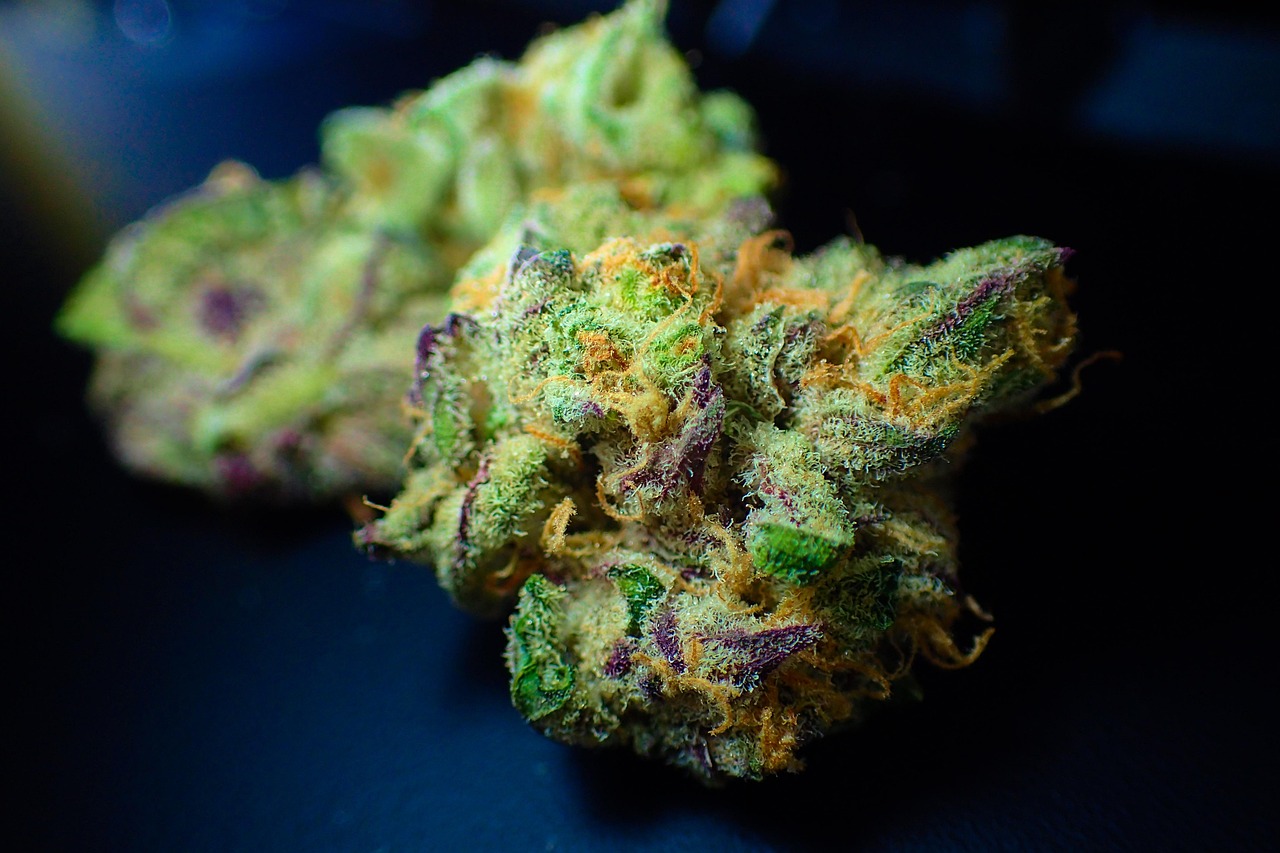
Mold can turn a promising cannabis crop into a frustrating loss fast. It does not always announce itself clearly, either. Powdery mildew may start as a few pale spots on leaves, while Botrytis, often called bud rot, can begin inside dense flower before the outside looks obviously damaged.
The best mold strategy is prevention. Once mold reaches flower, especially late in the flower stage, the goal often shifts from “treat the plant” to “protect the rest of the crop.” That means spotting symptoms early, removing affected material carefully, and correcting the conditions that allowed mold to spread.
This guide covers the common mold problems cannabis growers watch for, how to reduce risk indoors and outdoors, and what to do when you find mold on leaves, stems, roots, or flower.
Why cannabis plants get mold
Mold needs the right environment to take hold. For cannabis, the biggest risk factors are excess moisture, weak airflow, crowded canopies, dense flower, plant debris, and sudden humidity spikes. Indoor gardens can develop problems when ventilation is undersized or when humidity rises after lights out. Outdoor plants are more exposed to rain, dew, fog, cool nights, and dense autumn growth.
Moisture is not only about watering. A plant can be watered correctly and still sit in a humid, stagnant canopy. When leaves overlap, flower clusters press together, or air does not move through the middle of the plant, moisture can linger long enough for fungal problems to develop.
Late flower is a high-risk period because cannabis flower becomes denser and harder to dry internally. Even when the outside of a cola looks normal, the inside may hold moisture. That is why growers often notice bud rot only after gently opening a flower and seeing gray, brown, tan, or mushy material near the stem.
Common types of mold on cannabis plants
Powdery mildew
Powdery mildew usually appears as white or pale gray powdery patches on leaves. It may look like flour dust at first, then spread across leaf surfaces if the environment remains favorable.
Unlike some fungal problems, powdery mildew does not need soaking-wet leaves to spread. Humid nights, poor airflow, crowded growth, shade, and susceptible plant genetics can all increase risk. Early powdery mildew on fan leaves may be manageable if caught quickly, but powdery growth near flower is more serious because it can contaminate harvestable material.
Botrytis, or bud rot
Botrytis is one of the most damaging mold problems in cannabis flower. It is often called gray mold or bud rot because it breaks down flower tissue, sometimes from the inside out.
Warning signs include browning sugar leaves, a single dead-looking leaf sticking out of an otherwise green flower, gray fuzzy growth, soft or collapsing flower, and a musty smell. If you gently open the affected area, the inside may look gray, brown, wet, dusty, or decayed.
Bud rot spreads easily through spores and plant debris. Handling an infected flower roughly can release spores into the surrounding canopy, so removal needs to be deliberate and contained.
Root rot
Root rot is different from leaf and flower mold, but it comes from the same broad problem: too much moisture and too little oxygen around the root zone. It is common in overwatered soil, poorly draining containers, and hydroponic systems with low oxygen, warm water, or poor sanitation.
Healthy roots are usually pale and firm. Roots affected by rot may look brown, slimy, or weak, and the plant may wilt even when the medium is wet. Once root rot advances, recovery can be difficult, so prevention matters.
How to prevent mold before it starts
The most useful mold prevention plan is environmental, not reactive. Sprays and treatments cannot compensate for a grow space that stays too wet, too crowded, or too stagnant.
Control humidity through each growth stage
Cannabis does not need the same humidity for the entire grow. Seedlings and young plants often tolerate more humidity than mature flowering plants. During the flower stage, many growers aim for a lower relative humidity range to reduce mold pressure, especially as flower becomes dense.
Avoid treating one number as a guarantee. The right target depends on temperature, plant density, cultivar structure, airflow, and whether you are growing indoors, outdoors, in soil, or hydroponically. What matters most is keeping humidity stable, avoiding prolonged spikes, and preventing moisture from lingering in the canopy.
Indoors, a hygrometer is essential. A dehumidifier may be necessary in late flower, especially in sealed or partially sealed rooms. Pay attention to humidity after lights out, when temperatures drop and relative humidity can rise quickly.
Improve airflow without blasting plants
Good airflow helps leaves and flower surfaces dry, reduces stagnant pockets, and makes the canopy less hospitable to mold. Indoor growers usually need both exhaust ventilation and circulation fans. Exhaust moves humid air out of the space, while circulation fans move air through and around plants.
Do not point a strong fan directly at one spot all day. That can stress leaves and create uneven drying. The better goal is gentle, consistent movement across the canopy and under the canopy.
Outdoors, airflow comes from spacing, pruning, and site selection. Avoid placing plants tight against walls, fences, or dense vegetation. If possible, choose a spot with morning sun so dew dries earlier in the day.
Water with the root zone in mind
Overwatering does not just invite root problems. It can also raise humidity around the plant and slow overall drying. Let containers dry appropriately between waterings, and use containers with drainage holes. In soil or soilless media, the top inch is not the only guide; the weight of the pot often tells you more about whether the root zone is still saturated.
Outdoor growers should avoid overhead watering during flower when possible. Wet flower is slow to dry, especially on cool or cloudy days. If irrigation is needed, water near the base of the plant early enough that nearby foliage has time to dry before evening.
Prune for light and air
A packed canopy traps moisture. Strategic pruning can help air move through the plant, especially in the lower interior where shaded leaves and small flower sites often stay damp.
Remove dead leaves and plant debris promptly. Thin only what the plant can tolerate, and avoid heavy late-flower pruning that creates unnecessary stress. The goal is not to strip the plant bare; it is to reduce trapped humidity and make inspection easier.
Keep the garden clean
Mold spores can survive in plant debris, old media, dirty tools, and contaminated grow spaces. Clean pruning shears between plants, remove fallen leaves, and avoid leaving infected material in the garden.
Indoor growers should clean the room between cycles, including trays, fans, stakes, trellis netting, and surfaces that collect dust. Hydroponic growers should pay special attention to reservoirs, tubing, water temperature, and oxygenation.
What to do if you find mold on cannabis plants
Finding mold does not always mean the entire crop is lost, but it does mean you need to act quickly. The right response depends on where the mold is, how far it has spread, and how close the plant is to harvest.
If mold is on leaves
For powdery mildew on leaves, remove the worst affected leaves carefully and bag them before carrying them through the garden. Increase airflow, lower humidity where appropriate, and inspect nearby plants closely.
Some growers use products labeled for powdery mildew control, but cannabis requires extra caution. Do not apply random household sprays or garden products to flower, and do not assume a product is appropriate for inhalable cannabis. If you use a fungicide or biological control, follow the label, confirm it is allowed for your crop and jurisdiction, and avoid applying anything that could leave unsafe residues on harvestable flower.
If mold is inside flower
Moldy flower should not be consumed. Cutting away the visibly damaged spot does not guarantee the rest of that flower is free of spores or contamination.
If you find bud rot, remove the affected flower and a margin around it. Bag it immediately, avoid shaking it, and sanitize tools afterward. Then inspect the rest of the plant, especially dense colas, interior flower sites, and areas where leaves have died into the flower.
If multiple flower sites are affected, consider whether the crop is too compromised to keep. It is better to lose part of a harvest than to dry, cure, or store contaminated flower that can continue spreading mold.
If roots are affected
For root rot, first correct the moisture and oxygen problem. In containers, allow the medium to dry to an appropriate level and make sure drainage is working. In hydroponics, check water temperature, dissolved oxygen, reservoir cleanliness, and pump performance.
Plants with advanced root rot may not fully recover. If the plant is severely wilted, stunted, or foul-smelling at the root zone, removal may be the cleaner option, especially in a shared garden.
Can you save moldy cannabis?
You may be able to save the plant, but you should not try to save moldy flower for consumption. Mold contamination is a safety issue, not just a quality issue. Drying, curing, trimming, freezing, or visually cleaning flower does not reliably make contaminated cannabis lower-risk.
This is especially important for people with weakened immune systems, underlying lung conditions, or other health vulnerabilities. Fungal contamination, including Aspergillus exposure, is one reason regulated cannabis markets test for microbial contaminants.
For home growers, the practical rule is simple: if flower is visibly moldy, discard it. If a plant has one isolated infected flower and the rest of the plant looks clean, remove the affected area and monitor closely. If mold is widespread, do not gamble with the harvest.
Outdoor mold prevention tips
Outdoor cannabis growers cannot control weather, but they can reduce risk.
Choose a site with strong morning sun, good drainage, and natural air movement. Space plants so branches are not pressed together. Support heavy flower with stakes, cages, or trellis so branches do not collapse into each other after rain.
After storms, inspect dense colas and gently shake excess water from branches if needed. Remove dead leaves from the interior canopy. During wet late-season weather, inspect daily if possible, because bud rot can spread quickly once conditions favor it.
Cultivar choice also matters. Dense, tight-flowering cultivars may be more vulnerable in humid regions than plants with looser flower structure. For outdoor growing in damp climates, mold resistance and flower structure may be just as important as potency or aroma.
Indoor mold prevention checklist
Indoor growers have more control, but that also means mold problems usually point to something correctable in the room.
Before flower, check that your ventilation, dehumidifier, and circulation fans can handle full-size plants. A room that works in veg may struggle once plants are larger and transpiring more moisture.
During flower, monitor humidity at canopy height, not just on a wall across the room. Look for microclimates inside the canopy. A sensor in open air may show acceptable humidity while the center of a dense plant stays damp.
Keep plants spaced, prune lightly for airflow, and avoid letting leaves rest against walls or tent fabric. Clean spills quickly, keep reservoirs covered, and remove dead plant material before it becomes a mold source.
Key takeaways
Mold prevention starts with the environment. Humidity control, airflow, spacing, watering habits, pruning, and cleanliness all matter more than any single spray or quick fix.
Powdery mildew often starts on leaves and may be manageable early, but mold on flower is a more serious problem. Botrytis can hide inside dense cannabis flower, so inspect carefully during late flower, especially after humid nights, rain, or ventilation problems.
Do not consume moldy cannabis flower. If flower is visibly contaminated, discard it and focus on protecting the remaining crop.
Frequently asked questions
Q: Can I consume cannabis that has mold on it?
A: No. Moldy cannabis should be discarded. Visible mold means the flower may contain spores or contamination that trimming, drying, or curing cannot reliably remove.
Q: What is the best humidity for preventing mold during flower?
A: Many growers lower relative humidity during flower to reduce mold pressure, especially as flower gets dense. There is no single perfect number for every garden, but avoiding prolonged humidity spikes and keeping air moving through the canopy are key.
Q: Can powdery mildew be treated?
A: Early powdery mildew on leaves may be managed by removing affected growth, improving airflow, lowering humidity pressure, and using crop-appropriate controls. Powdery mildew on or near harvestable flower is more serious and should be handled cautiously.
Q: What is the best way to prevent mold outdoors?
A: Start with spacing, sunlight, drainage, airflow, and cultivar selection. Avoid overhead watering during flower, inspect after rain or fog, and remove dead leaves or infected flower promptly.
Q: Does drying kill mold on cannabis?
A: Drying does not make moldy cannabis suitable for consumption. Mold may stop actively growing in a dry environment, but contamination can remain.
Sources
- Pacific Northwest Plant Disease Management Handbook, “Hemp (Cannabis sativa) — Gray Mold (Botrytis Bud Blight and Stem Canker)”
- Penn State Extension, “Managing Botrytis or Gray Mold in the Greenhouse”
- UC IPM, “Powdery Mildew on Fruits and Berries”
- CDC Emerging Infectious Diseases, “Cannabis Use and Fungal Infections in a Commercially Insured Population, United States, 2016”
Further Reading
- The Best Soil Mix for Growing High-Quality Cannabis at Home
- How to Clone Cannabis Plants: A Step-by-Step Guide
- Companion Planting for Cannabis: Best Plants to Grow Together
- Maximizing Cannabis Yields: Best Techniques for Bigger Harvests