Appearance
Cooking With Cannabis Without Ruining the Batch
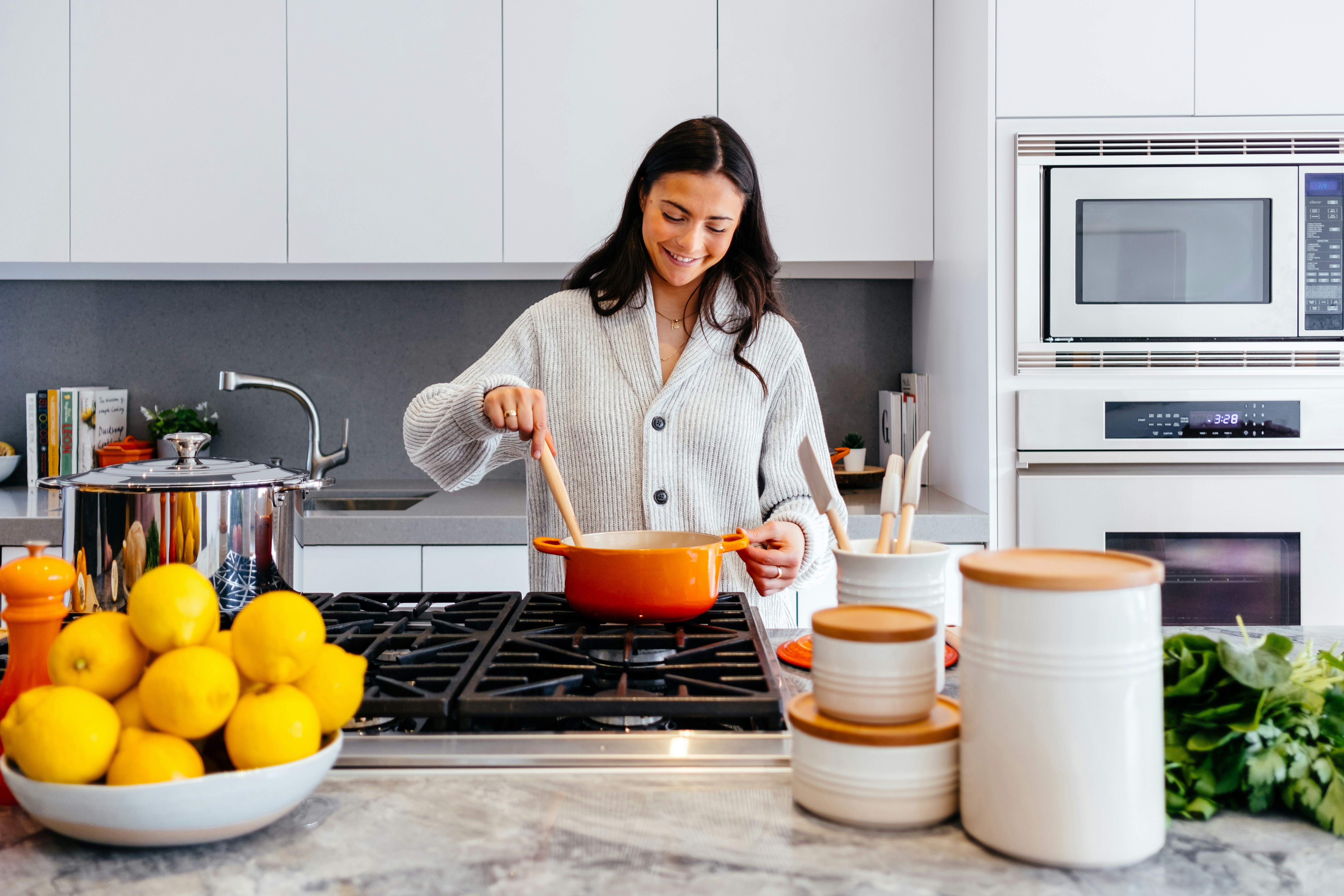
Cooking with cannabis is not difficult, but it is less forgiving than a normal batch of brownies, cookies, sauces, or infused butter. A small mistake can leave an edible weak, harsh-tasting, unevenly infused, or stronger than expected.
The biggest cannabis cooking mistakes usually happen before the food ever reaches the oven. Skipping decarboxylation, overheating an infusion, guessing at potency, or treating homemade edibles like precisely labeled dispensary products can all create problems. The goal is not to make cannabis cooking complicated. The goal is to slow down enough to protect flavor, texture, and serving consistency.
Here are the mistakes worth avoiding, plus practical ways to make infused food more predictable.
Mistake 1: skipping decarboxylation
Raw cannabis flower contains cannabinoids in acidic forms, including THCA. Decarboxylation, often shortened to decarb, is the heating step that helps convert THCA into THC. Without that step, an infused butter or oil may still carry cannabis flavor, but it may not deliver the intoxicating effects the cook expects.
A common beginner mistake is assuming the recipe’s baking time will handle all the decarb work. Sometimes it may contribute, but it is not a reliable substitute for a controlled decarb step. Batter, dough, fat, and food moisture can all affect how heat moves through the mixture. A separate decarb step gives the cannabis more direct, even heat before infusion.
Many home cooks use a low oven range around 220–240°F for roughly 30–40 minutes. That is a practical kitchen guideline, not a guarantee of exact conversion. Oven calibration, flower moisture, grind size, pan material, and batch size can all change the result. Use an oven thermometer if accuracy matters, spread the flower evenly, and avoid cranking up the heat to “save time.”
The goal is gentle heating, not roasting the flower until it smells burnt. Cannabis should be lightly toasted and aromatic, not scorched.
Mistake 2: using too much heat during infusion
More heat does not automatically mean a better infusion. Once the cannabis has been decarbed, the infusion step is mostly about giving cannabinoids time to move into fat. Butter, oil, ghee, and other fats can carry cannabinoids well, but they do not need aggressive heat to do it.
High heat can damage flavor and make infused food taste grassy, bitter, or burnt. It can also make the process harder to control. Butter can brown or scorch, delicate oils can degrade, and aromatic compounds can be driven off. For most home infusions, low and steady heat is the better choice.
Keep the infusion below a simmer. If you see bubbling that looks like frying, the heat is probably too high. A slow cooker, double boiler, or low stovetop setting can help keep the temperature gentle. Stir occasionally so the plant material stays in contact with the fat and does not sit dry against the bottom of the pan.
This matters even more with recipes that go through a second heating step. If you infuse butter, then bake cookies, the cannabis is exposed to heat twice. Low heat during infusion gives you more room to protect the final flavor and potency.
Mistake 3: confusing oven temperature with food temperature
A recipe might call for baking at 350°F, but that does not mean the inside of the edible reaches 350°F. The oven air is hotter than the food itself, especially while the food still contains moisture. That is why baked goods can cook through without becoming charcoal.
This distinction is useful, but it is not a license to ignore heat. Thin items, exposed oils, toppings, and overbaked edges can still get too hot. Infused sauces, candies, and stovetop recipes can also climb quickly if left unattended.
For baked goods, focus on avoiding overbaking and scorching. For stovetop infusions, keep the fat gently warm. For candies or recipes that require high sugar temperatures, consider whether cannabis should be added after the hottest stage, when the recipe allows it. Not every recipe is a good fit for infusion.
Mistake 4: grinding cannabis too finely
A fine powder may seem like it would infuse better, but it often creates a messy final product. Powdered plant material is harder to strain, more likely to slip through cheesecloth or filters, and more likely to leave a strong herbal texture in the finished food.
A coarse grind is usually better. Break the flower down enough to expose surface area, but not so much that it becomes dust. After infusion, strain gently. Do not squeeze aggressively if you want a cleaner-tasting butter or oil; heavy squeezing can push more chlorophyll and fine plant material into the fat.
The result may be slightly less “maximum extraction,” but it is often better food.
Mistake 5: assuming homemade edibles are evenly dosed
Even when an infusion is made carefully, homemade edibles are rarely precise. Cannabis potency varies, decarb efficiency varies, and infusion efficiency varies. Unless the finished batch is lab tested, the number you calculate is still an estimate.
That does not mean dosing math is useless. It means dosing math should be treated as a guardrail, not a lab result. Start by estimating the total THC in the cannabis flower, then assume the final edible may be less predictable than the math suggests. Divide the finished batch into equal pieces, label the batch clearly, and avoid making “mystery servings” where one corner is much larger than another.
Uneven mixing is another common problem. If infused butter is not fully blended into the batter or sauce, some servings may contain more infused fat than others. Melted infused butter should be evenly incorporated before portioning. For brownies, cookies, bars, and gummies, portioning consistency matters almost as much as the infusion itself.
Mistake 6: making the first batch too strong
The easiest edible mistake to prevent is also one of the most common: making the first batch too potent.
Homemade edibles can feel unpredictable because the effects are delayed. A person may not feel much at first, eat more, and then experience more intense intoxicating effects later. For many consumers, edible effects can take longer to appear than inhaled cannabis and may last longer once they do.
That delay changes how infused food should be approached. Start with a small serving, wait long enough to understand the effect, and avoid stacking servings too quickly. This is especially important when cooking for a group, where tolerance, body size, recent meals, and cannabis experience can vary widely.
A good cooking habit is to make a lower-potency batch first. You can always adjust a future recipe. You cannot easily make an already-served edible less potent.
Mistake 7: adding cannabis flavor to the wrong recipe
Cannabis has a distinct herbal, earthy flavor. Sometimes that flavor works. Sometimes it fights the dish.
Chocolate, peanut butter, warm spices, coffee, toasted nuts, caramel, browned butter, and savory herbs can help balance cannabis flavor. Delicate vanilla cakes, light citrus desserts, or mild cream sauces may not hide it as well. If the infusion tastes strong on its own, the final recipe needs enough flavor to carry it.
Fat choice matters too. Butter gives baked goods a familiar richness. Coconut oil can work well in chocolate or tropical recipes. Olive oil may fit savory dishes, but its flavor can clash in sweet baked goods. Neutral oils are useful when you want less flavor interference.
Do not treat infused fat as a perfect one-to-one swap in every recipe. Butter, oil, and ghee behave differently in doughs, batters, sauces, and candies. If texture matters, start with a recipe that already uses the same type of fat you plan to infuse.
Mistake 8: forgetting to label and store infused food securely
Infused food should never be left unmarked in the kitchen. Brownies, cookies, gummies, and sauces can look like ordinary food, especially to guests, children, pets, or housemates who did not watch you make them.
Label infused food clearly with the date, the type of infusion, and an estimated serving size. Store it separately from non-infused food. Use a sealed container, and when children or pets are in the home, store it locked and out of sight.
This is not just a neatness issue. Accidental THC ingestion can cause serious adverse effects, especially in children. If someone consumes an infused product by accident and has concerning symptoms, contact Poison Control or emergency services.
Mistake 9: trying to “fix” an edible after overconsumption
One risky myth is that a person can reliably cancel an overly strong edible with a quick trick. Eating a meal, drinking water, resting in a calm place, or using CBD may make some people feel more comfortable, but none of those should be framed as a guaranteed fix.
If an edible feels too strong, the first step is to stop consuming more cannabis and avoid alcohol or other intoxicants. Move to a calm environment, stay hydrated, and ask a trusted person for support if needed. Seek medical help if symptoms are severe, unusual, or frightening, or if the person has chest pain, trouble breathing, repeated vomiting, loss of consciousness, severe confusion, or is a child or pet.
The better strategy is prevention: lower-potency recipes, smaller servings, clear labels, and patience.
Best practices for better cannabis cooking
Good cannabis cooking is mostly about control. Control the heat. Control the batch size. Control the serving size. Control storage.
For a more reliable process:
- Decarb flower before infusion instead of relying on the recipe to do it.
- Use low, steady heat when infusing butter or oil.
- Stir the infusion occasionally and mix infused fat thoroughly into the final recipe.
- Use a coarse grind and strain carefully for better texture and flavor.
- Estimate potency conservatively, then portion the batch evenly.
- Label infused food clearly and store it securely.
- Start with a small serving and wait before considering more.
The best infused foods are not just potent. They are predictable, enjoyable, and clearly handled from start to finish.
Frequently asked questions
Q: Can I cook with raw cannabis without decarbing it?
A: You can add raw cannabis to food, but it may not produce the intoxicating effects many people expect from THC edibles. Decarboxylation helps convert THCA into THC before infusion.
Q: What temperature should I use for decarboxylation?
A: Many home cooks use a low oven range around 220–240°F for roughly 30–40 minutes. Treat that as a practical guideline, not an exact guarantee, because ovens and cannabis batches vary.
Q: Should I use butter or oil for cannabis infusion?
A: Both can work. Butter is useful for classic baked goods, while oils can be better for sauces, dressings, and recipes that already rely on oil. Choose the fat based on the recipe, flavor, and cooking temperature.
Q: How do I know how strong my homemade edibles are?
A: You can estimate potency from the cannabis flower’s THC percentage, the amount used, and the number of servings, but homemade edibles are not precise unless tested. Treat calculations as estimates and portion conservatively.
Q: What should I do if an edible feels too strong?
A: Stop consuming more cannabis, avoid alcohol, rest in a calm place, and ask someone trusted to stay nearby if needed. Seek medical help for severe symptoms, accidental child or pet ingestion, trouble breathing, loss of consciousness, or other concerning reactions.
Sources
- Health Canada, “Cannabis: lower your risks”
- CDC, “Cannabis and Poisoning”
- FDA, “Accidental Ingestion by Children of Food Products Containing THC”
- PubMed, “Decarboxylation Study of Acidic Cannabinoids”
Further Reading
- The Best Oils and Fats for Cannabis Infusion: Which Works Best?
- The Science of Cannabis Decarboxylation: Why It’s Important for Edibles
- How to Properly Dose Cannabis Edibles
- How to Make Your Own Cannabis Edibles Safely
- How to Cook with Cannabis: A Beginner’s Guide to Infusions