Appearance
A Practical Guide to Cannabis Concentrates
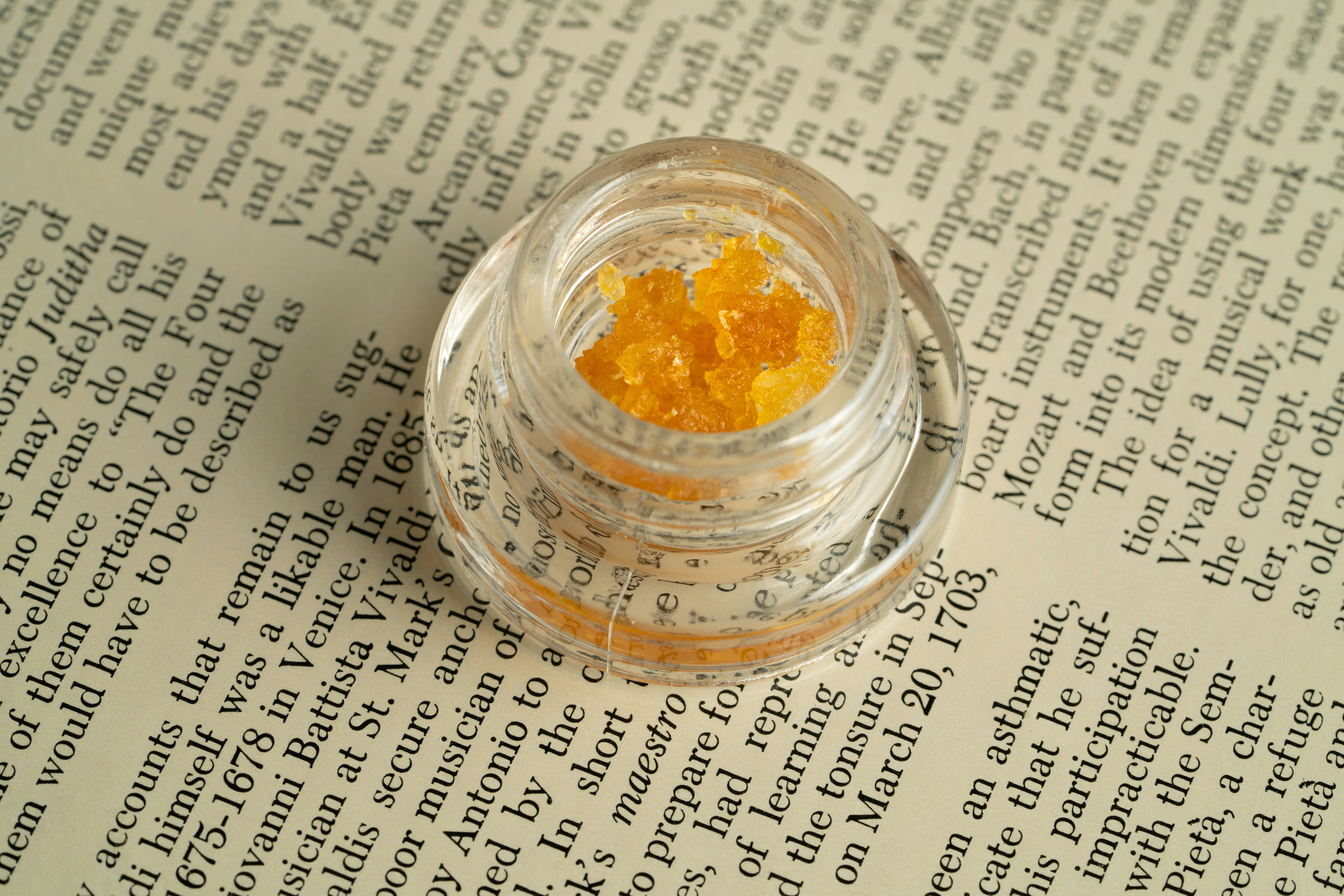
Cannabis concentrates can look small, but they are not beginner products in the same way a low-THC flower or balanced edible might be. Wax, shatter, live resin, rosin, sauce, and other extracts are made to concentrate cannabinoids, terpenes, or both into a much smaller amount of material.
That can be useful for experienced consumers who want fast onset, strong flavor, or a product that requires only a tiny serving. It can also be overwhelming if you judge a concentrate by size instead of potency. A small dab can deliver more THC than some consumers expect, and the experience can feel different from smoking flower, eating an edible, or using a tincture.
This guide focuses on three common concentrate styles: wax, shatter, and live resin. The goal is not to crown one as “best,” but to help you understand what each product is, how they differ, what labels can tell you, and what to watch for before consuming.
What are cannabis concentrates?
Cannabis concentrates are products made by separating desirable compounds from the cannabis plant and concentrating them into a smaller form. Depending on the product, that may include THC, CBD, minor cannabinoids, terpenes, or resin-rich trichome material.
Some concentrates are made with solvents such as butane, propane, ethanol, or carbon dioxide. Others are solventless, meaning heat, pressure, ice water, or mechanical separation is used instead of a chemical solvent. “Solventless” does not automatically mean risk-free, and “solvent-based” does not automatically mean low quality. In regulated markets, the more useful question is whether the product has passed required testing and whether the certificate of analysis, or COA, matches the label.
Concentrates often have much higher THC percentages than flower. That does not mean every concentrate feels the same. Texture, terpene content, minor cannabinoids, serving size, device temperature, and personal tolerance can all change the experience.
Wax: soft, workable, and common
Wax is a soft concentrate with a texture that can range from sticky and glossy to crumbly and opaque. The name comes from its appearance, not from one single extraction method. Many wax products are made through hydrocarbon extraction, often with butane or a butane-propane blend, although exact methods vary by producer.
For consumers, wax is popular because it is relatively easy to portion with a dab tool compared with brittle shatter or runny sauce. That makes it a common choice for dab rigs, electronic dab devices, and some concentrate-compatible vaporizers.
Wax can still be very potent. A soft texture does not mean a mild product. Before buying, check the product label for total THC, total cannabinoids, terpene information when available, and testing details. If the product is sold in a regulated market, ask the dispensary team how to read the label rather than relying only on the product name.
Shatter: glassy, brittle, and potency-focused
Shatter is a concentrate with a hard, glass-like texture. It is usually thin, translucent, and brittle enough to snap or “shatter” when broken. That texture comes from the way the extract is processed and cooled, not from a guarantee of quality.
The original article described shatter as one of the “purest” concentrates. A cleaner way to frame it is that shatter is often a high-potency extract with a stable texture. Purity depends on testing, residual solvent limits, contaminant screening, and the quality of the starting material. A clear sheet of shatter may look polished, but appearance alone cannot confirm what is in the product.
Shatter can be harder to handle than wax because pieces may break unevenly or stick to tools as they warm. Consumers who choose shatter usually value its stability, potency, and straightforward texture. Newer consumers should be especially careful with portion size because small pieces can still contain a substantial amount of THC.
Live resin: flavor-forward and terpene-rich
Live resin is made from cannabis that is frozen soon after harvest instead of being dried and cured first. This process is designed to help preserve volatile compounds, especially terpenes that contribute to aroma and flavor.
That is why live resin is often described as more aromatic or more “plant-like” than some other concentrates. It may come in several textures, including sauce, sugar, badder, budder, or cartridges. The word “live” refers to the fresh-frozen starting material, not to the product being raw or unprocessed.
Live resin is not automatically stronger than every other concentrate. Some live resin products are high in THC, while others emphasize terpene profile and full-spectrum character. For flavor-focused consumers, live resin can be appealing because it may preserve more of the cultivar’s aroma than extracts made from dried material. For potency-sensitive consumers, that pleasant flavor can make it easy to consume more than intended, so serving size still matters.
How people consume concentrates
The most common concentrate consumption methods are dabbing, vaporizing, and using infused products. Each method changes the experience.
Dabbing uses a dab rig, electronic nail, or portable electronic device to heat a small amount of concentrate until it vaporizes. Effects can begin quickly because inhaled cannabinoids enter the bloodstream through the lungs. That fast onset is one reason experienced consumers like dabbing, but it is also why overconsumption can happen quickly.
Vape pens and cartridges are more portable. Some cartridges are made with distillate, some with live resin, and some with other extract types. A cartridge labeled “live resin” may not feel the same as a jar of live resin intended for dabbing, so read the label and ask how the product was formulated.
Some concentrates can be used in infused food, but this is not as simple as dropping raw concentrate into a recipe. Many cannabis extracts need proper decarboxylation to create intoxicating effects when eaten, and homemade infused foods are difficult to portion accurately without testing. If you are new to edibles, a regulated product with a clear serving size is usually easier to approach than a homemade concentrate infusion.
What to check before buying a concentrate
Product names are useful, but they do not tell the whole story. Two jars labeled “wax” can differ widely in potency, terpene profile, consistency, and testing status.
Before choosing a concentrate, look for:
- Total THC and total cannabinoids: A high percentage means small servings can be intense.
- Terpene information: Terpenes can shape aroma and flavor, but they do not guarantee a specific effect.
- Extraction type: Solvent-based and solventless products can both be high quality when properly produced and tested.
- COA or testing information: In regulated markets, testing may include potency, residual solvents, pesticides, heavy metals, microbes, or other required screens.
- Intended device: Not every concentrate works well in every vaporizer, cartridge, or dab setup.
- Packaging and storage directions: Keep concentrates sealed, labeled, and stored away from heat, children, and pets.
A good dispensary team should be able to explain the difference between a product’s texture, extraction type, potency, and terpene profile without making medical promises.
Safety considerations for high-potency products
Concentrates require a different mindset than flower. Start with a very small amount, especially if you are new to dabbing or switching from a lower-potency product. Because inhaled products can act quickly, give yourself time to understand the effects before consuming more.
Avoid homemade solvent extraction. Butane and other solvents can be dangerous outside professional, closed-loop systems, and amateur extraction has been linked with fires, explosions, and burn injuries. Buying tested products from regulated sources is a lower-risk approach than attempting extraction at home.
Temperature also matters. Extremely hot dabs can feel harsh and may irritate the lungs. Electronic devices with temperature control can make it easier to avoid overheating compared with a torch, although no inhaled cannabis product is risk-free.
Secure storage is part of responsible consumption. Concentrates can be highly potent and may be appealing or confusing to children, pets, or adults who do not know what the product is. Keep products in their original packaging when possible, reseal them after use, and store them in a locked or otherwise secure place.
Key takeaways
Wax, shatter, and live resin are all cannabis concentrates, but they are not interchangeable. Wax is soft and workable. Shatter is glassy and brittle. Live resin is usually chosen for aroma and flavor because it starts with fresh-frozen cannabis.
The most important comparison is not just texture. Potency, testing, terpene profile, extraction method, and your own tolerance all matter. If you are newer to concentrates, choose lower-potency options when available, consume a small amount, avoid homemade extraction, and ask for a product that matches your device and experience level.
Frequently asked questions
Q: Are concentrates stronger than flower?
A: They often are. Many concentrates contain much higher THC percentages than flower, so a very small amount can produce strong intoxicating effects.
Q: Is live resin the same as wax?
A: Not exactly. Live resin refers to an extract made from fresh-frozen cannabis. Wax refers to a soft texture. Some live resin can have a waxy or badder-like texture, but the terms describe different things.
Q: Is shatter better than wax?
A: Not automatically. Shatter may be more stable and glassy, while wax may be easier to handle. Testing, potency, flavor, and intended consumption method matter more than assuming one texture is superior.
Q: Can concentrates be used in edibles?
A: Some can, but edible preparation requires extra care. Many extracts need decarboxylation, and homemade infused foods are hard to portion accurately without testing.
Q: What should beginners ask at a dispensary?
A: Ask about THC percentage, terpene profile, serving size, compatible devices, testing information, and whether the product is a good fit for someone with low tolerance.
Sources
- CDC, “Cannabis Frequently Asked Questions”
- CDC, “About Cannabis”
- NIDA, “Cannabis Concentrates DrugFacts”
- FDA, “FDA Regulation of Cannabis and Cannabis-Derived Products, Including Cannabidiol (CBD)”
- Al-Zouabi et al., “Butane hash oil and dabbing: insights into use, amateur production techniques, and potential harm mitigation”
Further Reading
- The Role of Cannabis Testing Labs: Ensuring Safety and Quality
- How to Read a Cannabis Lab Test: Understanding COAs
- The Role of Terpenes in Cannabis: More Than Just Smell
- Cooking with Live Resin: Tips for Using High-Potency Concentrates in Recipes