Appearance
Companion Planting for Cannabis Grows
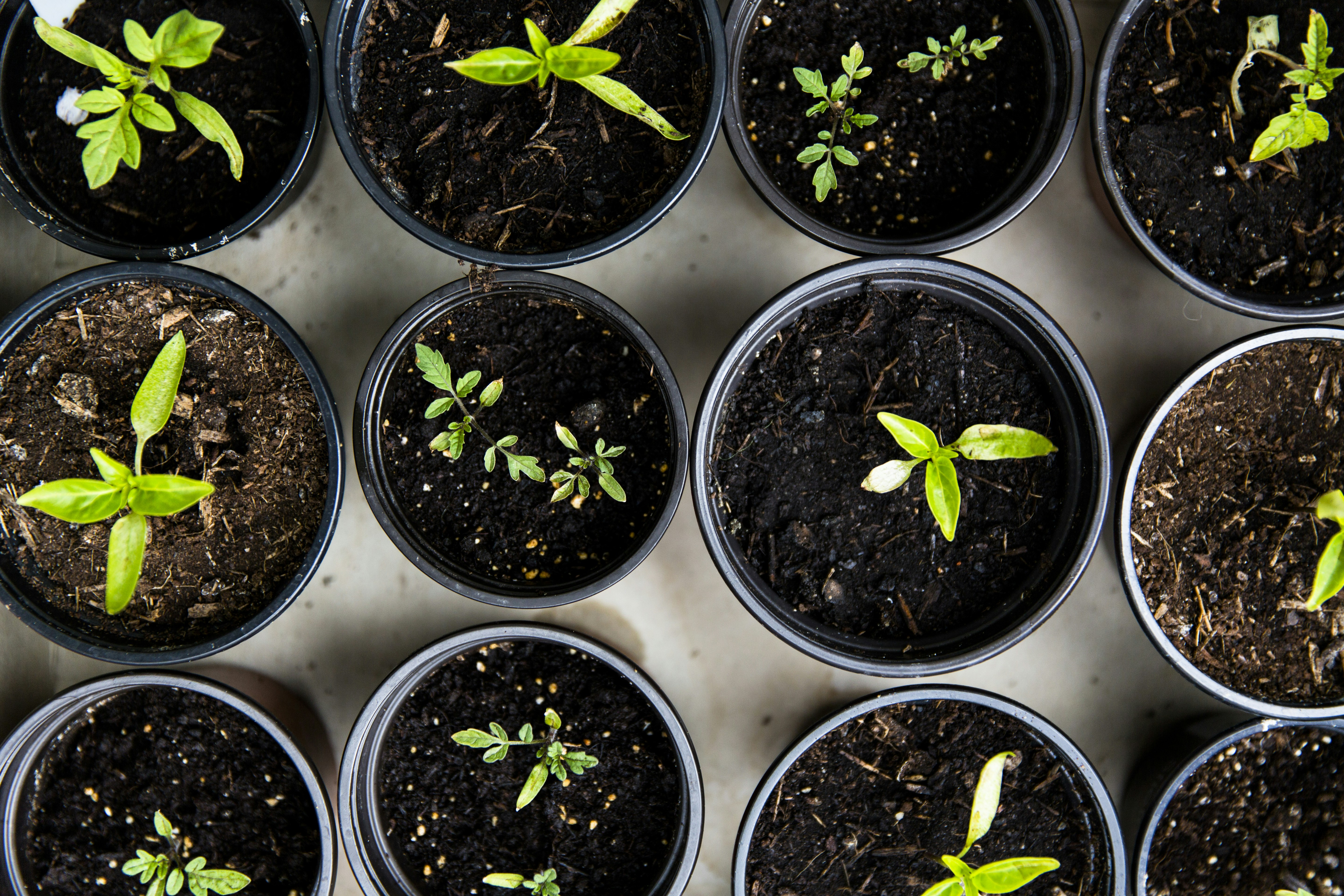
Companion planting is not magic, and it will not make a cannabis garden pest-proof. What it can do is make a grow space more diverse, less inviting to some pests, more attractive to beneficial insects, and easier to manage without reaching first for synthetic insecticides.
For cannabis growers, that matters. A garden with only cannabis plants can become a simple target for pests, especially in outdoor or greenhouse environments where insects move freely. Adding herbs, flowers, cover crops, and other supportive plants creates a more layered growing system. Some companions help cover bare soil. Some attract pollinators and predatory insects. Others may confuse or interrupt pests through scent, texture, or plant diversity.
The best companion plants for cannabis are not just plants with a reputation for “repelling bugs.” They are plants that fit your climate, container size, airflow needs, irrigation setup, and pest pressure. A good companion planting plan supports the cannabis plant without competing too aggressively for light, nutrients, or root space.
What companion planting can actually do
Companion planting works best when growers treat it as part of integrated pest management, often shortened to IPM. IPM is a practical prevention strategy that combines observation, sanitation, plant health, biological controls, environmental management, and targeted treatment when needed.
In a cannabis garden, companion plants may help in several ways. They can increase plant diversity, which may make it harder for certain pests to locate a single crop. Flowering plants can provide nectar and pollen for beneficial insects. Low-growing cover crops can protect soil from erosion, reduce bare-ground weeds, and help moderate soil temperature. Aromatic herbs may also play a role in masking plant cues that some insects use to find host plants.
The key word is “may.” Companion planting is useful, but the evidence is stronger for some plant combinations than others, and many popular claims are oversimplified. A marigold border, for example, should not be treated as a complete pest-control program. Basil should not be promoted as a guaranteed terpene enhancer. Lavender should not be expected to keep every flying pest away.
Think of companion planting as support infrastructure: it helps create a healthier garden environment, but it does not replace monitoring, pruning, sanitation, airflow, balanced nutrition, or quick action when pests appear.
Best companion plants for cannabis
Marigolds
Marigolds are one of the most common companion plants in home gardens because they are easy to grow, compact, colorful, and useful around vegetable crops. In a cannabis garden, they can work well along borders, near containers, or in open soil beds where they will not crowd the cannabis root zone.
Their strongest value is not that they repel every pest. It is that they add plant diversity and can support a more active insect community. Some research and extension guidance suggest that marigolds may help reduce pest pressure in certain crop systems, but results vary by pest, setting, and plant combination.
Use marigolds as a supporting plant, not a shield. They are a good fit for growers who want a simple, low-maintenance flower around the garden perimeter. Keep them trimmed if they start blocking airflow near lower cannabis branches.
Basil
Basil is a practical companion for warm-season cannabis gardens because it stays relatively compact, grows well in containers, and has a strong aroma. It is often used near tomatoes and peppers, and some extension sources note evidence that basil can help reduce thrips in tomato systems.
For cannabis, basil is best framed as an aromatic companion that may help diversify the garden and support pest-management goals. The common claim that basil directly increases cannabis terpene production is too strong without specific evidence. Cannabis aroma and resin production are influenced by genetics, plant health, environment, harvest timing, drying, and curing. Basil can add fragrance to the garden, but it should not be credited with changing a cannabis plant’s terpene profile unless there is direct evidence for that specific claim.
Basil is a good choice for container growers because it is easy to move, prune, and replace. Keep it from shading young cannabis plants, and avoid letting it flower heavily unless you are intentionally using it to attract beneficial insects.
Clover
Clover is best understood as a living mulch or cover crop. Low-growing clovers can help cover bare soil, reduce erosion, suppress some weeds, and add organic matter over time. As a legume, clover can fix atmospheric nitrogen through root associations with beneficial bacteria, although that nitrogen is not automatically available to nearby cannabis plants on demand.
For outdoor beds, clover can be useful between rows or around the edges of a cannabis garden. For containers, it needs more caution. Cannabis plants in pots already have limited root space, water, and nutrients. A dense clover mat may compete with young plants if the container is small or the grower is not managing moisture and fertility carefully.
White clover and other low-growing clovers are better suited to larger beds than small pots. If you use clover in containers, keep it sparse, trim it regularly, and watch the cannabis plant for signs of nutrient or water competition.
Lavender
Lavender brings fragrance, flowers, and pollinator value to a garden, but it has different growing preferences than cannabis. Lavender likes excellent drainage and does not enjoy constantly wet soil. Cannabis often needs more water and fertility, especially during vigorous vegetative growth and flowering.
That difference means lavender usually works best nearby rather than directly in the same container or bed. Place lavender along sunny borders, in its own pot, or near garden edges where it can attract pollinators and add biodiversity without forcing both plants into the same irrigation schedule.
Lavender is often described as a pest deterrent, but that should be framed cautiously. Its scent may be useful in a diverse planting plan, but it should not be relied on as the main defense against whiteflies, mites, or moths.
Nasturtiums
Nasturtiums are useful because they grow quickly, produce edible flowers and leaves, and can draw attention away from more valuable crops in some garden systems. Some growers use them as a trap crop, meaning a plant that attracts pests so the grower can monitor and remove pest pressure before it spreads.
That approach only works if you actually inspect the nasturtiums. A trap crop that is ignored can become a pest nursery. If aphids or other pests build up on nasturtiums, prune off affected growth, remove heavily infested plants, or treat them as part of your IPM plan.
Nasturtiums can sprawl, so give them room. They are better near the edge of a bed than directly under a cannabis canopy where airflow is already limited.
Dill, cilantro, and other small flowering herbs
Dill, cilantro, parsley, and similar herbs can support beneficial insects when allowed to flower. Their small blossoms are accessible to tiny parasitic wasps, hoverflies, and other insects that may help manage soft-bodied pests in a garden ecosystem.
These herbs are not always long-lived in hot weather, but they are easy to succession plant. That means sowing small amounts every few weeks instead of planting one large batch all at once. For cannabis growers, this can create a steady supply of flowering companion plants without overwhelming the garden.
Place these herbs where they can flower without shading cannabis plants. Once they decline, cut them back and compost healthy material away from the immediate plant base.
Plants to use with caution near cannabis
Not every garden favorite makes sense beside cannabis. Some plants are heavy feeders, pest magnets, or poor matches for cannabis irrigation and airflow needs.
Tomatoes and peppers can grow near cannabis in a mixed garden, but they should not be treated as pest repellents. They are in the nightshade family and can share some pest issues with cannabis, including whiteflies, aphids, and mites in certain environments. If you grow them nearby, leave enough space for airflow and inspect both crops regularly.
Strawberries can also be tricky. They are low-growing and useful in many gardens, but dense strawberry patches can hold moisture and create sheltered areas where pests can hide. That does not mean strawberries are forbidden near cannabis. It means they require spacing, airflow, and inspection.
Avoid planting aggressive vines, tall sunflowers, or vigorous vegetables too close to cannabis unless you have the space to manage them. The issue is not that these plants are “bad.” It is that they can shade cannabis, compete for nutrients, restrict airflow, or make pest scouting harder.
How to design a companion planting layout
Start with the cannabis plant’s needs. Cannabis requires strong light, adequate spacing, balanced nutrition, and airflow through the canopy. Companion plants should fit around those needs, not interfere with them.
For outdoor beds, use a layered layout. Put low-growing clover or mulch plants between rows or around open soil areas. Place marigolds, basil, and nasturtiums along the edges where they are easy to inspect. Keep taller herbs and flowers away from the south-facing side of the cannabis plants if they might block sun.
For container grows, keep companions in separate pots when possible. This gives you more control over watering, feeding, root competition, and pest response. If a companion plant becomes infested, you can move or remove it without disturbing the cannabis plant.
For greenhouse grows, be more conservative. Companion plants can increase biodiversity, but they can also add humidity and hiding places for pests. In enclosed spaces, airflow and sanitation matter even more. Use fewer companion plants, prune them regularly, and avoid letting dead leaves accumulate on the floor or soil surface.
Companion planting and pest management
Companion planting should make pest scouting easier, not harder. Walk the garden regularly and check the undersides of leaves, new growth, soil surface, and companion plants. Many pests appear first on tender new growth or on plants that are stressed by heat, drought, overwatering, or excess nitrogen.
Look for early signs such as leaf stippling, sticky residue, curled leaves, webbing, clusters of aphids, or tiny flying insects when plants are disturbed. If you catch pest pressure early, you have more options. You may be able to prune a few leaves, remove a trap crop, improve airflow, rinse plants with water, or introduce a targeted biological control where appropriate.
Do not assume a companion plant is helping just because it has a strong smell. Watch what is happening in the garden. If a plant repeatedly attracts pests and those pests spread to cannabis, move it farther away or remove it from the plan.
Practical takeaways
Companion planting can be a useful tool for cannabis growers, especially outdoors or in larger soil beds. The strongest benefits are garden diversity, soil cover, beneficial insect support, and reduced reliance on synthetic insecticides as the first response.
The best choices are usually manageable plants that do not compete aggressively. Marigolds, basil, clover, lavender, nasturtiums, dill, cilantro, and parsley can all have a role when placed thoughtfully. The goal is not to surround cannabis with as many plants as possible. The goal is to build a more balanced garden that is easier to observe and manage.
Be cautious with claims that sound too clean. Companion plants do not guarantee higher yields, stronger resin production, better terpene profiles, or pest-free harvests. Genetics, environment, nutrition, pruning, harvest timing, drying, and curing still do most of the heavy lifting.
For most home growers, the best starting point is simple: add a few companion plants around the edges, keep the cannabis canopy open, inspect often, and adjust based on what you see.
Frequently asked questions
Q: Can companion plants improve cannabis flavor or terpene production?
A: There is not enough direct evidence to say companion plants reliably change cannabis terpene production. Herbs like basil and lavender can add aroma to the garden, but cannabis flavor and aroma are shaped mainly by genetics, plant health, environment, harvest timing, drying, and curing.
Q: Can I plant cannabis next to tomatoes or peppers?
A: Yes, if home cultivation is allowed where you live and you have enough space. Tomatoes and peppers can grow near cannabis, but they are not automatic pest repellents. Give each plant room, maintain airflow, and scout regularly because mixed crops can still share pest pressure.
Q: Is clover good for cannabis containers?
A: Clover can work as a living mulch in larger beds, but it should be used carefully in containers. It may compete for water and root space if the pot is small. Keep it trimmed and sparse, or grow it in nearby containers instead.
Q: Do marigolds keep spider mites away from cannabis?
A: Marigolds may support a more diverse garden and may help reduce some pest pressure in certain crop systems, but they should not be treated as a spider mite solution. Spider mite prevention still depends on plant health, inspection, airflow, sanitation, and prompt response.
Q: What is the easiest companion planting setup for beginners?
A: Start with separate pots of basil, marigolds, and lavender near the cannabis garden rather than planting everything in the same container. This keeps the layout flexible and makes it easier to remove a companion plant if pests appear.
Sources
- University of Minnesota Extension, “Companion planting in home gardens”
- University of Missouri Extension, “Companion planting: Positive partnerships that produce more”
- University of Delaware Cooperative Extension, “The new companion planting: Adding diversity to the garden”
- SARE, “White Clover”
- NC State Extension, “A Toolbox for Understanding and Implementing Cover Crops”
Further Reading
- The Best Soil Mix for Growing High-Quality Cannabis at Home
- Organic vs. Synthetic Nutrients: What’s Best for Growing Cannabis?
- How to Clone Cannabis Plants: A Step-by-Step Guide
- How to Prevent and Treat Mold on Cannabis Plants
- Home Cultivation Laws: What Growers Need to Know