Appearance
Microdosing Cannabis Without Overdoing It
Introduction
Cannabis microdosing is built around a simple idea: smaller amounts may be easier to control than larger ones. Instead of aiming for strong intoxicating effects, many consumers use low-dose THC, CBD, or balanced products to look for a subtle shift in mood, tension, focus, or physical comfort.
That does not mean microdosing is risk-free or guaranteed to improve productivity. THC can still be intoxicating at low amounts for some people, especially those with little tolerance. CBD is non-intoxicating, but it can still affect how a person feels and may interact with some medications. The value of microdosing is not that it magically removes risk. It gives consumers a more careful way to notice how a product affects them before increasing the amount.
For wellness-minded readers, the most useful question is not “Does microdosing work?” It is “What am I trying to change, and how can I test that without overdoing it?”
What is cannabis microdosing?
Microdosing means consuming a small, controlled amount of cannabis and paying close attention to the result. With THC products, that often means starting below the amount that would cause strong euphoria or clear impairment. With CBD products, it usually means using a measured serving rather than taking an imprecise amount and hoping for the best.
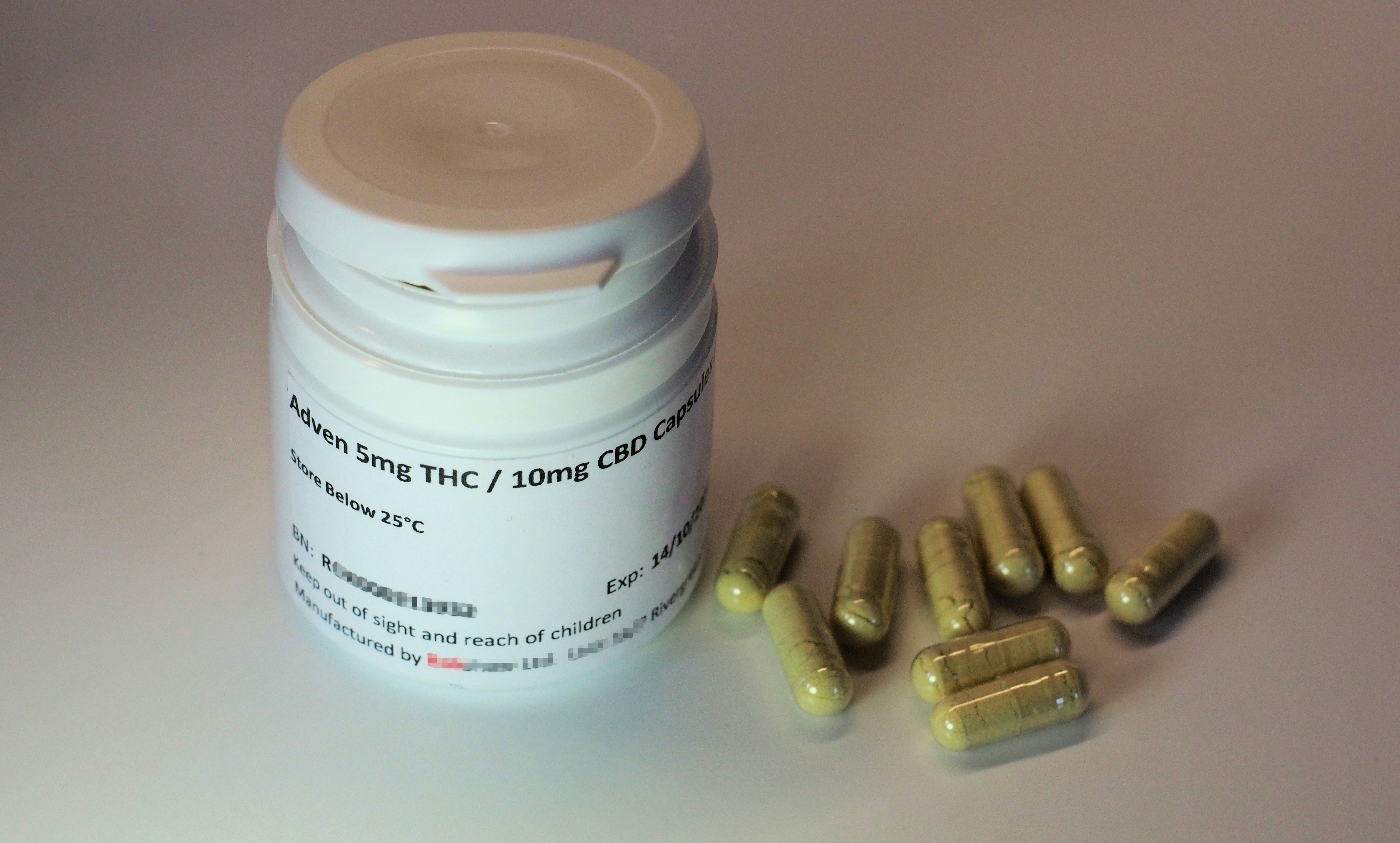
A common low-dose THC range is around 1–2.5 mg for beginners or THC-sensitive consumers, though some people consider 5 mg a low dose depending on tolerance, product type, and setting. The key is not chasing a universal number. Body chemistry, prior cannabis exposure, metabolism, sleep, food intake, and product format can all change the experience.
CBD works differently from THC. It is not considered intoxicating in the same way, so a “microdose” of CBD is less about avoiding euphoria and more about controlled, consistent intake. Some people use CBD on its own, while others prefer products with both CBD and THC. Balanced products may feel different from THC-only products, but they still need careful dosing, especially with edibles.
Why people microdose cannabis
Many consumers are drawn to microdosing because they want cannabis to fit into ordinary life rather than take over the day. A lower-dose approach may appeal to people who want to unwind after work, reduce the chance of overconsumption, or explore cannabis without feeling overwhelmed.
Some consumers report that small amounts of THC feel uplifting, calming, or creatively useful. Others find that even a small amount makes them foggy, distracted, anxious, or less motivated. Both experiences are plausible. Cannabis effects are highly individual, and productivity is especially sensitive to dose, task type, and timing.
For focus-heavy work, low-dose cannabis may be more likely to interfere if the task requires memory, fast decisions, complex problem-solving, or driving. For low-pressure creative work, reflective journaling, music, stretching, or household routines, some people may find a small dose easier to integrate. The practical point is to test cannabis in a low-stakes setting before connecting it to work, caregiving, transportation, or other responsibilities.
Focus, creativity, and productivity
The original appeal of cannabis microdosing often comes from the idea that a small amount of THC can enhance focus without impairment. That claim needs careful framing. Some consumers describe low-dose THC as helping them settle into a task, but THC can also affect attention, reaction time, short-term memory, and decision-making.
A better way to think about microdosing for productivity is to match the dose to the task. If the task requires accuracy, safety, or fast judgment, cannabis may not be the right tool. If the task is creative, repetitive, or reflective, a low dose may feel more compatible for some consumers.
CBD may be a better fit for people who want a non-intoxicating option, but it should not be oversold as a guaranteed focus enhancer. Some people use CBD for stress-related tension, which may indirectly make concentration feel easier. Others may not notice much at all.
For productivity, the most useful microdosing habit is tracking the result. Write down the product, serving size, time consumed, task, and how you felt one to three hours later. Over time, that record is more useful than guessing based on one good or bad experience.
Anxiety, stress, and mood
Cannabis and anxiety have a complicated relationship. Some consumers use low-dose cannabis because they feel calmer with a small amount. Others find that THC, even in modest amounts, can increase nervousness, racing thoughts, or physical unease.
Dose matters, but it is not the only factor. Product potency, THC-to-CBD ratio, setting, tolerance, sleep, caffeine, and a person’s mental health history can all influence the experience. People who are prone to panic, paranoia, or cannabis-induced anxiety may want to be especially cautious with THC-dominant products.
CBD may be appealing because it is non-intoxicating, and research continues to explore its potential role in anxiety. Still, CBD is not a substitute for mental health care, and it should not be presented as a guaranteed treatment. For stress or mood support, microdosing is best framed as a personal wellness experiment, not a medical plan.
Pain, headaches, and physical comfort
Some people microdose cannabis because larger doses make them too sleepy or impaired, while smaller doses may feel easier to fit into daily routines. Chronic pain is one of the better-studied areas of cannabis research, but evidence does not mean every product, dose, or person will respond the same way.
Low-dose THC may be part of a comfort routine for some consumers, while CBD-dominant products may appeal to those who want to avoid intoxicating effects. For headaches, muscle tension, or chronic discomfort, it is important to separate symptom support from treatment claims. Cannabis products may affect how discomfort feels, but persistent or worsening pain should be discussed with a qualified health professional.
Consumers taking prescription medications, managing a medical condition, or using cannabis for a specific health concern should talk with a clinician who understands cannabis before building a routine around it.
Best ways to microdose cannabis
The best product format depends on how precisely someone wants to measure the amount and how quickly they want to feel effects.
Tinctures and oils are popular for microdosing because they allow small, repeatable servings. A labeled dropper can make it easier to track how much THC or CBD is consumed, though label accuracy and product quality still matter.
Low-dose edibles can be convenient, especially when products are clearly labeled by milligrams per serving. The tradeoff is timing. Edibles can take longer to feel and may feel stronger or last longer than expected. Avoid taking more too soon just because effects have not appeared yet.
Vapes and inhaled products can feel faster, which makes it easier for some consumers to stop after a small amount. However, measuring an exact THC amount from inhalation is harder than reading a labeled edible or tincture. Inhalation also carries respiratory considerations, so it may not be the right choice for every consumer.
CBD-dominant products may be useful for people who want to avoid intoxication. Look for clear labeling, a certificate of analysis when available, and a product that states cannabinoid content per serving.
How to build a lower-risk microdosing routine
Start with a clear reason. “I want to feel better” is understandable, but it is too broad to measure. A more useful goal might be “I want to see whether a low-dose edible helps me relax after dinner without making me groggy the next morning.”
Choose one product at a time. Mixing edibles, vapes, tinctures, alcohol, or other substances makes it harder to know what caused the effect. It also increases the chance of an unpleasant experience.
Keep the first test low-stakes. Do not test a new dose before driving, working, exercising heavily, caring for children, or doing anything that requires full attention. Choose a familiar setting and give yourself enough time to notice both the onset and the aftereffects.
Track your response. A simple note can include:
- Product type and cannabinoid ratio
- THC or CBD amount per serving
- Time consumed
- Food, caffeine, alcohol, or other relevant factors
- Mood, focus, comfort, and unwanted effects
- How you felt the next morning
The goal is not to increase the dose quickly. The goal is to find the lowest amount that produces the desired effect, if any, with the fewest unwanted effects.
Common microdosing mistakes
One common mistake is assuming “low dose” means “no impairment.” A low amount of THC can still be too much for someone with low tolerance. Another mistake is redosing edibles too quickly. Because edible effects can be delayed, taking more before the first serving peaks can lead to overconsumption.
Another issue is choosing products based only on total THC. For microdosing, serving size matters more than the package total. A 100 mg package divided into ten pieces is very different from a 100 mg package that is difficult to portion evenly.
Finally, some consumers expect the same dose to feel the same every time. That may not happen. Sleep, food, stress, tolerance, and product variation can all change the experience. Microdosing works best when treated as a careful routine, not a shortcut.
Key takeaways
Cannabis microdosing is a measured, lower-dose approach to THC, CBD, or balanced products. It may help some consumers explore relaxation, mood, creativity, or physical comfort with less risk of feeling overwhelmed, but it does not eliminate the possibility of impairment or unwanted effects.
For THC, start with a very low amount, especially if you are new or sensitive. For edibles, wait long enough before considering more. For CBD, use measured servings and pay attention to medication interactions. For any product, choose regulated, clearly labeled options when available.
Microdosing is most useful when it is intentional. Know what you are testing, keep the setting low-risk, track the results, and stop if the product creates anxiety, fogginess, discomfort, or behavior that does not fit your goals.
Frequently asked questions
Q: What is a cannabis microdose?
A: A cannabis microdose is a small, measured amount of THC, CBD, or both. For THC, many beginners start around 1–2.5 mg, while some consumers with more tolerance may consider 5 mg a low dose.
Q: Can cannabis microdosing improve focus?
A: Some consumers report better focus or creativity with small amounts, but THC can also impair attention, memory, and judgment. It is best tested in a low-stakes setting, not during safety-sensitive work.
Q: Is CBD better than THC for microdosing?
A: CBD is non-intoxicating, so it may be a better fit for people who want to avoid euphoria or impairment. THC may feel more noticeable at small doses, but it carries a higher risk of intoxicating effects.
Q: Are edibles good for microdosing?
A: Edibles can work well when they are clearly labeled and easy to portion. The main caution is delayed onset. Effects may take time to appear, so avoid taking more too quickly.
Q: Should I talk to a doctor before microdosing cannabis?
A: Yes, especially if you use prescription medications, have a medical condition, are pregnant, have a history of psychosis or severe anxiety, or are using cannabis for a health concern.
Sources
- NCCIH, “Cannabis (Marijuana) and Cannabinoids: What You Need To Know”
- Health Canada, “Cannabis: lower your risks”
- Health Canada, “Canada’s lower-risk cannabis use guidelines”
- CDC, “Cannabis Frequently Asked Questions”
- National Academies, “Health Effects of Cannabis and Cannabis-Derived Products Presented in New Report”
- NCBI Bookshelf, “Therapeutic Effects of Cannabis and Cannabinoids”
- NCCIH, “When Taken Orally, Δ9-Tetrahydrocannabinol With Cannabidiol Can Result in Stronger Drug Effects Than Δ9-Tetrahydrocannabinol Alone”