Appearance
How to Make Cannabis-Infused Honey
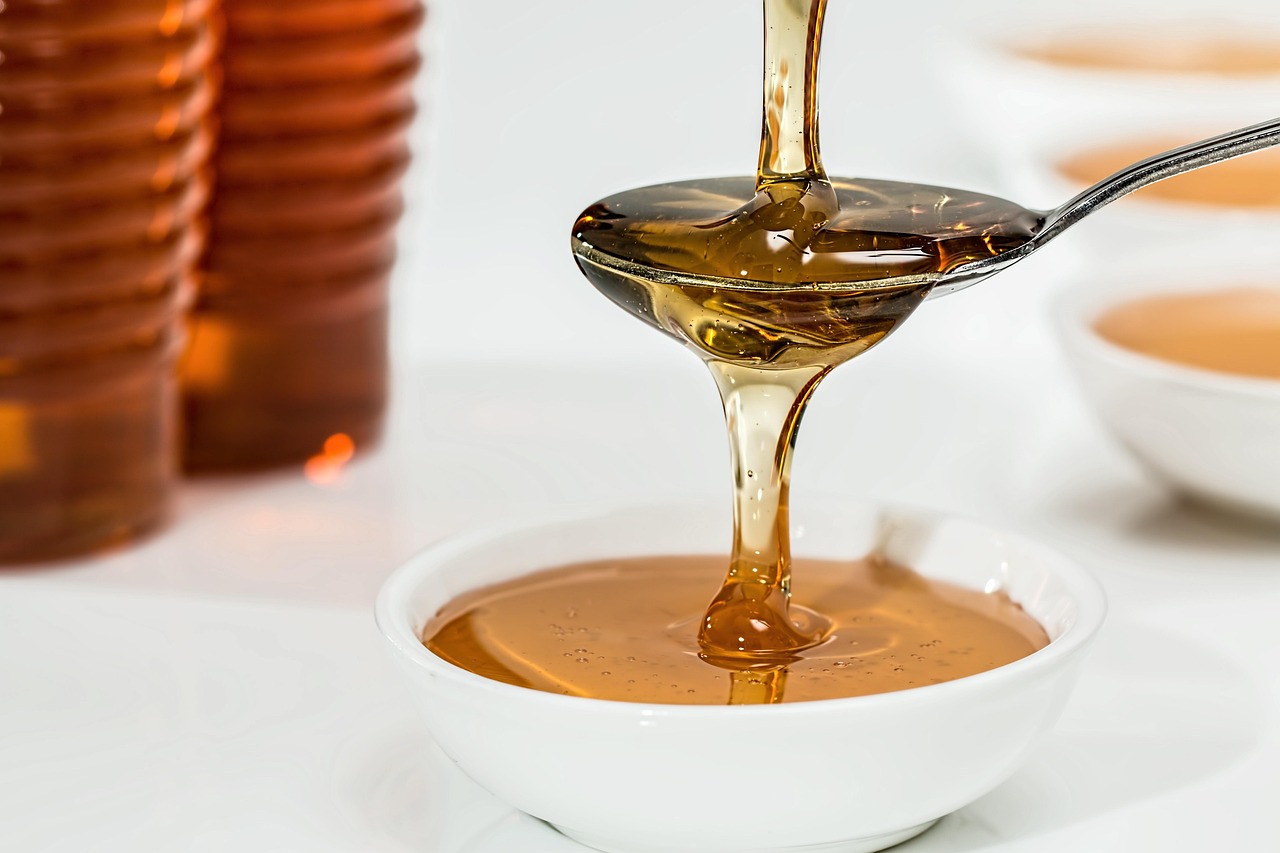
Cannabis-infused honey is one of those kitchen projects that sounds fancier than it is. At its simplest, it is honey gently warmed with decarboxylated cannabis so cannabinoids can move into the sweetener. The result can be stirred into tea, drizzled over toast, blended into a vinaigrette, or used anywhere a spoonful of honey makes sense.
The important part is not just making it taste good. Homemade infused foods can be unpredictable because the potency depends on the cannabis, the amount used, how evenly it is mixed, and how much honey counts as one serving. That does not mean cannabis honey is off-limits for home cooks, but it does mean the process deserves more care than a standard pantry recipe.
This guide walks through a simple small-batch method, explains where dosing can get tricky, and shows how to store infused honey clearly and securely.
What is cannabis-infused honey?
Cannabis-infused honey is honey that has been warmed with decarboxylated cannabis flower or a cannabis ingredient so some cannabinoids can transfer into the honey mixture. THC-dominant flower can produce intoxicating effects. CBD-dominant flower may be non-intoxicating, although the final experience still depends on the product, cannabinoid profile, and any THC present.
Honey itself is not a fat, and cannabinoids bind more readily to fats than to water-based ingredients. Because of that, some home cooks add a small amount of infused oil, lecithin, or another fat-based carrier to improve consistency. This recipe keeps the method simple, but it is worth knowing that honey infusions can vary more than infused butter or oil.
The best use for cannabis honey is as a measured finishing ingredient. Think tea, yogurt, oatmeal, biscuits, sauces, mocktails, marinades after cooking, or a light drizzle over fruit. Avoid using it in a recipe where the honey will be exposed to high heat for a long time, since heat can affect flavor and may change the infused ingredient.
Ingredients and equipment
For a beginner-friendly small batch, start with a modest amount. You can always make another batch later.
Ingredients
- 1 cup honey
- 1 gram decarboxylated cannabis flower, THC-dominant, CBD-dominant, or balanced
- Optional: 1 teaspoon infused coconut oil or another food-safe oil to help disperse cannabinoids
Equipment
- Baking sheet and parchment paper for decarb
- Oven thermometer, if available
- Double boiler or slow cooker
- Silicone spatula or spoon
- Cheesecloth or fine mesh strainer
- Clean glass jar with a tight lid
- Label or masking tape for dating and warning
Step-by-step method
1. Decarboxylate the cannabis
Decarboxylation, often shortened to decarb, is the heating step that converts acidic cannabinoids in raw flower into forms more commonly associated with edible effects. Break the cannabis into small pieces and spread it in a thin layer on a parchment-lined baking sheet.
Bake at about 220°F for 30 to 40 minutes, checking occasionally and gently moving the flower if needed. The goal is dry, lightly toasted cannabis, not scorched plant material. Let it cool before adding it to honey.
2. Warm the honey gently
Set up a double boiler with water simmering below the top bowl, or use a slow cooker on a low setting. Add the honey to the bowl or cooker and warm it gently. Keep the heat low and steady. Honey can darken, lose delicate flavor, or become unpleasantly thick if overheated.
Add the decarboxylated cannabis and stir well. If you are using a small amount of oil as a carrier, stir it in now.
3. Infuse low and slow
Keep the mixture warm for 2 to 3 hours, stirring every 20 to 30 minutes. Try to keep the temperature in the 160°F to 180°F range. A gentle infusion is better than rushing with higher heat.
The honey should stay fluid enough to stir. If it gets too thick, reduce the heat. If water from the double boiler is evaporating quickly, top it off carefully so the pot does not run dry.
4. Strain the plant material
Place cheesecloth over a fine mesh strainer and set it over a clean bowl or jar. Pour the warm honey through slowly. Let gravity do most of the work. Squeezing the cheesecloth can push more plant particles into the finished honey and may make it taste more herbal or bitter.
Transfer the strained honey into a clean glass jar. Label it immediately with the date, “contains cannabis,” and whether the batch was made with THC, CBD, or a balanced product.
How to think about serving size
Homemade cannabis honey is not lab-tested, so it should not be treated as precisely dosed. Even if you know the THC or CBD percentage of the flower, home infusion is not perfectly efficient, and cannabinoids may not distribute evenly through the jar.
For a cautious first serving, use a very small amount, such as a fraction of a teaspoon, and wait before considering more. Edible effects can be delayed and may feel stronger or last longer than inhaled cannabis. Taking more too soon is one of the easiest ways to have an uncomfortable experience.
Stir the jar well before each use, especially if you added oil or notice any separation. Use the same measuring spoon each time so you can better understand how the batch feels for you.
How to use cannabis honey
Cannabis honey works best when it is added after cooking or used in low-heat preparations. Try it in:
- Warm tea or herbal tea after it has cooled slightly
- Yogurt, oatmeal, or chia pudding
- Toast, biscuits, cornbread, or pancakes
- Salad dressings and vinaigrettes
- Glazes added near the end of cooking
- Lemonade or alcohol-free cocktails
Be careful when pairing infused honey with alcohol or other intoxicating substances. Combining substances can make effects harder to predict and may increase impairment.
Potential benefits and realistic limits
The biggest benefit of cannabis honey is convenience. It gives consumers a simple way to add an infused ingredient to foods and drinks without making a full batch of brownies, gummies, or baked goods.
It is also flexible. A THC-dominant honey may appeal to adults looking for an intoxicating edible format, while CBD-dominant honey may appeal to people who prefer non-intoxicating cannabis products. Balanced products can feel different from THC-only or CBD-only preparations, but effects vary widely by person and product.
The original version of this article described cannabis honey as having anti-inflammatory effects. That claim needs more careful framing. Cannabinoids are being studied for many possible effects, but homemade cannabis honey should not be presented as a treatment, cure, or guaranteed wellness product. Use it as an infused food, not as a replacement for medical care.
Storage and safety
Store cannabis-infused honey in a sealed glass jar in a cool, dark place. If you added oil or other ingredients, refrigeration may help preserve quality, although it can make honey thicker and harder to pour. Use a clean spoon every time to avoid introducing crumbs, water, or other contaminants.
Label the jar clearly. Do not store it in a regular honey bottle or anywhere someone could mistake it for a standard sweetener. Keep it locked away and out of sight of children and pets.
Infused foods can look ordinary, which is part of the risk. If a child or pet consumes cannabis honey, contact poison control, a veterinarian, or emergency services as appropriate. Do not wait for symptoms if a child has consumed a THC-containing product.
Key takeaways
Cannabis-infused honey is a simple, versatile edible ingredient, but it should be made and stored with intention. Decarb matters, low heat protects flavor, and clear labeling is not optional.
The safest approach is to make small batches, use measured servings, wait for delayed effects, and treat homemade potency as an estimate rather than a guarantee. A jar of infused honey can be useful in the kitchen, but it belongs in the same safety category as any other infused edible: clearly labeled, securely stored, and approached slowly.
Frequently asked questions
Q: How long does cannabis-infused honey last?
A: Plain honey can keep for a long time when stored properly, but homemade infusions depend on cleanliness, added ingredients, and storage conditions. For best quality, use a clean spoon, keep the jar sealed, and consider using the batch within a few months.
Q: Can I make cannabis honey with CBD instead of THC?
A: Yes. CBD-dominant flower or a CBD ingredient can be used, but check the product’s certificate of analysis when available. Some CBD products contain small amounts of THC, and homemade infusions are not precisely dosed.
Q: Can I cook or bake with cannabis honey?
A: You can, but it is usually better as a finishing ingredient. High heat can affect flavor and may make dosing harder if the honey is spread across a large recipe.
Q: Why did my infused honey separate?
A: Separation can happen when oil or plant compounds do not stay evenly mixed in honey. Stir well before each serving and measure carefully.
Q: Is cannabis honey stronger than other edibles?
A: Not automatically. Potency depends on the cannabis, the amount used, infusion efficiency, serving size, and how your body responds to edibles.
Sources
- CDC, “Cannabis and Poisoning”
- CDC, “Cannabis Frequently Asked Questions”
- FDA, “FDA Warns Consumers About the Accidental Ingestion by Children of Food Products Containing THC”
- FDA, “FDA Regulation of Cannabis and Cannabis-Derived Products, Including Cannabidiol (CBD)”
Further Reading
- The Science of Cannabis Decarboxylation: Why It’s Important for Edibles
- How to Properly Dose Cannabis Edibles
- Cannabis Cooking Mistakes to Avoid
- How to Cook with Cannabis: A Beginner’s Guide to Infusions
- The Best Oils and Fats for Cannabis Infusion: Which Works Best?