Appearance
DIY Cannabis Topicals
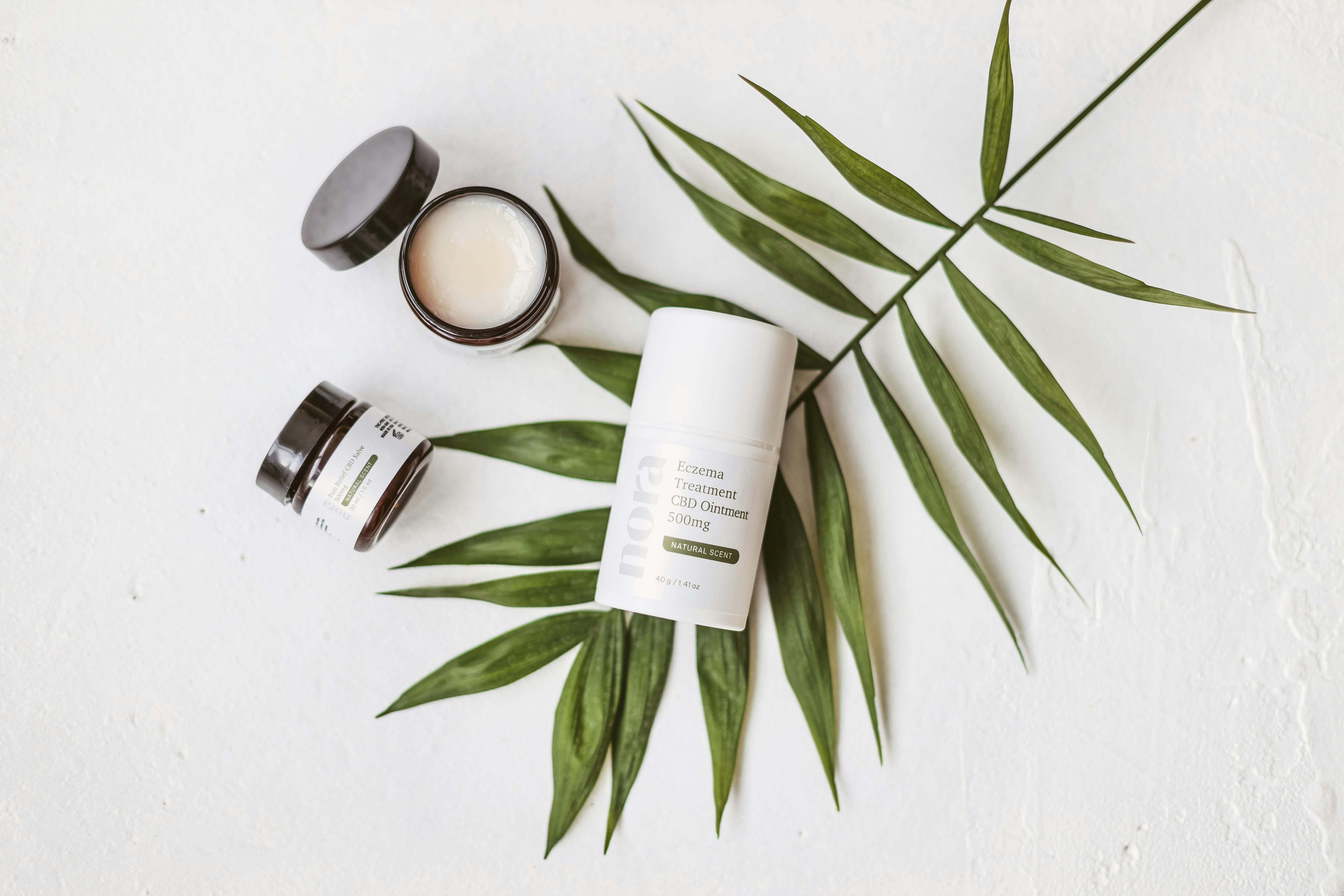
Cannabis topicals are one of the most approachable ways to explore cannabis in a wellness routine. Instead of inhaling or ingesting cannabinoids, you apply a balm, salve, lotion, or cream directly to the skin.
For many people, the appeal is simple: topicals feel familiar. They fit into the same category as muscle rubs, body butters, massage oils, and skin-care balms. They can be applied to a specific area, adjusted easily, and used without the same kind of whole-body intoxicating effects associated with inhaled or edible THC products.
That does not mean every topical works the same way, or that a homemade balm can replace medical care. A thoughtful DIY topical starts with realistic expectations, clean ingredients, careful labeling, and a basic understanding of what cannabis-infused oils can and cannot do.
Why people use cannabis topicals
Cannabis topicals are usually made by blending an infused oil with skin-friendly ingredients like coconut oil, shea butter, cocoa butter, beeswax, or plant-based wax. The result can range from a firm balm to a softer lotion-style product, depending on the ratio of oil, wax, and water-based ingredients.
People often use topicals for targeted comfort, especially after exercise, long hours at a desk, or everyday muscle tension. Some consumers also use CBD-forward topical products as part of a skin-care routine. Research into cannabinoids and the skin is still developing, so it is better to frame these products as wellness tools rather than guaranteed treatments.
One major reason topicals are popular is that they are applied locally. A balm rubbed into the shoulder, wrist, knee, or lower back is meant to stay focused on that area. Most traditional topicals are not designed to create euphoria, especially when they are used on intact skin and not formulated as transdermal products.
That distinction matters. A topical sits on or near the surface of the skin. A transdermal product is designed to carry active compounds through the skin and into the bloodstream. Homemade balms are usually topical, not transdermal, unless they include specialized delivery ingredients and testing to support that claim.
How cannabis topicals work on the skin
The skin has its own local endocannabinoid activity, and researchers are studying how cannabinoids may interact with skin, nerves, oil glands, and inflammatory pathways. That is part of why CBD, THC, and other cannabinoids have become common ingredients in balms, lotions, and skin-care products.
For a home maker, the practical takeaway is more modest: cannabinoids can be infused into fats and oils, then blended into a product that spreads over the skin. The oil base matters because cannabinoids are fat-soluble, meaning they work well in ingredients like coconut oil, olive oil, MCT oil, or other carrier oils.
Topicals may also feel soothing because of non-cannabis ingredients. Coconut oil can make a balm glide. Beeswax helps it stay in place. Menthol, lavender, eucalyptus, arnica, or other botanicals may affect scent or skin feel, though essential oils can also irritate sensitive skin. A well-made topical is not just “cannabis plus oil.” It is a balanced formula that feels good, applies cleanly, and does not overpromise.
Avoid applying cannabis topicals to broken skin, burns, rashes, or open wounds unless a clinician has specifically cleared that product for that purpose. If you have a diagnosed skin condition, take medications, are pregnant, or have sensitive skin, it is smart to ask a qualified health professional before adding a new cannabis product to your routine.
Before you start: choose your infused oil
The easiest way to make a homemade balm is to start with cannabis-infused oil. You can make your own infused oil or use a prepared infused oil from a regulated source where available. Either way, remember that homemade infusions are not precisely dosed unless they are tested.
If you make the oil yourself, decarboxylation is usually part of the process. Decarboxylation, often shortened to decarb, uses heat to convert cannabinoid acids into more active forms. In edible recipes, this step is important because the final product is swallowed. For topicals, decarb is still commonly used because many recipes are designed around THC or CBD in their more familiar active forms.
For a beginner-friendly topical, consider the goal before choosing the infusion:
- CBD-forward oil is a common choice for people who want a non-intoxicating topical.
- THC-containing oil may be used in adult-use or medical markets where legal, but it should be labeled clearly and stored securely.
- Balanced CBD:THC oil may appeal to experienced consumers, but it still needs careful labeling and responsible storage.
If the topical contains THC, do not treat it casually just because it goes on the skin. Keep it away from children, pets, and anyone who might mistake it for regular lotion.
Simple cannabis balm recipe
This recipe makes a firm, oil-based balm. It does not include water, which makes it easier for beginners because water-based lotions usually require preservatives and more careful formulation.
Ingredients
- 1 cup cannabis-infused carrier oil
- 1/4 cup coconut oil or shea butter
- 1/4 cup beeswax pellets or grated beeswax
- Optional: 5–10 drops skin-safe essential oil
- Optional: 1 teaspoon vitamin E oil
Equipment
- Double boiler or heat-safe bowl set over a pot of simmering water
- Silicone spatula or spoon
- Clean tins or jars with lids
- Labels
- Paper towels or a clean cloth for spills
Instructions
Prepare your containers.
Make sure jars or tins are clean and completely dry. Set them near your work area before melting the balm.Melt the wax and base oil gently.
Add the beeswax and coconut oil or shea butter to a double boiler. Warm over low heat until fully melted. Avoid high heat, which can affect texture and may degrade delicate ingredients.Stir in the cannabis-infused oil.
Add the infused oil and stir until the mixture looks uniform. Keep the heat low and steady.Add optional ingredients.
Remove the mixture from heat before adding essential oils or vitamin E. Essential oils are concentrated, so use them sparingly and choose oils known to be appropriate for skin.Pour and cool.
Carefully pour the balm into tins or jars. Let it cool uncovered until firm, then add lids.Label clearly.
Include the date, ingredients, and whether the balm contains THC, CBD, or both. If you do not know the potency, say so on the label.
How to adjust the texture
A good balm should be firm enough to hold its shape but soft enough to melt slightly when rubbed between your fingers. If your first batch is not perfect, you can adjust it.
For a firmer balm, remelt it gently and add a little more beeswax. For a softer balm, add more carrier oil. Shea butter creates a creamier feel, while coconut oil can make the balm feel lighter but may soften in warm rooms.
Do not add water, aloe vera juice, hydrosols, or tea to this basic recipe unless you understand preservative systems. Once water enters a homemade lotion, spoilage becomes a bigger concern. Oil-only balms are simpler and more forgiving for home projects.
How to apply a cannabis topical
Start with a small amount. Rub the balm into a targeted area, then wait to see how your skin responds. More product does not always mean better results, and greasy overapplication can make the product less pleasant to use.
For sensitive skin, do a patch test first. Apply a tiny amount to a small area, such as the inside of the wrist or forearm, and wait before using it more broadly. Stop using the balm if you notice burning, itching, redness, swelling, or irritation.
Avoid eyes, mucous membranes, and broken skin. Wash your hands after applying the balm, especially if it contains essential oils, menthol-like ingredients, or THC. Do not use homemade topicals before driving or operating equipment if there is any chance the product could cause unexpected effects for you.
Storage and safety
Homemade cannabis balms should be stored like other infused products: clearly labeled, tightly closed, and kept away from children and pets. A locked cabinet is better than a bathroom shelf or kitchen counter.
Keep the balm in a cool, dry place. Heat can soften the texture, and moisture can shorten shelf life. If the balm changes color, smells rancid, grows visible mold, or develops an unusual texture, discard it.
Because homemade infusions are not lab-tested, avoid making precise potency claims. Even if you know how much cannabis went into the oil, the final cannabinoid content can vary based on flower potency, decarb conditions, infusion time, straining, and loss during preparation.
Common mistakes to avoid
The biggest mistake with DIY cannabis topicals is treating them like medical products. A balm can be a useful part of a comfort routine, but it should not be marketed or relied on as a cure for arthritis, eczema, psoriasis, chronic pain, or any other condition.
Another common mistake is using too much essential oil. More scent does not make a balm better. Essential oils can irritate skin, especially on the face, neck, or other sensitive areas. If you use them, choose skin-safe options and keep the amount low.
Finally, do not skip the label. A jar of infused balm can look almost identical to an ordinary salve. Clear labeling protects everyone in the household and helps you remember what you made.
Practical takeaways
Cannabis topicals can be a simple, customizable way to add cannabis-infused products to a wellness routine. The best homemade versions are modest, clearly labeled, and made with skin-friendly ingredients.
Use an oil-only balm recipe if you are new to DIY formulation. Keep expectations realistic, especially around pain and skin conditions. Apply to intact skin, patch test first, and store the finished product securely.
A good DIY topical does not need to be complicated. It just needs to be made carefully, used thoughtfully, and described honestly.
Frequently asked questions
Q: Will a homemade cannabis topical cause intoxicating effects?
A: Most basic homemade balms are intended for localized application and are not designed to produce intoxicating effects. However, products containing THC should still be labeled clearly and stored securely.
Q: Can I use cannabis topical balm on eczema or psoriasis?
A: Do not treat a homemade balm as a medical treatment for a diagnosed skin condition. If you have eczema, psoriasis, open skin, infection, or a recurring rash, ask a qualified health professional before applying cannabis products.
Q: How long does homemade cannabis balm last?
A: Shelf life depends on the ingredients, cleanliness, storage conditions, and whether any water was added. Oil-only balms generally keep better than water-based lotions, but discard the product if it smells rancid, changes texture, or shows signs of spoilage.
Q: Can I make this recipe vegan?
A: Yes. Replace beeswax with a plant-based wax such as candelilla wax, but use less at first because plant waxes can create a firmer texture.
Q: Should I refrigerate cannabis topicals?
A: Refrigeration is not always necessary for oil-only balms, but cool storage can help preserve texture in warm rooms. Keep the container tightly closed and away from moisture.
Sources
- FDA, “What You Need to Know About Products Containing Cannabis or Cannabis-Derived Compounds, Including CBD”
- FDA, “Warning Letters for Cannabis-Derived Products”
- Makhakhe, “Topical cannabidiol (CBD) in skin pathology”
- Patel et al., “Safety and Sourcing of Topical Cannabinoids”
- FTC, “Making CBD health claims? Careful before disseminating”
Further Reading
- The Best Oils and Fats for Cannabis Infusion: Which Works Best?
- The Science of Cannabis Decarboxylation: Why It’s Important for Edibles
- Cannabis and Skin Care: Potential Benefits and Uses
- THC vs. CBD for Pain Management: Which Works Best?