Appearance
How Cannabis Laws Compare Around the World
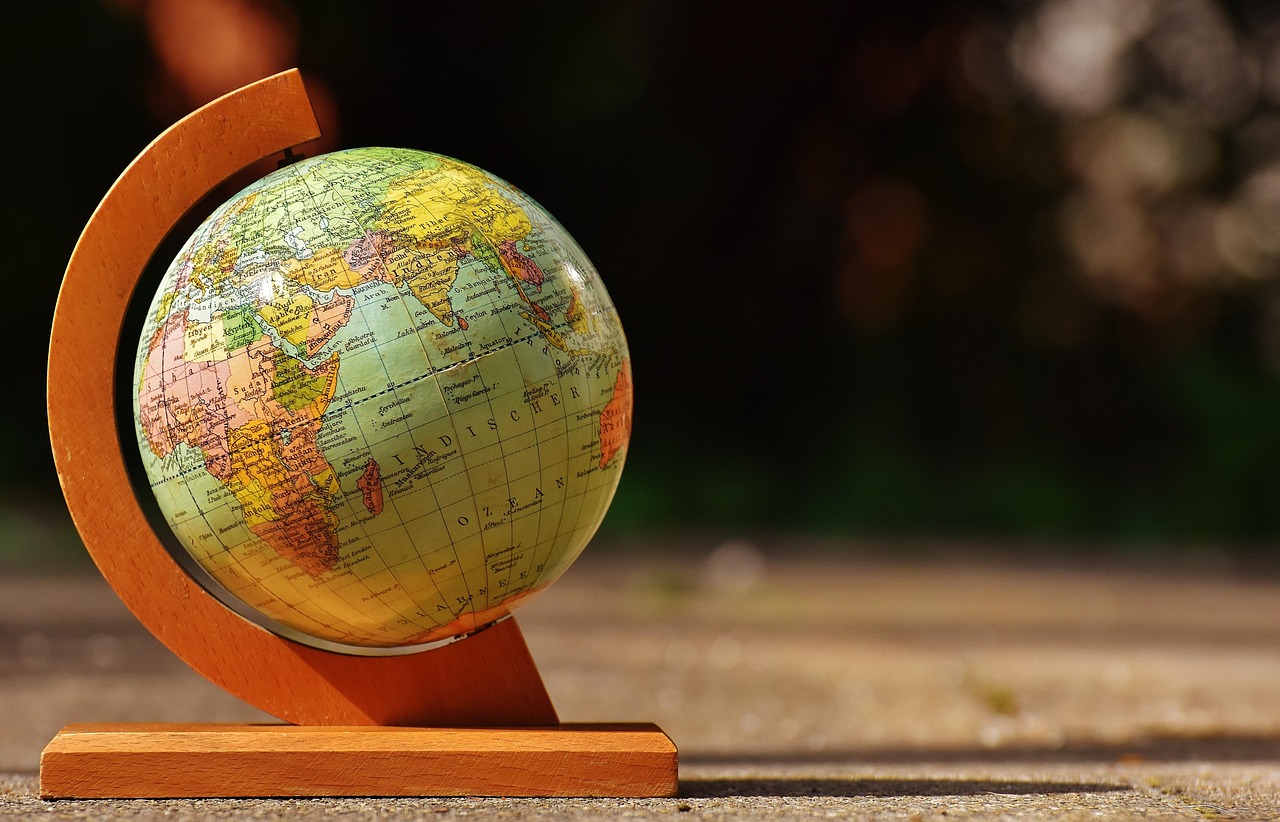
Cannabis laws can look completely different from one border to the next. In one country, adults may be able to buy regulated products from licensed retailers. In another, only certain patients can access cannabis-based medicines through a specialist doctor. Somewhere else, possession may still carry severe criminal penalties.
That variation matters for consumers, patients, travelers, businesses, and anyone trying to understand where cannabis policy is headed. “Legal” is not one global category. It can mean adult-use legalization, limited medical access, decriminalization, home cultivation rights, government-controlled sales, nonprofit clubs, or narrow prescription pathways.
This comparison looks at several major policy models around the world and explains what each one means in practice.
The main cannabis policy models
Most countries fall into one of four broad categories: adult-use legalization, medical-only legalization, decriminalization, or prohibition. These categories can overlap, and the details matter.
Adult-use legalization allows adults to possess or consume cannabis under a regulated system. Canada, Uruguay, and Germany are important examples, but their systems are not identical. Canada has licensed commercial sales, Uruguay uses a more state-controlled access model, and Germany began with personal possession, home cultivation, and nonprofit cultivation associations rather than a broad retail market.
Medical cannabis legalization allows cannabis-based products for patients, usually through a prescription or special access pathway. The United Kingdom and Australia both allow medical cannabis, but access is more restricted than in many U.S. state programs or Canada’s adult-use market.
Decriminalization reduces or removes criminal penalties for possession of small amounts, but it does not necessarily create a legal supply chain. This distinction is important. A country may stop treating personal possession as a serious criminal offense while still prohibiting commercial sales.
Prohibition continues to criminalize possession, consumption, cultivation, import, or sale. Penalties vary widely, but countries such as Singapore maintain especially strict drug laws.
Countries with national adult-use legalization
Canada is one of the clearest examples of national adult-use legalization. Its Cannabis Act created a federal framework for production, distribution, sale, and possession, while provinces and territories control many retail and consumption details. That means a visitor may find legal cannabis stores in Canada, but age limits, store models, public consumption rules, and purchasing options still vary by province or territory.
Uruguay was the first country to legalize cannabis at the national level, but its model is very different from Canada’s. Uruguay built a controlled system based on registered access, including pharmacies, home cultivation, and cannabis clubs. The country’s system has historically limited legal purchase access to residents, which is a reminder that legalization does not always mean cannabis tourism is allowed.
Germany has become one of Europe’s most important cannabis policy examples. As of 2024, adults can possess limited amounts and cultivate a small number of plants for personal consumption, and nonprofit cultivation associations are part of the framework. Germany’s approach is not the same as a North American-style dispensary market. It is more cautious, phased, and shaped by European Union legal constraints.
The key lesson from these countries is that adult-use legalization can take several forms. A legal market may be commercial, state-controlled, nonprofit, home-grow-centered, or some combination of those models.
Medical-only systems: access without full adult-use markets
Many countries have moved faster on medical cannabis than adult-use legalization. These systems often focus on prescription access, physician oversight, and specific product standards rather than open retail sales.
In the United Kingdom, cannabis remains a controlled drug for non-prescribed consumption, but cannabis-based medicines can be prescribed by specialist doctors when clinically appropriate. NHS access is limited, and many patients who seek medical cannabis do so through private specialist care. This creates a legal pathway, but not broad consumer access.
Australia also allows medical cannabis through regulated access pathways. Many products are accessed through the Therapeutic Goods Administration’s Special Access Scheme or Authorised Prescriber pathway, especially when products are not otherwise registered as standard medicines. Patients generally need a medical practitioner to assess whether the treatment is appropriate.
Medical-only legalization can be meaningful for patients, but it is not the same as adult-use legalization. It usually does not allow casual adult purchasing, tourism sales, or nonmedical home cultivation. It also tends to put more responsibility on clinicians, regulators, and product quality controls.
Decriminalization is not the same as legalization
Decriminalization is often discussed as a step toward legalization, but the two terms should not be used interchangeably.
When a country decriminalizes possession of small amounts, it may reduce arrests, jail exposure, or criminal records for personal possession. But unless the country also creates legal production and sales channels, consumers may still be pushed toward unregulated supply. That can leave unresolved questions about product testing, age controls, labeling, taxation, and business licensing.
Mexico is a useful example of why the distinction matters. Mexico’s Supreme Court has recognized protections for adult personal cannabis consumption, and medical cannabis has a legal framework. However, a full nationwide commercial adult-use market has not been implemented in the same way as Canada’s. The result is a legal environment that is more complex than a simple “legal” or “illegal” label suggests.
For readers tracking global reform, decriminalization is best understood as a change in enforcement and personal-use penalties, not proof that a regulated cannabis industry exists.
Countries with strict prohibition
Some countries continue to treat cannabis as a serious criminal matter. Singapore is one of the clearest examples. Its Central Narcotics Bureau describes cannabis as a Class A controlled drug and lists severe penalties for possession, consumption, and trafficking.
China also maintains strict drug-control rules, and illicit cannabis possession, trafficking, and cultivation can carry serious legal consequences. While industrial hemp activity exists in some contexts, that should not be confused with legal adult-use cannabis access.
For travelers, this is where caution matters most. A product purchased legally in Canada, Germany, Thailand, or a U.S. state may still be illegal at a destination or during border crossing. Legal access in one jurisdiction does not travel with the product.
What global reform trends show
The global direction is not uniform, but several patterns are clear.
First, more countries are separating medical access from adult-use legalization. Governments may allow certain cannabis-based medicines while keeping nonmedical consumption illegal.
Second, adult-use legalization is becoming more varied. Canada’s commercial retail model is not the only path. Uruguay’s resident-focused system and Germany’s cultivation-association model show that countries are experimenting with different ways to control supply, limit youth access, and reduce illicit-market dependence.
Third, tourism remains complicated. Some legal countries allow tourists to buy cannabis through licensed retailers, while others restrict legal access to residents. Even where purchase is allowed, taking cannabis across an international border is usually illegal.
Finally, policy can change quickly. Cannabis laws are often shaped by elections, court rulings, public-health debates, treaty concerns, and local enforcement priorities. Any country-specific decision should be checked against current government guidance before travel, investment, medical access, or cultivation.
Practical takeaways
Cannabis policy is global, but cannabis law is local. Before assuming a country is “legal,” ask a more specific question: legal for whom, for what purpose, in what amount, through what supply channel, and under which regulator?
For consumers and travelers, the safest assumption is that legal purchase, possession limits, public consumption rules, and border rules are separate issues. For businesses, legalization does not automatically mean commercial licenses are available. For patients, medical cannabis access may depend on diagnosis, clinician approval, product type, and national health rules.
The future of cannabis regulation is likely to stay uneven. More countries may expand medical access, experiment with decriminalization, or test limited adult-use models. But strict prohibition remains in place in many regions, and the difference between a regulated product and a criminal offense can still be one border crossing.
Frequently asked questions
Q: Which country was the first to legalize adult-use cannabis nationally?
A: Uruguay was the first country to legalize cannabis at the national level, with legislation passed in 2013.
Q: Can tourists buy cannabis in countries where it is legal?
A: Sometimes, but not always. Canada generally allows adults, including visitors, to buy from licensed retailers where provincial or territorial rules allow. Uruguay’s legal access system has historically focused on registered residents, not tourists.
Q: Is medical cannabis legal in more countries than adult-use cannabis?
A: Yes. Many countries have medical cannabis pathways without allowing adult-use sales or nonmedical possession.
Q: Does decriminalization mean cannabis stores are legal?
A: No. Decriminalization may reduce penalties for possession, but it does not necessarily create licensed production, testing, or retail sales.
Q: Can someone travel internationally with legally purchased cannabis?
A: In general, no. Cannabis may be legal where it was purchased and still illegal to carry across international borders or into another country.
Sources
- Government of Canada, “Cannabis Legalization and Regulation”
- Health Canada, “Cannabis laws and regulations”
- Germany Federal Ministry of Health, “Frequently asked questions on the Cannabis Act”
- NHS, “Medical cannabis”
- UK Government, “Medicinal cannabis: information and resources”
- Therapeutic Goods Administration, “Medicinal cannabis”
- Singapore Central Narcotics Bureau, “Singapore’s anti-drug laws on Cannabis”
- Singapore Central Narcotics Bureau, “Cannabis”
- CMS Expert Guide, “Cannabis law and legislation in Mexico”
- CMS Expert Guide, “Cannabis law and legislation in China”
Further Reading
- The Future of Cannabis Tourism: How the Industry is Expanding
- The Rise of Cannabis Tourism: Best 420-Friendly Destinations
- Understanding the Differences Between Medical and Recreational Cannabis
- How Cannabis Legalization Impacts Crime Rates
- Cannabis Legalization and Expungement: What It Means for Past Offenders