Appearance
Meditation, Mindfulness, and Cannabis
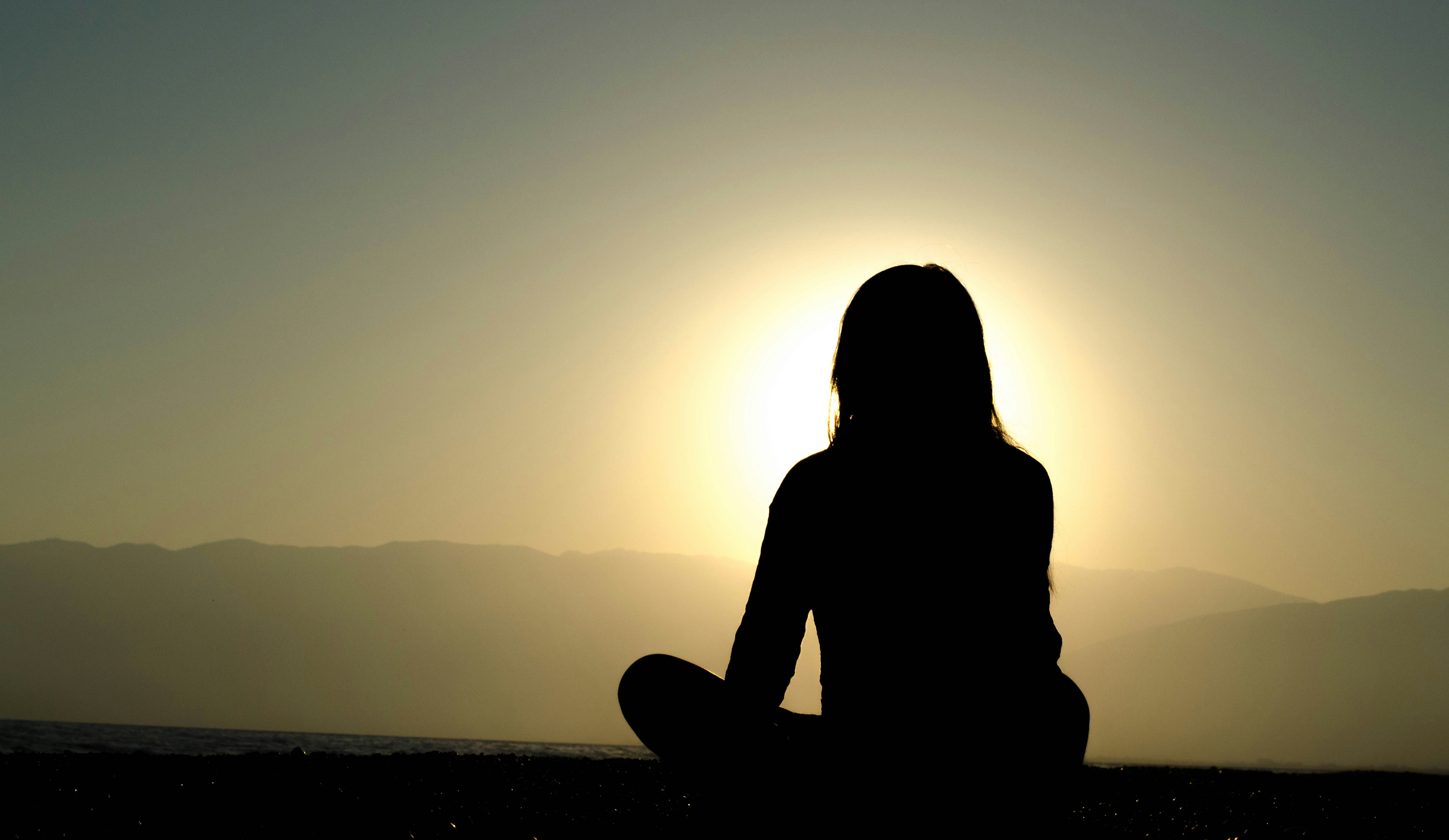
Cannabis and meditation can feel like a natural pairing for some people: one may soften mental noise, while the other gives the mind something steady to return to. But that does not mean cannabis automatically makes meditation deeper, more spiritual, or more effective.
A more useful way to think about it is this: cannabis can change your attention. Sometimes that shift feels calming, sensory, and reflective. Other times it can make thoughts louder, make the body feel restless, or turn a quiet sit into an anxious one. The difference often comes down to intention, setting, product type, THC potency, timing, and your own relationship with cannabis.
This guide is for adults who already have legal access to cannabis and want to explore it as part of a mindful routine. It is not a medical recommendation, a treatment plan, or a shortcut around the practice itself. The goal is to help you approach cannabis-assisted meditation with more care, less guesswork, and a better sense of when not to use it.
Cannabis does not replace the practice
Meditation is not about forcing the mind to go blank. In many mindfulness practices, the point is to notice what is happening in the present moment without immediately judging it, chasing it, or pushing it away. That might mean paying attention to the breath, body sensations, sounds in the room, or the movement of thoughts.
Cannabis can influence that experience, but it does not do the core work for you. A calming product may make it easier to settle into the first few minutes. A sensory-forward cultivar may make music, breathing, or body awareness feel more vivid. A CBD-forward product may feel less intoxicating than a high-THC option. Still, the meditation comes from the way you relate to your attention, not from the product alone.
This matters because a cannabis session without intention can easily become passive consumption. You may sit down planning to meditate and end up scrolling, snacking, or chasing a stronger effect. There is nothing wrong with relaxing, but it is different from mindfulness. If your goal is meditation, make the practice the anchor and cannabis the optional support.
A simple test helps: before consuming, ask, “What am I practicing today?” The answer can be small. “Ten minutes of breathing.” “A body scan before bed.” “Noticing anxious thoughts without arguing with them.” That one sentence gives the session a shape.
How cannabis may support a mindful session
Some adults report that cannabis helps them slow down, notice sensations, or transition out of a busy day. That can be useful for practices built around breath awareness, gentle stretching, sound meditation, journaling, or body scans.
The most common potential benefit is not “better meditation” in a universal sense. It is a change in state. For some people, that shift can make the body feel more available and the mind less hurried. A low-intensity cannabis experience may help create a ritual boundary between the rest of the day and a period of stillness.
Cannabis may also heighten sensory attention. You might notice the texture of a blanket, the sound of your breathing, the feeling of your feet on the floor, or the subtle tension in your jaw. For body-based meditation, that can be helpful. For thought-heavy meditation, it can sometimes become distracting.
There is also a possible emotional effect. Some people find that cannabis makes self-reflection feel more open or less defended. Others find the opposite: THC can intensify worry, self-consciousness, or rumination. That is why the best approach is exploratory rather than assumptive. Notice what cannabis actually does for your practice, not what you hoped it would do.
Product choice matters more than strain names
The original version of this article recommended specific strains such as Blue Dream, Harlequin, and Northern Lights. Those names are familiar, but strain-based advice can be unreliable. A product sold under the same strain name may vary by grower, batch, terpene profile, THC potency, CBD content, freshness, and testing standards.
For meditation, the label usually matters more than the name. Look for:
- THC potency: Higher THC can increase intoxication and may increase the chance of anxiety or distraction for some people.
- CBD-to-THC ratio: CBD-forward or balanced products may feel gentler for some consumers than high-THC products.
- Product type: Flower, vape products, tinctures, and edibles can feel different and have different timing.
- Certificate of analysis: In regulated markets, a COA can help confirm cannabinoid potency and contaminant testing information.
- Your own history: A product that helped a friend relax may not work the same way for you.
If you want a calmer meditation session, avoid choosing only by reputation. “Indica,” “sativa,” and “hybrid” can be useful retail shorthand, but they do not guarantee a specific experience. A low-potency product you know well is usually a better choice than a new high-THC product with a relaxing-sounding name.
Start with less than you think you need
For mindfulness, more cannabis is rarely the better choice. Too much THC can pull attention away from the practice and toward the intensity of the effects. That may show up as racing thoughts, dry mouth, restlessness, sleepiness, time distortion, or anxiety.
A lower-dose approach gives you more room to stay present. If you are new to cannabis, returning after a long break, or trying a new product, keep the session simple. Choose a familiar environment, avoid mixing cannabis with alcohol or other substances, and do not plan to drive, work, supervise children, or handle safety-sensitive tasks afterward.
Timing also matters. Inhaled cannabis usually has a faster onset than edibles, which can make it easier to gauge the effect before beginning. Edibles can be harder to use for meditation because the effects may be delayed and longer-lasting. If an edible feels mild at first, taking more too soon can lead to an uncomfortable session later.
For many people, the best meditation dose is not the amount that creates the strongest euphoria. It is the smallest amount that lets the body soften while the mind remains workable.
A simple cannabis-assisted meditation routine
Start before you consume. Set up the room, choose the practice, silence notifications, and decide how long you will sit. This prevents the session from becoming a loose plan that disappears once the effects begin.
Choose a short practice window. Ten to fifteen minutes is enough, especially when experimenting. Longer sessions can be valuable, but they are not necessary for learning how cannabis affects your attention.
After consuming, wait until you can clearly sense the effect before starting. Then sit or lie down in a stable position. Keep your posture comfortable but intentional. You do not need to look like a meditation teacher; you just need to be able to breathe easily and remain alert.
Try this structure:
- Take three slow breaths and notice where your body touches the floor, chair, or cushion.
- Name your intention in plain language: “I am practicing staying with the breath.”
- Bring attention to one anchor: breath, sound, body sensation, or a repeated phrase.
- When your attention wanders, notice the wandering without making it a problem.
- Return to the anchor gently.
- End by asking, “What did I notice?”
That last question is important. It keeps the session reflective. You might notice that a certain product made body awareness easier, or that THC made your thoughts feel too sticky. Both are useful information.
Match the practice to the effect
Not every meditation style pairs well with every cannabis experience. Instead of forcing one method, match the practice to the state you are in.
If the cannabis feels calming and clear, breath meditation may work well. Follow the inhale and exhale without trying to control them too much. When thoughts appear, label them lightly as “thinking” and return to breathing.
If the body feels relaxed or heavy, try a body scan. Move attention slowly from the feet to the face, noticing tension, warmth, pressure, or pulsing. This can be especially useful in the evening when the goal is decompression rather than productivity.
If sensory details feel vivid, try sound meditation. Let nearby sounds come and go without ranking them as pleasant or annoying. Music can work too, but choose something that supports attention rather than taking over the session.
If the mind feels emotionally open, journaling after meditation may be more useful than trying to analyze everything during the sit. Keep the meditation simple, then write a few lines afterward about what came up.
If the cannabis feels too strong, do not force a formal practice. Open your eyes, drink water, change rooms, breathe slowly, and remind yourself that the effects will pass. Grounding is still mindfulness.
When cannabis may not be the right fit
Cannabis is not the right meditation tool for everyone. Skip cannabis-assisted meditation if cannabis tends to make you anxious, paranoid, emotionally overwhelmed, or disconnected from your body. Also avoid it if you are pregnant or breastfeeding, under the legal age, driving, on call for caregiving or safety-sensitive work, or managing a personal or family history of psychosis without medical guidance.
Be especially cautious if you are using cannabis to avoid feelings rather than observe them. Mindfulness can involve discomfort. Cannabis may soften that discomfort, but it can also become a way to bypass it. If you notice that you cannot meditate, sleep, relax, or sit with emotions without cannabis, it may be worth taking a break or speaking with a qualified health professional.
Cannabis can also interact with some medications and health conditions. If you use prescription medications or have concerns about anxiety, depression, substance use, heart health, or other medical issues, talk with a clinician who can give individualized guidance.
Common mistakes to avoid
The biggest mistake is using too much THC and expecting meditation to fix the discomfort. Meditation can help you stay grounded, but it will not erase overconsumption.
Another common mistake is trying a new product right before a serious practice, ceremony, class, or emotionally intense session. New products are better tested in low-pressure settings.
It is also easy to confuse intensity with insight. A session can feel profound because cannabis changes perception, but the real value is what remains useful afterward. Did the practice help you understand your body, your habits, your emotions, or your attention more clearly? Did it support your life outside the session? Those questions matter more than how dramatic the experience felt.
Finally, avoid making cannabis mandatory. If every meditation session requires consumption, the ritual can become narrow. Try alternating cannabis-assisted sessions with cannabis-free ones. That comparison will teach you more than either approach alone.
Key takeaways
Cannabis may support meditation for some adults by shifting attention, softening tension, or making body awareness feel more accessible. It can also distract, intensify anxiety, or make mindfulness harder, especially with high-THC products or unfamiliar formats.
For a lower-risk approach, keep the dose low, use a familiar product, choose a calm environment, avoid mixing substances, and build the session around a clear intention. Product labels, THC potency, CBD-to-THC ratio, and your own response matter more than strain names.
The best cannabis-assisted meditation practice is not the most intense one. It is the one that helps you stay present, learn something honest, and return to your day with more clarity.
Frequently asked questions
Q: Is cannabis good for meditation?
A: It depends on the person, product, dose, and setting. Some adults find that cannabis supports relaxation or body awareness, while others find that it increases distraction or anxiety.
Q: What type of cannabis is best for mindfulness?
A: There is no universally best strain or product. For many people, lower-THC, CBD-forward, or balanced products are easier to work with than high-THC products, but individual responses vary.
Q: Should I use edibles before meditating?
A: Edibles can be difficult to time because effects may be delayed and longer-lasting. If you use them, avoid taking more too soon and choose a low-pressure setting.
Q: Can cannabis make anxiety worse during meditation?
A: Yes. THC can increase anxiety or paranoia for some people, especially at higher doses or with unfamiliar products. If that happens, pause the practice and use grounding techniques instead.
Q: Do I need cannabis to meditate?
A: No. Cannabis is optional. Many people benefit from meditation without cannabis, and alternating cannabis-free sessions with cannabis-assisted sessions can help you understand what is actually supporting your practice.
Sources
- NCCIH, “Meditation and Mindfulness: Effectiveness and Safety”
- NCCIH, “8 Things to Know About Meditation and Mindfulness”
- Canadian Centre on Substance Use and Addiction, “Knowing Your Limits with Cannabis”
- Lower-Risk Cannabis Use Guidelines, “A Comprehensive Update of Evidence and Recommendations”
- Harvard Health Publishing, “If You Use Cannabis, Do It Safely”
Further Reading
- The Best Cannabis Strains for Focus and Productivity
- Cannabis and Mental Health: Can It Help with Anxiety and Depression?
- Cannabis Microdosing: How Small Doses Can Impact Health and Productivity
- How to Microdose Cannabis: A Guide to Low-Dose THC and CBD Use
- The Difference Between Indica, Sativa, and Hybrid Strains