Appearance
Best Soil Mix for Growing Cannabis at Home
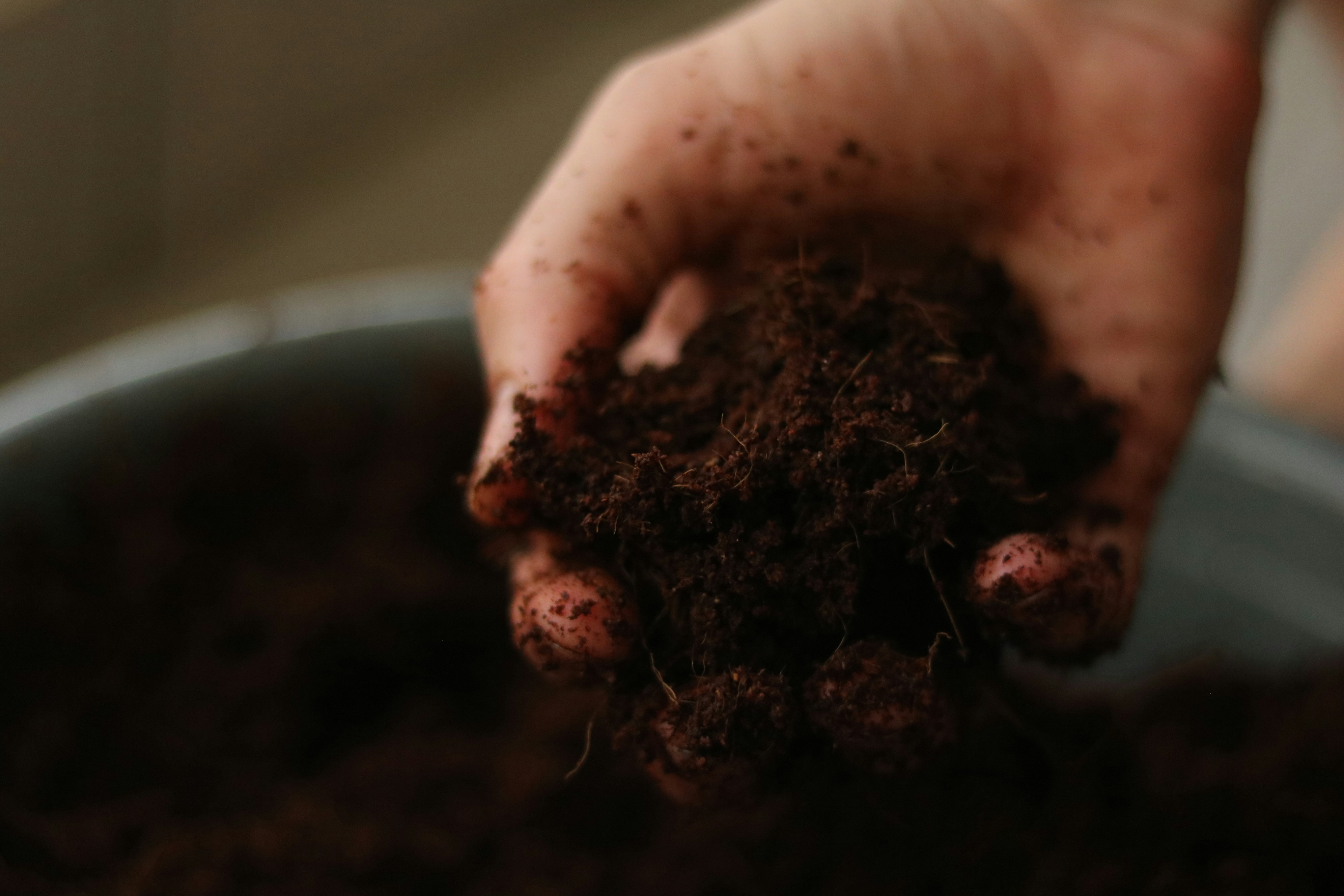
Good cannabis soil does more than hold a plant upright. It gives roots enough air, enough moisture, and enough available nutrients to support steady growth from seedling to harvest. A weak mix can stay too wet, compact around the roots, or swing out of balance once feeding begins. A better mix gives the grower more room to correct small mistakes before they become plant-wide problems.
For home growers, the best soil mix is usually light, well-draining, biologically active, and easy to monitor. That does not mean it has to be complicated. A simple, balanced mix with compost, worm castings, aeration material, and a stable pH range can support healthy plants without turning the grow into a chemistry project.
Before starting any home cultivation project, confirm that home growing is allowed where you live. Cannabis laws vary by state, province, country, municipality, lease, and housing arrangement. Plant-count limits, visibility rules, caregiver rules, and medical-only exceptions can all affect what is allowed.
What Cannabis Soil Needs to Do
A cannabis root zone needs three things at the same time: air, water, and access to nutrients. Too much of one usually causes problems with the others. A dense soil can hold water but push out oxygen. A mix that drains too quickly can leave the plant thirsty and underfed. A mix with too much amendment can burn young plants or make nutrient problems harder to read.
The goal is not to build the “hottest” or richest soil possible. The goal is to build a soil that keeps roots active. Healthy roots should spread through the container, grip the medium, and avoid sitting in stagnant moisture. When you water, the pot should take in moisture evenly and drain without leaving a swampy layer at the bottom.
A good soil mix also gives the grower feedback. If the container stays heavy for days, the mix may be too dense or the plant may not be drinking enough. If it dries out within hours, the container may be too small, the environment may be too warm, or the mix may need more moisture-holding material. Watch the pot, not just the calendar.
Core Ingredients in a Strong Cannabis Soil Mix
A reliable cannabis soil starts with a base medium. Many growers use a peat-based or coco-based potting mix, often blended with compost and aeration material. Peat can hold moisture well, while coco coir tends to stay light and airy. Both can work, but they behave differently with watering and nutrient management.
Aeration material is what keeps the root zone from packing down. Perlite is common because it creates air pockets and helps water move through the container. Pumice and rice hulls can also support structure. The exact ingredient matters less than the result: the soil should feel loose, not muddy or brick-like.
Organic matter brings the mix to life. Compost and worm castings can improve texture and add slow nutrient value. They also support microbial activity, which matters most in organic-style growing. Go easy, especially with seedlings. A mix can be biologically rich without being overloaded.
Nutrient amendments should be used with care. Ingredients like bat guano, bone meal, blood meal, kelp meal, fish meal, and mineral amendments can support plant growth, but they are not all interchangeable. Some are high in nitrogen, some support phosphorus or potassium, and some are used more for trace minerals or soil conditioning. More is not always better. Over-amending can create nutrient burn, salt buildup, or pH drift.
A Simple DIY Cannabis Soil Mix
A beginner-friendly soil mix should be light enough to drain, rich enough to support early growth, and mild enough that young plants are not shocked by concentrated nutrients. One practical starting point is:
- 40% high-quality organic potting soil or base medium
- 25% compost or worm castings
- 25% aeration material, such as perlite or pumice
- 10% coco coir or another structure-supporting material
This is a starting framework, not a universal recipe. If the mix stays wet too long, increase aeration. If it dries too quickly, add more compost, coco, or moisture-holding base medium. If seedlings look stressed, start them in a lighter seed-starting mix and transplant into richer soil once the root system is stronger.
For living soil or “super soil” approaches, growers often amend the soil in advance and let it sit before planting. This resting period gives amendments time to begin breaking down and can make the mix less harsh on roots. Still, a heavily amended soil is not automatically better. It requires planning, container size, and careful watering.
Store-Bought Soil Mixes: What to Look For
Store-bought soil can be the easiest option for a first home grow. A quality pre-mixed soil saves time and reduces the risk of measuring amendments incorrectly. It can also provide a more consistent starting point, especially for growers who do not have access to good compost.
Look for a mix that drains well, lists its ingredients clearly, and is designed for container growing. Avoid dense outdoor topsoil, heavy garden soil, or bargain mixes that turn muddy after watering. Cannabis grown in containers needs structure and airflow. Soil that works in a garden bed may perform poorly in a pot.
Some commercial soils are lightly amended and expect the grower to feed later. Others are heavily amended and may carry the plant for several weeks. Read the label and watch the plant. Pale leaves, burnt tips, slow growth, and persistent drooping can all point to root-zone or nutrient issues, but those symptoms can overlap. Check watering habits and environment before assuming the soil is the only problem.
pH, Watering, and Nutrient Availability
For soil-grown cannabis, a slightly acidic to neutral pH range is commonly recommended. Many cultivation references place soil or hemp production around roughly 6.0 to 7.0, though container substrates and soilless mixes can have narrower targets depending on the system. The practical point is simple: when pH drifts too far out of range, nutrients may be present in the soil but harder for the plant to access.
Do not chase pH numbers every day. Test your water, test runoff occasionally if you are seeing problems, and make adjustments gradually. Big swings can stress the plant more than the original issue. If you are using a living soil system, be especially careful with harsh pH-adjusting products that may disrupt the biology you are trying to support.
Watering technique matters as much as the mix itself. Water thoroughly enough that the root zone is evenly moistened, then let the container dry back before watering again. The top inch of soil, the weight of the pot, and the plant’s posture all give clues. A plant that droops in heavy, wet soil is sending a different message than a plant that droops in a light, dry pot.
DIY vs. Pre-Mixed Soil
DIY soil gives you control. You can adjust aeration, compost quality, amendment strength, and moisture retention based on your grow space. It also helps you learn how each ingredient affects the plant. The tradeoff is that DIY mixes require more planning, better measurement, and patience.
Pre-mixed soil is more convenient. It is often the better choice when you are learning how cannabis plants respond to watering, light, and container size. The downside is that you may not know exactly how strong the nutrient charge is unless the label is clear. Some mixes need feeding sooner than expected; others may be too rich for seedlings.
Neither option guarantees better flower, bigger yield, or higher potency. Genetics, lighting, environment, watering, pest pressure, harvest timing, drying, and curing all affect final quality. Soil is the foundation, but it is only one part of the grow.
Common Soil Mistakes to Avoid
Using regular garden soil in containers is one of the most common beginner mistakes. Garden soil can compact, drain poorly, bring in pests, or hold too much moisture indoors. If you want to use outdoor soil, it should be tested, amended, and blended for container performance rather than scooped straight into a pot.
Another common mistake is adding too many amendments at once. If a plant struggles in an overloaded mix, it can be hard to know which ingredient caused the problem. Start mild, observe the plant, and build complexity only when you understand what each input is doing.
Poor drainage is another quiet problem. A container should have drainage holes, and the soil should not stay soggy at the bottom. If roots sit in low-oxygen conditions, the plant may slow down, yellow, or become more vulnerable to root problems. The fix is usually better aeration, better watering habits, or a container size that matches the plant.
Key Takeaways
The best cannabis soil mix is not the richest mix on the shelf. It is the mix that keeps roots healthy, drains well, holds enough moisture, and supports steady nutrient access.
For most home growers, a strong starting point includes a quality potting base, compost or worm castings, and plenty of aeration. Keep pH in a reasonable soil range, water by observation instead of habit, and avoid promising yourself guaranteed results from any single recipe.
A good soil mix gives the plant a stable foundation. The rest comes from light, environment, genetics, timing, and the grower’s ability to notice what the plant is saying.
Frequently Asked Questions
Q: Can I use regular garden soil for cannabis?
A: It is usually not the best choice for containers. Garden soil can be too dense, drain poorly, or bring in pests. A lighter container mix with added aeration is usually easier to manage.
Q: What is the best organic soil amendment for cannabis?
A: Compost and worm castings are useful starting points because they support soil structure and add mild nutrient value. Stronger amendments can be useful, but they should be measured carefully.
Q: What pH should cannabis soil be?
A: Soil-grown cannabis is commonly managed around a slightly acidic to neutral range, often about 6.0 to 7.0. Soilless systems may use different targets, so match pH management to the medium.
Q: Is DIY soil better than store-bought soil?
A: Not always. DIY soil gives more control, while store-bought soil is easier and more consistent for beginners. The better choice depends on your experience, space, budget, and willingness to monitor the grow.
Q: Does better soil guarantee better flower?
A: No. Good soil supports plant health, but final quality also depends on genetics, light, environment, harvest timing, drying, and curing.
Sources
- Utah State University Extension, “Ten Frequently Asked Questions About Growing Cannabis”
- Agronomy, “Growing Mediums for Medical Cannabis Production in North America”
- Penn State Extension, “Correcting Nutritional Disorders in Greenhouse Crops”
- National Conference of State Legislatures, “Cannabis Overview”
Further Reading
- Organic vs. Synthetic Nutrients: What’s Best for Growing Cannabis?
- How to Grow Cannabis at Home Legally
- Home Cultivation Laws: What Growers Need to Know
- How to Prevent and Treat Mold on Cannabis Plants
- Maximizing Cannabis Yields: Best Techniques for Bigger Harvests