Appearance
What Cannabis Brands Can and Can’t Say
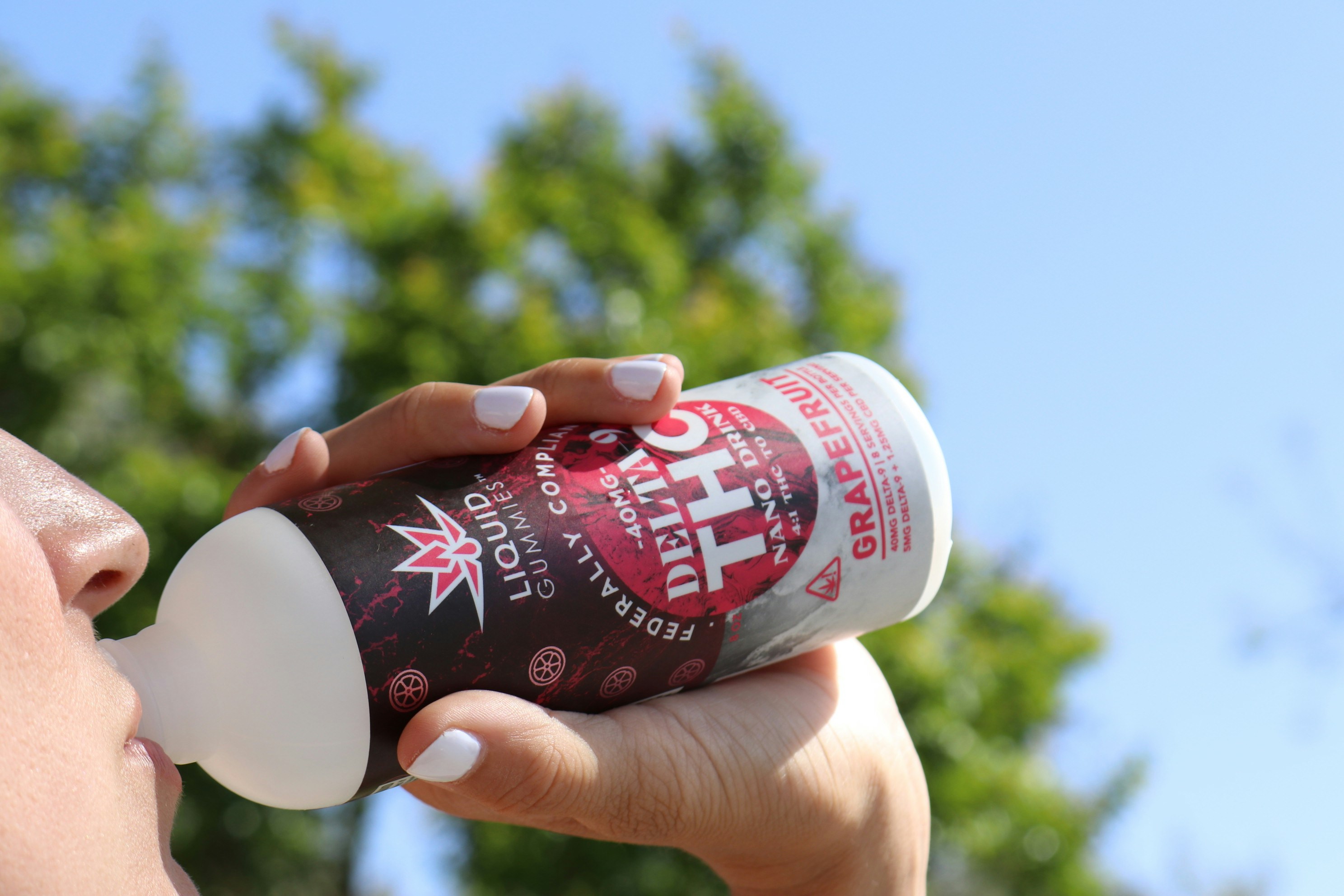
Cannabis advertising has to do more than catch attention. It has to survive a compliance review.
A dispensary, cannabis brand, delivery service, CBD company, or hemp-derived product business may be licensed in one market and still face strict limits on what it can say, where an ad can run, who can see it, and whether a claim implies a health benefit. A phrase that sounds ordinary in skincare, supplements, beverages, or wellness marketing can become risky when cannabis, THC, CBD, or hemp-derived intoxicating products are involved.
The safest starting point is simple: cannabis marketing should be truthful, adult-focused, jurisdiction-specific, and careful with health claims. The harder part is applying that rule across state cannabis regulations, local ordinances, federal consumer protection standards, platform policies, influencer posts, events, packaging, and landing pages.
This guide explains the main advertising limits cannabis businesses should understand before launching a campaign. It is general education, not legal advice. Rules vary by state, product type, license category, platform, and local market, so current regulator guidance should be reviewed before publishing or buying media.
Why Cannabis Advertising Is More Restricted Than Ordinary Marketing
Cannabis businesses operate in a layered legal environment. State law may allow licensed cannabis sales, but that does not mean a business can promote cannabis the same way another retailer promotes shoes, coffee, or cosmetics. Federal law, state cannabis rules, local advertising limits, payment and media policies, and platform standards can all shape the final campaign.
Most cannabis advertising restrictions are built around a few practical goals: keeping marketing truthful, limiting exposure to people who are underage, reducing youth appeal, preventing unverified medical claims, keeping promotions inside lawful jurisdictions, and making paid endorsements clear to consumers.
For cannabis businesses, the ad is only one piece of the review. Regulators and platforms may also look at the landing page, product packaging, audience targeting, location data, hashtags, influencer captions, event signage, discount language, images, and implied claims.
That means risk can show up in places that do not look like formal advertising. A wellness post that says “CBD for anxiety,” a billboard placed too close to a youth-focused location, an edible package that resembles candy, or an influencer video without a clear sponsorship disclosure can all create different compliance problems.
Health Claims Are the Highest-Risk Claims
The most common advertising mistake in cannabis is treating wellness language as harmless.
Claims that a cannabis, CBD, or hemp-derived product can cure, treat, prevent, diagnose, or relieve a disease or health condition can trigger scrutiny from federal agencies, state regulators, and platforms. This includes direct claims such as “treats arthritis,” but it can also include softer signals: customer testimonials, before-and-after stories, disease hashtags, product pages organized around medical conditions, or influencer posts that describe a product as a health solution.
The same problem can appear in indirect language. Words such as “doctor recommended,” “clinically proven,” “pharmaceutical grade,” “safe,” “risk-free,” or “guaranteed relief” can imply a level of approval, testing, or scientific support that a business may not have.
A more careful cannabis ad focuses on verifiable product and access information. Depending on state rules and platform policy, that may include license status, store location, product category, cannabinoid content, serving size, lab testing requirements, product format, or responsible access information. It should not turn those facts into a disease claim.
Instead of saying:
- “This edible treats insomnia.”
- “CBD cures inflammation.”
- “Our tincture is proven for chronic pain.”
- “Delta-8 is a natural anxiety treatment.”
A compliance review should ask:
- Does this claim mention or imply a health condition?
- Is the claim supported by appropriate evidence?
- Is the claim allowed by the state cannabis regulator?
- Does the landing page make a stronger claim than the ad?
- Could testimonials, hashtags, or creator content create the same claim indirectly?
The practical rule is not “never educate.” It is to separate education from medical promises. A brand can explain product categories, responsible consumption, lab testing, ingredient information, and legal access without claiming that a product treats a condition.
Age Restrictions and Youth Appeal
Most adult-use cannabis advertising rules are built around adult audiences. In many U.S. adult-use markets, that means cannabis ads should be directed only to adults who are legally old enough to buy cannabis in that jurisdiction, commonly people 21 and older.
Age compliance affects both placement and creative. Depending on the state or locality, cannabis ads may be limited near schools, playgrounds, childcare centers, youth centers, public parks, or other places where children are likely to be present. Digital campaigns may need age-gating, geographic limits, and audience data showing that the expected audience is primarily adults.
Youth appeal is a separate concern. An ad can be placed in an adult-targeted channel and still be risky if the creative looks designed for children or teens. That risk is higher when marketing edible, beverage, or hemp-derived intoxicating products that resemble familiar consumer foods.
Creative choices that commonly raise concern include cartoon characters, candy-like imagery, packaging that mimics mainstream snacks, youth-oriented memes, teen-focused influencer audiences, and giveaways that encourage sharing beyond an age-gated audience.
For edible and beverage brands, the issue is not just tone. If a product looks like candy, soda, chips, cereal, or another familiar food, regulators and public-health agencies may view the marketing as misleading, youth appealing, or unsafe. Clear labeling, adult-focused design, and secure storage messaging are especially important when products could be mistaken for ordinary food.
Digital Advertising: Platform Rules Can Be Stricter Than State Law
Digital advertising is one of the hardest areas for cannabis brands because platform policy can be narrower than the law in a licensed state market.
A product may be lawful for sale through a licensed dispensary and still be rejected by a major ad platform. Platforms also change policies, use automated review systems, review landing pages, and apply different rules depending on product type, target location, certification status, and whether the content is paid or organic.
As of this update, Google’s advertising policy continues to prohibit ads for many recreational drug-related products and services, while allowing only limited CBD advertising under specific conditions. Google states that ads for topical, hemp-derived CBD products with THC content of 0.3% or less may be allowed, and advertisers must meet certification and targeting requirements in approved locations.
TikTok’s advertising policy treats healthcare, hemp, and CBD products as restricted categories. For U.S. CBD advertising, TikTok lists requirements that include working with a TikTok sales representative, complying with applicable law, providing LegitScript certification, restricting ads to audiences 25 and older, and limiting allowed examples to topical hemp products containing less than 0.3% THC. Other CBD products are not allowed under that policy language.
Meta’s ad standards also restrict drug-related advertising and set requirements for cannabis-derived products. Because these policies can change and enforcement can depend on ad content, landing pages, account history, and market, cannabis businesses should review current platform rules before every paid campaign.
Organic social media is not risk-free either. Accounts can be limited, removed, age-restricted, or lose visibility if content appears to promote prohibited sales, encourage unsafe conduct, make medical claims, or violate restricted-goods policies. A safer digital strategy usually separates education from direct promotion: explain store policies, legal access, product formats, responsible consumption, lab testing basics, and local rules without making prohibited sales or health claims.
Influencers, Partnerships, and Endorsements
Influencer marketing can work for cannabis brands, but it adds another compliance layer.
The Federal Trade Commission expects endorsements to be truthful and not misleading. If a creator has a material connection to a brand, that relationship should be disclosed clearly. Payment is the obvious example, but free products, affiliate commissions, store credit, event access, gifts, or other benefits can also matter.
For cannabis businesses, disclosure is only the starting point. The influencer’s content also needs to follow cannabis advertising rules. A creator should not make unverified medical claims, target underage audiences, show unsafe consumption behavior, imply that a product is legal where it is not, or make claims the brand could not legally make itself.
A practical influencer review process should include:
- Written disclosure requirements
- Approved product facts and prohibited claim lists
- Age-appropriate audience expectations
- Limits on disease, cure, treatment, safety, and legality claims
- Pre-publication review when possible
- Records of approvals, campaign instructions, and disclosures
A compliant influencer post is not just one with “#ad” added at the end. The disclosure should be easy to notice, and the content itself should stay within legal, platform, and brand-safety boundaries.
Print, Outdoor, Events, and Local Advertising
Traditional media can look easier than social media, but it has its own restrictions.
Billboards, print ads, direct mail, event sponsorships, podcasts, radio, local publications, and in-store promotions may be allowed in some markets and limited in others. The central questions are usually the same: where will the ad appear, who is likely to see it, what does it claim, and does the business have the right license for the product and market?
Outdoor and event advertising can be especially location-sensitive. A billboard that works in one city may violate another locality’s placement rules. A festival sponsorship may need age controls or may be inappropriate if the expected audience includes too many people under 21. Direct mail may require careful geographic targeting, adult audience controls, and required disclaimers.
Promotions also need review. Discounts, loyalty offers, coupons, contests, sweepstakes, and giveaways can raise state-specific concerns. Some jurisdictions restrict free cannabis promotions, certain inducements, or advertising that encourages excessive consumption.
The safest approach is to review local rules before designing the creative, not after the media buy is already placed.
What Cannabis Businesses Should Avoid Saying
Cannabis advertising rules vary, but some claims and creative choices are consistently risky.
Avoid claims that say or imply:
- The product cures, treats, prevents, diagnoses, or relieves a disease.
- The product is “safe,” “risk-free,” or appropriate for everyone.
- Cannabis improves driving, school performance, work performance, or athletic performance.
- The product is legal everywhere.
- Higher THC automatically means a better product.
- The product is FDA-approved unless that is specifically true.
- The product has guaranteed effects.
- Consumers can avoid drug testing, workplace rules, law enforcement, or other legal consequences.
Also avoid creative that appeals to children, mimics popular food packaging, encourages overconsumption, or suggests consumption in unsafe settings.
For many brands, the strongest compliant messaging focuses on what can be verified: license status, location, product category, cannabinoid content where allowed, responsible access, store experience, brand values, testing requirements, and consumer education.
A Practical Compliance Checklist Before Publishing an Ad
Before a cannabis ad goes live, review it from four angles.
First, check the jurisdiction. Is the ad reaching only places where the business is licensed and the product can lawfully be sold? Are there state or local rules for signage, billboards, events, disclaimers, direct mail, delivery marketing, or proximity to youth-focused locations?
Second, check the audience. Is the campaign age-gated where needed? Does the media placement have reliable adult audience data? Could the creative itself appeal to children or teens?
Third, check the claims. Does the ad make a medical, therapeutic, safety, potency, legality, or performance claim? Can the business support every express and implied claim, including claims made through testimonials, imagery, hashtags, or linked pages?
Fourth, check the platform. Does the ad comply with the current policies for Google, Meta, TikTok, email, SMS, affiliate partners, publishers, marketplaces, or local media? Does the landing page follow the same standards as the ad itself?
A compliant cannabis campaign is not built around one approval. It is built around documentation, current rules, cautious claims, and a review process that treats advertising as regulated communication.
Key Takeaways
Cannabis advertising is possible, but it is not casual. The strongest marketing strategies are specific, truthful, adult-focused, and tailored to the rules of each market and platform.
Businesses should avoid unverified health claims, youth-oriented creative, broad legality claims, undisclosed influencer relationships, and platform workarounds. They should also treat digital ads, organic posts, events, print, outdoor media, direct mail, and creator campaigns as part of the same compliance system.
Good cannabis marketing does not need to overpromise. It should help adults understand the brand, the product category, the store experience, and the rules for responsible legal access.
Frequently Asked Questions
Q: Can cannabis businesses advertise on Google and Facebook?
A: Paid cannabis advertising is heavily restricted on major platforms. Google allows only limited CBD advertising under specific certification, product, and location requirements. Meta restricts drug-related ads and sets requirements for cannabis-derived products. Platform rules should be reviewed before each campaign.
Q: Can cannabis brands make health claims?
A: Cannabis brands should be very cautious with health claims. Claims that a product cures, treats, prevents, diagnoses, or relieves a health condition can trigger FTC, FDA, state regulator, and platform concerns unless properly supported and legally allowed.
Q: Are influencer posts treated like ads?
A: They can be. If a creator is paid, receives free products, earns commissions, gets store credit, or has another material connection to the brand, that relationship should be clearly disclosed. The post also needs to avoid prohibited cannabis claims and youth-targeted promotion.
Q: What is the safest way for dispensaries to market?
A: Many dispensaries focus on compliant local SEO, accurate store information, age-appropriate educational content, permitted email or loyalty programs, and carefully reviewed partnerships. The best strategy depends on state law, local rules, license type, and platform policy.
Sources
- Federal Trade Commission, “Health Products Compliance Guidance”
- Federal Trade Commission, “Endorsements, Influencers, and Reviews”
- Federal Trade Commission, “FTC’s Endorsement Guides: What People Are Asking”
- Food and Drug Administration, “Warning Letters for Cannabis-Derived Products”
- Food and Drug Administration, “FDA Regulation of Cannabis and Cannabis-Derived Products, Including Cannabidiol (CBD)”
- Google Ads Help, “Recreational drugs”
- Meta Transparency Center, “Drugs and Pharmaceuticals”
- TikTok Advertising Policies, “Healthcare and Pharmaceuticals”
Further Reading
- Cannabis Branding Strategies: How Companies Stand Out in a Crowded Market
- The Impact of Federal Legalization on Cannabis Businesses
- How Different Countries Regulate Cannabis: A Global Comparison