Appearance
Cannabis Tolerance and Reset Breaks
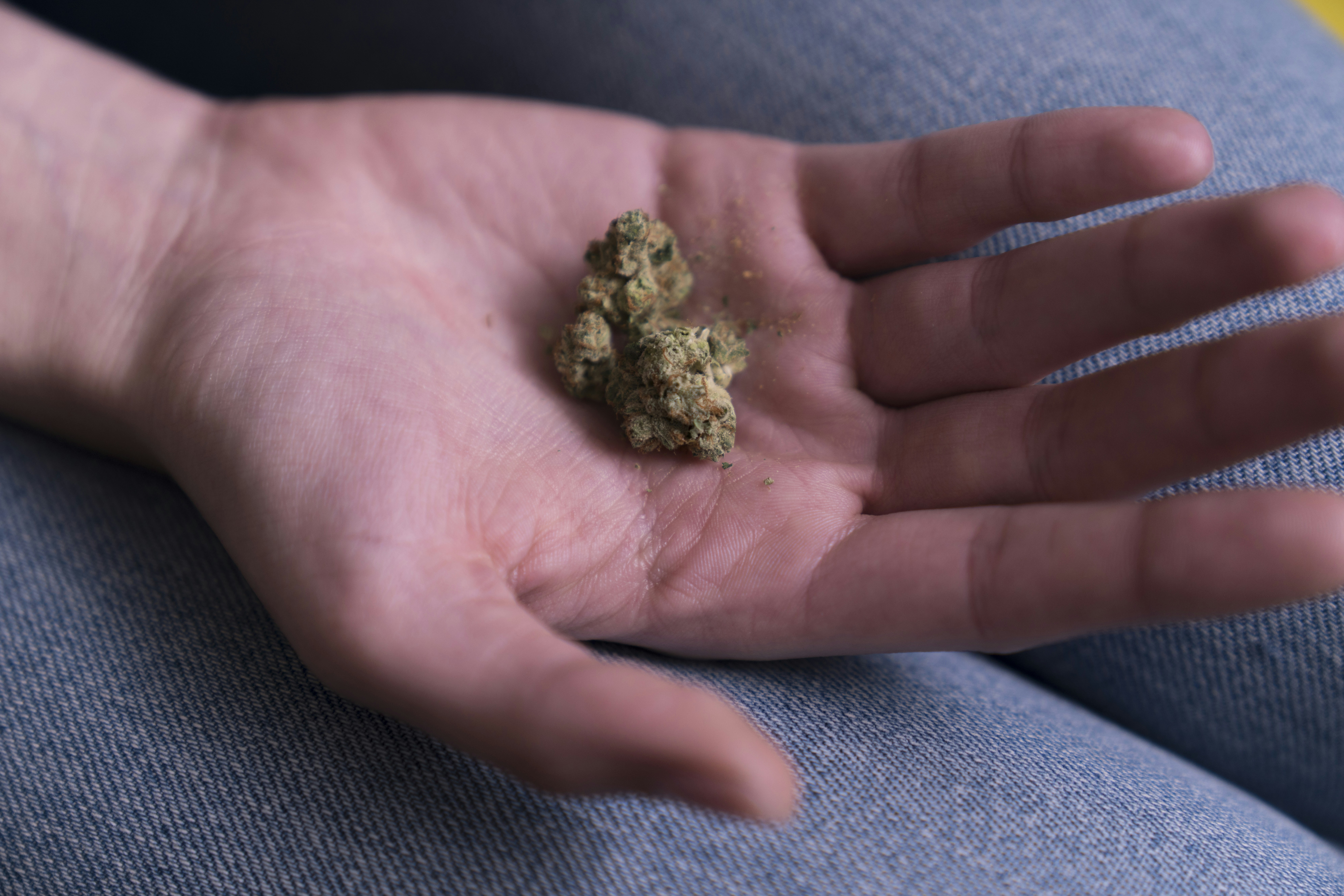
Cannabis tolerance is what happens when the same amount of THC no longer feels as noticeable as it used to. A serving that once felt strong may start to feel mild. Effects may fade faster. Some consumers respond by increasing potency, taking larger servings, or consuming more often, which can push tolerance even higher.
A tolerance reset is not about “detoxing” in a dramatic sense. It is about giving the body and brain time away from regular THC exposure so the endocannabinoid system can become more responsive again. For some people, that means a full tolerance break. For others, it means stepping down to lower-THC products, switching consumption methods, or building more sober days into the week.
The right approach depends on how often you consume, how much THC you typically use, why you consume cannabis, and whether stopping suddenly brings on uncomfortable symptoms. This guide explains what tolerance is, what a reset can realistically do, and how to take a more thoughtful break without turning it into an all-or-nothing challenge.
What cannabis tolerance means
THC works largely by interacting with CB1 receptors, which are part of the endocannabinoid system. CB1 receptors are found throughout the brain and nervous system and help influence mood, appetite, memory, pain perception, sleep, and reward. When THC repeatedly activates those receptors, the body may adapt by becoming less responsive to the same amount.
That adaptation is tolerance. In practical terms, tolerance can show up as needing more THC to reach the same level of euphoria, feeling shorter-lasting effects, or finding that familiar products no longer feel as effective. It can also show up more subtly: a consumer may still feel something, but the experience feels flatter, less distinct, or more routine.
Tolerance is not the same thing as cannabis use disorder. A person can develop tolerance without meeting criteria for a substance use disorder. Still, rising tolerance can be a useful signal. It may mean your routine has drifted toward higher potency, more frequent consumption, or less intentional use than you originally wanted.
Signs your THC tolerance may be rising
Tolerance is personal, but a few patterns are common. You may be building tolerance if:
- A product that used to feel effective now feels noticeably weaker.
- You need larger servings or higher-potency products to feel similar effects.
- Effects wear off faster than they used to.
- You consume out of habit more often than intention.
- Taking a day off feels unusually irritating, restless, or uncomfortable.
- You feel like cannabis is becoming less useful but harder to pause.
The last two signs matter because they may point beyond simple tolerance. Some regular consumers experience withdrawal symptoms when they stop or reduce cannabis, especially after heavy or daily THC use. Those symptoms can include irritability, anxiety, sleep disruption, appetite changes, cravings, low mood, or physical discomfort. They are usually temporary, but they can make a tolerance break harder than expected.
How long does a tolerance break take?
There is no universal tolerance-break schedule. The common “48 hours to 2 weeks” advice can be useful as a rough consumer rule, but it is too simple for everyone. A weekend break may help a light or occasional consumer notice stronger effects afterward. A daily or heavy THC consumer may need a longer pause to feel a meaningful reset.
Human imaging research has found that CB1 receptor availability can begin changing after short abstinence periods and may continue recovering over several weeks. One study of chronic daily cannabis smokers found that CB1 receptor density returned toward normal levels after about four weeks of monitored abstinence. That does not mean every person needs exactly 28 days. It does mean that heavier, long-term consumption usually deserves a more realistic timeline than a quick weekend reset.
A practical way to think about it:
| Current pattern | Reset approach to consider |
|---|---|
| Occasional THC consumption | 2–5 sober days may be enough to notice a difference |
| Several times per week | 1–2 weeks may provide a clearer reset |
| Daily or high-potency consumption | 2–4 weeks may be more realistic |
| Heavy daily consumption with withdrawal symptoms | Consider a gradual reduction plan or professional support |
These are not medical instructions or guaranteed timelines. They are editorial guideposts. Your experience may vary based on THC potency, product type, frequency, metabolism, sleep, stress, and whether you are using cannabis for wellness, symptom management, or adult-use purposes.
Full break, step-down, or lower-THC reset?
A full tolerance break means pausing THC completely for a set period. It is the cleanest way to see how your body responds without THC, and it may be the most effective option for people who want a clear reset. The challenge is that it can also bring sleep disruption, irritability, cravings, or appetite changes for some regular consumers.
A step-down reset is less abrupt. Instead of stopping all at once, you reduce THC exposure over time. That might mean choosing lower-potency flower, using smaller servings, skipping concentrates, avoiding back-to-back sessions, or setting certain days as THC-free. This approach may be more realistic for people who struggle with sudden changes or who use cannabis in an ongoing wellness routine.
A CBD-forward reset is another option, but it should be framed carefully. CBD does not “reset” THC tolerance by itself. What it can do is help some consumers reduce THC exposure by replacing THC-dominant products with CBD-dominant or balanced products. Since CBD is non-intoxicating, it does not produce the same euphoric effect as THC. For a tolerance reset, the main value is not that CBD magically repairs receptors; it is that CBD-forward choices can make it easier to take a break from frequent THC.
How to reset tolerance more intentionally
The best tolerance reset is specific enough to follow. “I should consume less” is vague. “I am taking 10 THC-free days, then returning with lower-potency products and smaller servings” is clearer.
Start by deciding what you want from the reset. Are you trying to spend less? Feel stronger effects from smaller servings? Improve sleep without relying on THC every night? Break a habit of automatic consumption? Your goal will shape the plan.
Next, choose your level of pause. For a short reset, take a few THC-free days and notice whether effects feel different afterward. For a deeper reset, aim for one to four weeks away from THC, depending on your pattern. For a step-down reset, lower potency and frequency before attempting full THC-free days.
When you return, avoid jumping back to the same routine that created the tolerance. A reset works best when followed by new habits. Consider keeping THC servings smaller, spacing out sessions, choosing lower-potency products, or saving high-potency formats for occasional use rather than making them the default.
What to expect during a tolerance break
A tolerance break can feel easy for some people and uncomfortable for others. If you consume lightly, you may simply feel a little bored, restless, or tempted by routine. If you consume heavily or daily, the first several days may be more noticeable.
Sleep is one of the most common friction points. Some people have trouble falling asleep, wake more often, or experience more vivid dreams. Appetite can shift. Mood may feel more irritable or flat. Cravings can also be strongest when you encounter the same cues tied to your usual cannabis routine, such as evening downtime, gaming, meals, social settings, or stress.
Plan around those moments instead of relying on willpower alone. Replace the ritual with something specific: a walk, shower, non-infused tea, stretching, a different wind-down routine, or a scheduled activity during the time you usually consume. If cannabis has been part of your sleep routine, give yourself a few nights to adjust rather than judging the break by the first uncomfortable evening.
If symptoms feel severe, if you are unable to cut back despite wanting to, or if cannabis is interfering with work, school, relationships, finances, or health, it may be worth speaking with a qualified health professional. Support is especially important if you use cannabis to manage a medical condition or mental health symptoms.
How to keep tolerance lower after a reset
Tolerance management is mostly about rhythm. The more often CB1 receptors are exposed to THC, especially in higher-potency formats, the more likely tolerance is to build. You do not have to avoid THC entirely to be intentional, but you do need some boundaries.
Helpful habits include using the lowest effective serving, avoiding automatic re-dosing, rotating in THC-free days, choosing lower-potency products when possible, and being careful with concentrates or other high-potency products. Edibles also deserve extra caution because effects can be delayed and long-lasting, which makes it easier to take more than intended.
It can also help to track your routine for a week. Write down when you consume, what product type you use, roughly how much THC is involved, and why you are using it. Patterns often become clearer on paper. You may notice that tolerance is not just about THC amount, but also about timing, stress, boredom, sleep habits, or repeated cues.
Key takeaways
Cannabis tolerance is a normal adaptation to repeated THC exposure, but it is still worth paying attention to. If you need more THC to feel the same effects, feel less benefit from familiar products, or find it hard to take breaks, your routine may need a reset.
A short tolerance break may help occasional consumers, while daily or high-potency consumers may need a longer pause or gradual step-down. CBD-forward products can support a lower-THC routine, but CBD itself should not be treated as a guaranteed tolerance fix.
The most useful reset is the one that changes what happens afterward. Take a break, return slowly, use smaller servings, and build in enough THC-free time that tolerance does not immediately climb back to where it started.
Frequently asked questions
Q: Can a 48-hour cannabis tolerance break work?
A: It may help some light or occasional consumers notice stronger effects afterward. For daily or heavy THC consumers, 48 hours may be a useful start, but a longer break is often more realistic for a meaningful reset.
Q: Do I have to stop all cannabis products during a tolerance break?
A: Not always. A THC tolerance break focuses on reducing or pausing THC. Some consumers use CBD-dominant products during a break, but CBD should not be treated as a guaranteed replacement or medical solution.
Q: Why do I feel irritable or restless when I stop THC?
A: Some regular consumers experience temporary withdrawal symptoms when reducing or stopping cannabis. Irritability, sleep disruption, appetite changes, anxiety, and cravings are commonly reported.
Q: Will my tolerance reset permanently?
A: No. Tolerance can build again if you return to frequent or high-potency THC consumption. A reset works best when paired with lower servings, less frequent use, or more THC-free days.
Q: Should medical cannabis patients take tolerance breaks?
A: Medical cannabis patients should be cautious about changing a routine that is connected to symptom management. Talk with a qualified clinician before stopping or reducing cannabis used for a medical reason.
Sources
- Hirvonen et al., “Reversible and regionally selective downregulation of brain cannabinoid CB1 receptors in chronic daily cannabis smokers”
- D’Souza et al., “Rapid changes in CB1 receptor availability in cannabis dependent males after abstinence from cannabis”
- National Academies, “The Health Effects of Cannabis and Cannabinoids”
- National Institute on Drug Abuse, “Cannabis”