Appearance
Neurogenesis and Cannabis Research
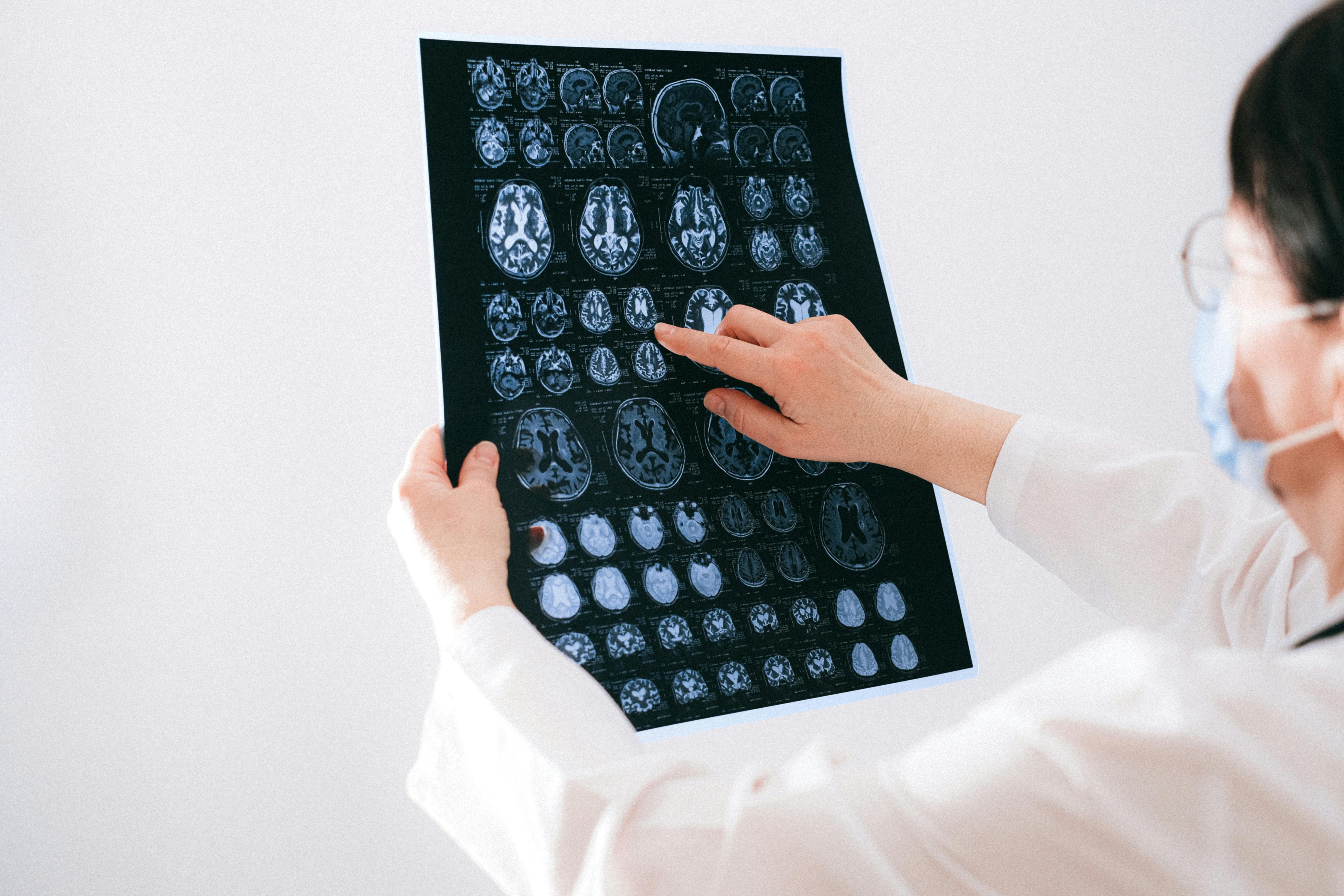
The idea that cannabis simply “kills brain cells” is too blunt for what researchers now understand about the brain. Cannabis does affect memory, attention, mood, and learning in ways that can be helpful, neutral, or risky depending on the person, product, dose, age, frequency of consumption, and health history. But the relationship between cannabinoids and brain cell growth is more complicated than the old warning suggests.
Neurogenesis means the formation of new neurons. In adults, this process is most often discussed in relation to the hippocampus, a brain region involved in learning, memory, emotion, and stress response. Researchers are especially interested in whether the endocannabinoid system, THC, CBD, and related compounds can influence that process.
The short answer: cannabinoids appear to interact with neurogenesis pathways, but cannabis should not be framed as a proven way to grow brain cells, prevent dementia, or reverse neurodegenerative disease. Most of the clearest findings come from animal studies, cell studies, or early-stage research. For readers, the useful takeaway is not “cannabis grows brain cells,” but “the endocannabinoid system is involved in brain plasticity, and cannabinoids may influence that system in complex ways.”
What neurogenesis actually means
Neurogenesis is one part of brain plasticity, which is the brain’s ability to adapt, reorganize, and respond to experience. It does not mean the brain is constantly replacing itself, and it does not mean a supplement, strain, or cannabinoid can rebuild damaged tissue on demand.
Adult neurogenesis is usually discussed in a few specific brain regions, especially the dentate gyrus of the hippocampus. This area matters because the hippocampus helps process memory and emotional context. That is also why cannabis research in this area can sound so exciting: if cannabinoids affect hippocampal neurogenesis, they could theoretically influence memory, mood, stress resilience, or age-related cognitive changes.
But “theoretically” is doing important work here. A change in a lab marker of neurogenesis does not automatically translate into better memory or better brain health in humans. A result in mice does not automatically mean the same thing happens in adults consuming dispensary products. Neurogenesis is only one piece of a much larger system.
How the endocannabinoid system fits in
The endocannabinoid system helps regulate communication between neurons. It includes cannabinoid receptors, naturally produced endocannabinoids, and enzymes that build and break down those compounds. CB1 receptors are especially abundant in the brain, which is one reason THC can strongly affect mood, perception, memory, and coordination.
The body’s own endocannabinoids are involved in brain development, synaptic plasticity, stress response, and learning-related signaling. That does not mean more cannabinoid activity is always better. The system works more like a balancing network than a simple on/off switch.
This matters because THC and CBD interact with the endocannabinoid system in different ways. THC directly activates CB1 receptors and is responsible for the main intoxicating effects of cannabis. CBD does not create the same intoxicating effect on its own and interacts with several receptor systems more indirectly. Because these compounds act differently, it is not accurate to talk about “cannabis” as if every product has the same effect on the brain.
THC and neurogenesis: why dose and context matter
Some preclinical research suggests certain cannabinoids, including synthetic cannabinoids and low-dose THC models, may support markers related to hippocampal neurogenesis under specific conditions. That is the part of the science that often gets simplified into headlines about cannabis “growing brain cells.”
The problem is that THC also has well-known short-term effects on memory, attention, and learning. For some people, especially with frequent consumption or higher-potency products, THC can make it harder to form or retrieve memories while intoxicated. Adolescents and young adults may be more vulnerable because the brain is still developing into the mid-20s.
That creates a key distinction: a cannabinoid may influence neurogenesis markers in a controlled study, while real-world THC consumption may still impair memory or cognition in certain situations. Those two ideas are not contradictory. Brain effects depend on timing, dose, frequency, age, tolerance, cannabinoid ratio, route of consumption, and the reason someone is consuming cannabis.
For adults, this means low-dose THC research should not be read as permission to use high-potency products for “brain growth.” The evidence is not that simple, and more THC does not mean more neurogenesis.
CBD and brain health: promising, but not proven as a cure
CBD is often discussed as neuroprotective because it has anti-inflammatory, antioxidant, and seizure-related research behind it. Prescription CBD is approved in the United States for certain rare seizure disorders, but that does not mean over-the-counter CBD products are proven to treat Alzheimer’s, Parkinson’s, depression, brain injury, or cognitive decline.
In neurogenesis research, CBD has shown interesting effects in animal and cell models, including possible influence on hippocampal plasticity and inflammation-related pathways. This makes CBD a legitimate research target for brain health. It does not make CBD a proven brain-regeneration treatment.
There are also practical safety limits. CBD can cause side effects, may interact with medications, and can affect liver enzymes. Product quality varies, especially in unregulated or loosely regulated markets. A label that says “CBD” does not guarantee accurate potency, contaminant testing, or absence of THC.
For readers curious about CBD and brain health, the most responsible framing is this: CBD is being studied for several neurological and inflammatory pathways, but people should not use it as a replacement for medical care or assume consumer CBD products can prevent neurodegenerative disease.
Could cannabis help with Alzheimer’s or Parkinson’s?
Cannabinoids are being studied in relation to neurodegenerative conditions, including Alzheimer’s disease and Parkinson’s disease. Researchers are interested in inflammation, oxidative stress, sleep, appetite, agitation, pain, and neuroplasticity. Those are meaningful areas of study, especially for conditions where quality of life can be difficult to manage.
Still, the original claim that cannabis “may help with Alzheimer’s, Parkinson’s, and cognitive function” needs careful wording. Cannabis products are not proven to prevent Alzheimer’s or Parkinson’s. They are not cures. Evidence varies by condition, compound, symptom, and study type.
A more accurate way to say it is: cannabinoids are being studied for brain-related conditions, and some early evidence suggests they may affect pathways connected to inflammation, neuroprotection, and neuroplasticity. Whether that leads to reliable clinical benefits in humans remains an open question.
Anyone with a neurodegenerative condition should involve a clinician before using THC, CBD, or other cannabinoid products. This is especially important for older adults, people taking multiple medications, and people at risk of falls, confusion, anxiety, or drug interactions.
The biggest risks to keep in view
The most important risk in this topic is overinterpretation. Neurogenesis is a real research area, but it is easy to turn early findings into claims that cannabis cannot yet support.
THC can impair short-term memory and attention while its effects are active. Higher-potency products may increase the chance of anxiety, confusion, or uncomfortable intoxication in some people. Frequent heavy consumption may carry different cognitive risks than occasional low-dose consumption. Age also matters, with adolescent exposure raising special concerns because the brain is still developing.
CBD carries a different risk profile, but it is not risk-free. It can cause side effects and interact with medications. Some hemp-derived products may be mislabeled or may contain unexpected cannabinoids, including THC. That matters for people who are sensitive to THC, subject to drug testing, or trying to avoid intoxication.
The safest editorial takeaway is not fear and not hype. Cannabis is biologically active. That is why it may have therapeutic potential, and it is also why it deserves caution.
What this means for cannabis consumers
For most readers, the practical question is not whether cannabis can “grow brain cells.” It is how to think clearly about brain-health claims when shopping, reading headlines, or deciding whether to talk with a clinician.
Be skeptical of products marketed as brain-regenerating, dementia-preventing, or neuron-growing. Those claims are stronger than the evidence supports. Be especially cautious with high-THC products if memory, anxiety, balance, or cognitive clarity are concerns. If using CBD, look for products with a current certificate of analysis from a reputable lab, and remember that CBD can still interact with medications.
Lifestyle factors with stronger evidence for brain health, such as sleep, exercise, stress management, social connection, and management of cardiovascular risk factors, should not be replaced by cannabinoid products. Cannabis may fit into some adult wellness or medical routines, but it should not carry the whole burden of “brain health.”
Key takeaways
Cannabis and neurogenesis is a real research topic, but it is still early. The endocannabinoid system appears to play a role in brain plasticity, and cannabinoids can influence pathways connected to neuron growth, inflammation, stress, and memory.
CBD may affect neuroprotective and plasticity-related pathways in early research, but it is not proven to regenerate brain cells or prevent neurodegenerative disease. THC has mixed effects: some low-dose preclinical research is interesting, while real-world THC consumption can also impair memory and attention, especially at higher doses or with frequent consumption.
The most accurate conclusion is balanced: cannabinoids may influence neurogenesis, but cannabis is not a proven shortcut to brain repair.
Frequently asked questions
Q: Does cannabis help grow new brain cells?
A: Some early research suggests cannabinoids can influence neurogenesis-related pathways, especially in the hippocampus. Most of this evidence is preclinical, so cannabis should not be described as a proven way to grow new brain cells in humans.
Q: Is THC good or bad for neurogenesis?
A: It depends on the model, dose, timing, and person. Some low-dose THC research is promising, but THC can also impair memory and attention while active. Higher-potency or frequent THC consumption may carry more cognitive risk for some people.
Q: Does CBD regenerate brain cells?
A: CBD is being studied for neuroprotective and inflammation-related effects, but it is not proven to regenerate brain cells in humans. It can also cause side effects and interact with medications.
Q: Can cannabis prevent Alzheimer’s disease?
A: No. Cannabinoids are being studied in relation to neurodegenerative disease, but cannabis is not proven to prevent or cure Alzheimer’s disease.
Q: Should older adults use cannabis for brain health?
A: Older adults should be cautious and talk with a clinician, especially if they take medications or are at risk of dizziness, confusion, falls, or drug interactions.
Sources
- Prenderville et al., “The role of cannabinoids in adult neurogenesis”
- Valeri et al., “Cannabinoids and Neurogenesis: The Promised Solution for Neurodegeneration?”
- Lu and Mackie, “Review of the Endocannabinoid System”
- NCCIH, “Cannabis (Marijuana) and Cannabinoids: What You Need To Know”
- CDC, “About CBD”
- FDA, “What You Need to Know About Products Containing Cannabis or Cannabis-Derived Compounds, Including CBD”
Further Reading
- Cannabis and Brain Aging: Can It Help Prevent Cognitive Decline?
- Cannabis and Memory: Does THC Help or Hurt Cognitive Function?
- The Potential of Cannabis in Treating Neurodegenerative Diseases
- How THC and CBD Interact with the Endocannabinoid System